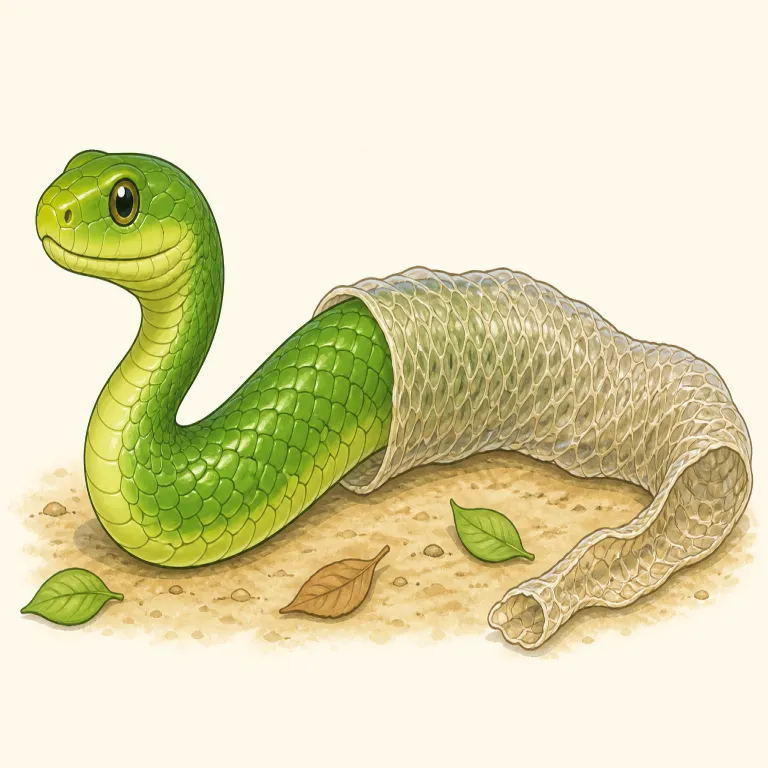
脱皮する
解説 Definition
molt は鳥、昆虫、爬虫類、甲殻類などが、古くなった羽毛、皮膚、殻などを脱ぎ捨てて新しいものに替えることを表す動詞。成長や季節の変化に伴って起こる自然な過程で、生き物の外見や機能を保つ文脈で使われる。
To molt means to lose old feathers, hair, skin, or an outer shell so that new growth can replace it. This word is mainly used for birds, insects, reptiles, and other animals. It refers to a natural process, not an injury or damage.
覚え方のコツ Memory Tip
molt は「何かが落ちる」より、「生き物が古い外側を捨てて新しく替える」と一まとまりで覚えると定着しやすい。鳥なら feathers、ヘビなら skin、カニなら shell が典型。似た shed は髪・葉・涙にも使える広い語だが、molt は換羽・脱皮のような生物の自然な入れ替わりにかなり特化する。birds molt, insects molt, during molting season のような場面ごと覚えると使い分けしやすい。
Remember `molt` as a biology word, not just a general word for something falling off. Birds molt feathers, snakes molt skin, and insects molt as part of growth. Linking it with these animals is much easier than trying to memorize it alone.
例文
Birds typically molt their feathers once or twice a year.
鳥は通常、年に一、二回換羽する。
The snake began to molt, leaving behind a translucent skin on the forest floor.
そのヘビは脱皮を始め、森の地面に半透明の抜け殻を残した。
Young crabs molt several times as they grow.
若いカニは成長するにつれて何度も脱皮する。
molt の類義語・関連語
類義語
派生語
molt の語源・成り立ち Etymology
molt は古英語系 mutian「変える」を経て、ラテン語 mutare「変える」にさかのぼります。羽や皮がただ落ちるのでなく、古いものを新しいものへ替える感覚が核なので、「脱皮」の意味が腑に落ちます。mutable や mutation も同根です。
Molt goes back through Germanic forms to Latin mutare, meaning "to change." The central idea was not just losing feathers, hair, or skin, but replacing the old with the new. That sense of change explains how the word came to mean shedding as part of renewal. Mutable and mutation share the same Latin root.
同じレベルの語彙をもっと
外部辞書で調べる
この英単語をクイズで覚えよう