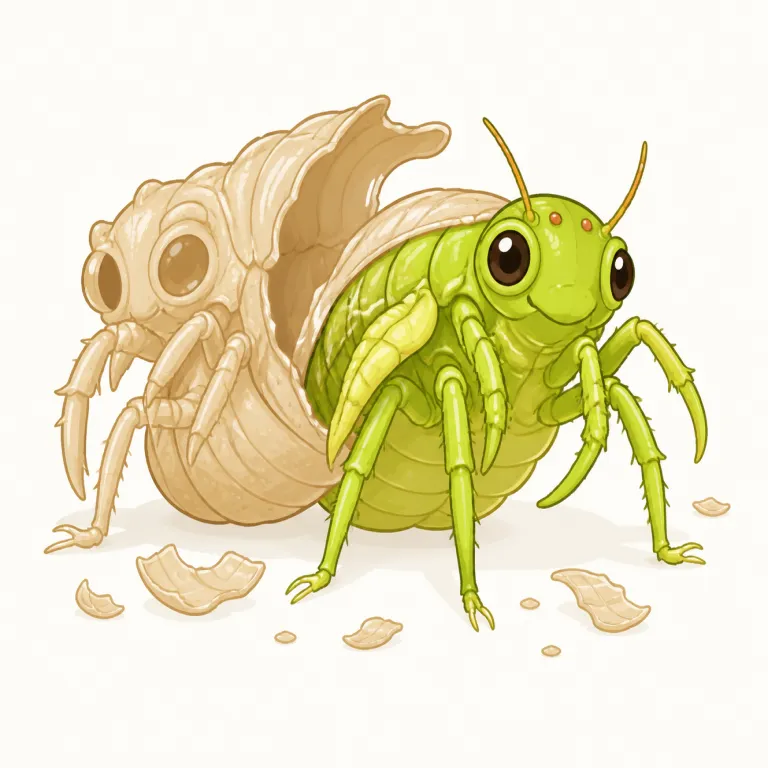
脱皮
解説 Definition
動物が古い皮膚や外骨格を脱ぎ捨てることです。爬虫類、昆虫、鳥、甲殻類など様々な生物が成長に伴って行う自然なプロセスを指します。
Molting is the process in which an animal naturally sheds feathers, hair, skin, or an outer shell and grows a new one. It is common in birds, insects, reptiles, and some other animals. The term is mainly used in biology and animal care.
覚え方のコツ Memory Tip
まずは動詞 molt を核にして、「molt + -ing で“脱ぎ替わっていること/脱皮の過程”」と押さえると覚えやすいです。意味は change に近い方向で、古いものを落として新しくなる場面を思い浮かべると定着します。特に鳥なら feathers、ヘビなら skin、昆虫なら shell のように、“体の一部を替える”文脈で出やすい語です。単なる fall off ではなく、成長に伴う自然な入れ替わりを表す点が重要。shedding と近いですが、molting は動物の成長や季節的な抜け替わりに寄りやすい語、と区別すると混同しにくいです。
Start with the verb `molt`, which is used for animals changing skin, shell, or outer covering. `Molting` is the process itself, so the `-ing` helps you picture it happening. Think of a snake, crab, or insect growing by shedding its old outer layer.
例文
Molting allows a snake to shed its old skin as it grows.
脱皮によって、ヘビは成長に伴い古い皮を脱ぐことができる。
During molting season, birds shed their old feathers and grow new ones.
換羽期には、鳥は古い羽が抜けて新しい羽に生え替わる。
During molting, a crab sheds its old shell as it grows.
脱皮の際、カニは成長に伴って古い殻を脱ぎ捨てる。
molting の類義語・関連語
類義語
派生語
molting の語源・成り立ち Etymology
molting は molt「脱皮する・羽が抜け替わる」に -ing が付いた語で、molt は古英語系の形を経てラテン語 mutare「変える」と結びつきます。mutation や mutable と同根で、「変わる」が中心イメージだから、古い皮膚や羽を替えて新しくなる「脱皮」の意味がそのまま見えてきます。
Molting is from molt plus -ing. Molt is linked through older English and French forms to Latin mutare, meaning "to change." The central idea is change or replacement, which fits the shedding of old feathers, hair, or skin so new growth can appear. Related words from the same root include mutable and mutation.
同じレベルの語彙をもっと
外部辞書で調べる
この英単語をクイズで覚えよう