クモの巣状の、クモの巣に覆われた
adjective 形容詞物の形や細い線の広がり方が、クモの巣のように入り組んでいる様子を表す。また、場所や物の表面に実際にクモの巣が掛かっている状態にも使われ、水かきのある体の構造とは区別される。
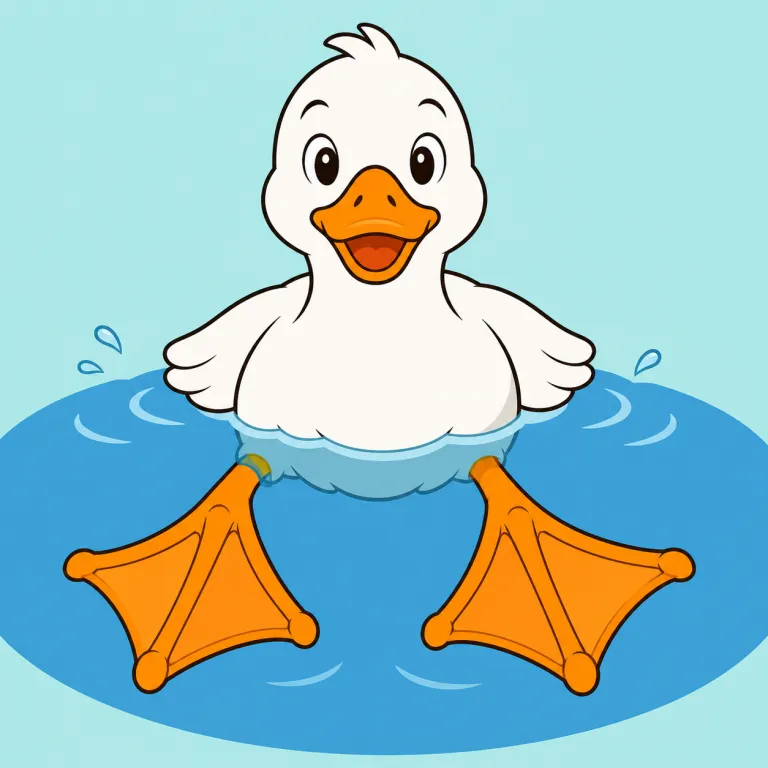
主に鳥やカエルなどの足や指が、指の間をつなぐ膜を持っている様子を表す形容詞。水中で効率よく進んだり泳いだりできる体のつくりを説明するときに使われ、生物の特徴描写でよく見られる語である。
Webby means having a thin web-like connection between parts, especially between the fingers or toes. It is often used when talking about animals such as ducks or frogs, and sometimes people. The word can also describe something that looks like a web in shape or texture.
web を知っていれば覚えやすい語。ここでの web は internet の「ウェブ」より、もともとの「網・膜」の感覚でとらえるとよい。webby は「網っぽい」「膜でつながった感じ」なので、鳥やカエルの足指の間に薄い膜が張っている姿を思い浮かべると定着しやすい。近い形の webbed もよく見かけるので、webby は性質描写、webbed は形の説明として並べて覚えると混同しにくい。water や swim と結びつけ、「水中で進みやすい足」と場面ごと記憶すると強い。
Think of `web` in the older sense of a thin net or membrane, not the internet. `Webby` suggests something with a net-like connection between parts, like a duck's feet. It helps to remember it next to `webbed`, which is a more common form.
The duck's webby feet help it paddle efficiently through the water.
アヒルの水かきのある足は、水の中を効率よく進むのに役立つ。
The frog's webby toes make it an excellent swimmer.
カエルは足先に水かきがあるため、とても上手に泳げる。
The seal's webby hind feet help it steer underwater.
アザラシの水かきのある後ろ足は、水中で方向を変えるのに役立つ。
文脈によって、次の意味でも使われます。
物の形や細い線の広がり方が、クモの巣のように入り組んでいる様子を表す。また、場所や物の表面に実際にクモの巣が掛かっている状態にも使われ、水かきのある体の構造とは区別される。
webby は web「網・織り目」+ -y「…の性質をもつ」で、web は古英語 webb「織物・網」に由来します。webbed や webbing も同根で、足の指のあいだが網のようにつながる見た目から「水かき状」が生まれ、現代ではウェブっぽいの意味にも広がります。
`webby` is built from `web` and the adjective ending `-y`, meaning "having the quality of." `Web` comes from Old English `webb`, which first meant woven fabric and then a net or mesh. From the idea of something looking like a web, the word developed senses such as "web-like" or "joined by a membrane," as in `webbed` feet.
この英単語をクイズで覚えよう