
merit
merit はTOEIC 730レベルの英単語で、「価値、メリット、功績、値する」という意味があります。発音記号は /ˈmɛrɪt/ です。
意味一覧 (3件)
価値
/ verb 動詞 値する
解説 Definition
merit が「価値」を表すときは、人や物事が高く評価されるだけの良さや中身のある点を指します。議論、提案、作品、考えなどに対して、その内容がどれだけ評価に値するかを述べるときに使われます。
The worth or good quality that makes someone or something deserve a favorable judgment. It is often used when assessing the substance of an argument, proposal, idea, or work of art.
覚え方のコツ Memory Tip
merit はまず demerit と対で覚えると定着しやすい語です。de- が付くと「減点・欠点」寄りになるので、merit 単体は「評価できる点・利点」。日本語の「メリット」にかなり近いですが、英語では単なるお得感より、比較して価値がある点・判断材料としての長所を指すことが多いです。have merit「一理ある」、judge A on its merits「Aを長所・実質で判断する」、merits and demerits「長所と短所」の形で場面ごと覚えると使い分けしやすくなります。
Pair merit with demerit to remember the contrast between something worthy of approval and a fault. Have merit means to have something valuable to offer, while judge something on its merits directs attention to its actual qualities.
例文
This book has merit.
この本には価値があります。
His idea has merit.
彼の考えには価値があります。
This work has merit.
この作品には価値があります。
メリット
(意味 2)
解説 Definition
メリットは人や物事に備わる有利な特徴や利点を指します。比較の場面では、欠点より優れている点を挙げて評価する際に使います。判断する際には、メリットとデメリットを天秤にかけて総合的に検討します。
A merit is a good quality or advantage of something. It is often used when comparing choices, ideas, or systems. The word is slightly formal and is common in discussions of benefits and value.
例文
The plan's main merit is its low cost.
この計画の主なメリットは費用が安いことです。
The bag's main merit is its light weight.
軽いことがそのバッグの一番のメリットです。
Low cost is a merit of small houses.
費用の安さは小さい家のメリットです。
功績
(意味 3)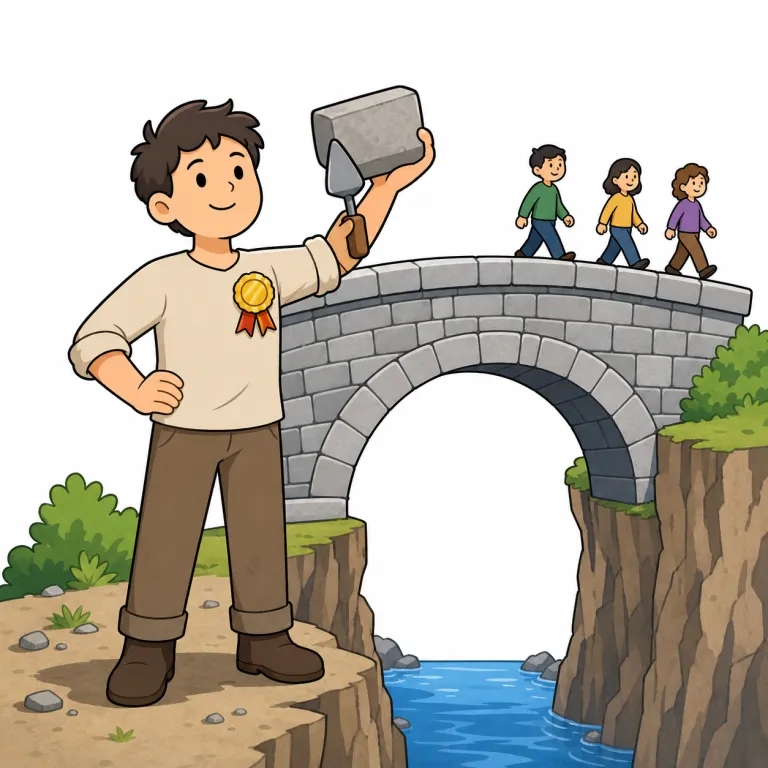
解説 Definition
merit が「功績」を表すときは、努力や行為の結果として認められる立派な働きや手柄を指します。表彰、評価、人事、歴史上の人物の業績を述べる文脈でよく使われます。
Praiseworthy deeds or service that deserve recognition because of what someone has accomplished. This sense is used when discussing awards, professional recognition, or a person's achievements.
覚え方のコツ Memory Tip
merit は「受けるに値するだけの働き」と考えると、功績の意味がつかみやすいです。日本語の「メリット」のような利点だけでなく、人が積み重ねた行為や成果が評価される場面で使います。in recognition of her merits は「彼女の長所」より「彼女の功績を認めて」と読むのが自然。demerit との対比で長所に寄せすぎず、award, recognition, leader など評価・表彰の文脈と結びつけると使い分けしやすくなります。
Connect merit with work that deserves recognition, and picture someone receiving an award for years of service. The phrase in recognition of her merits helps you remember the sense of praiseworthy deeds.
例文
Her merits won her a prize.
彼女はその功績で賞をもらった。
The king rewarded him for his merits.
王は彼の功績に報いた。
His merits should not be forgotten.
彼の功績は忘れられるべきではない。
merit の類義語・関連語
類義語
対義語
紛らわしい語
merit の語源・成り立ち Etymology
merit はラテン語 meritum「報酬・価値」、さらに merere「受けるに値する・獲得する」に由来します。『努力して得る価値』が核なので、長所や功績を表す意味に納得できます。関連語は meritorious, emeritus です。
It comes from Latin meritum, meaning reward or worth, and ultimately merere, meaning to deserve or earn. The idea of deserving recognition connects with the sense of value.
同じレベルの語彙をもっと
TOEIC 730の一覧へ →外部辞書で調べる
この英単語をクイズで覚えよう