心を傷つけられた
adjective 形容詞批判や侮辱などで感情や自尊心が傷つけられた状態を比喩的に表します。wounded pride「傷ついた自尊心」のように使い、身体の外傷ではなく、心が痛んだり面目を損ねたりしたことを示します。
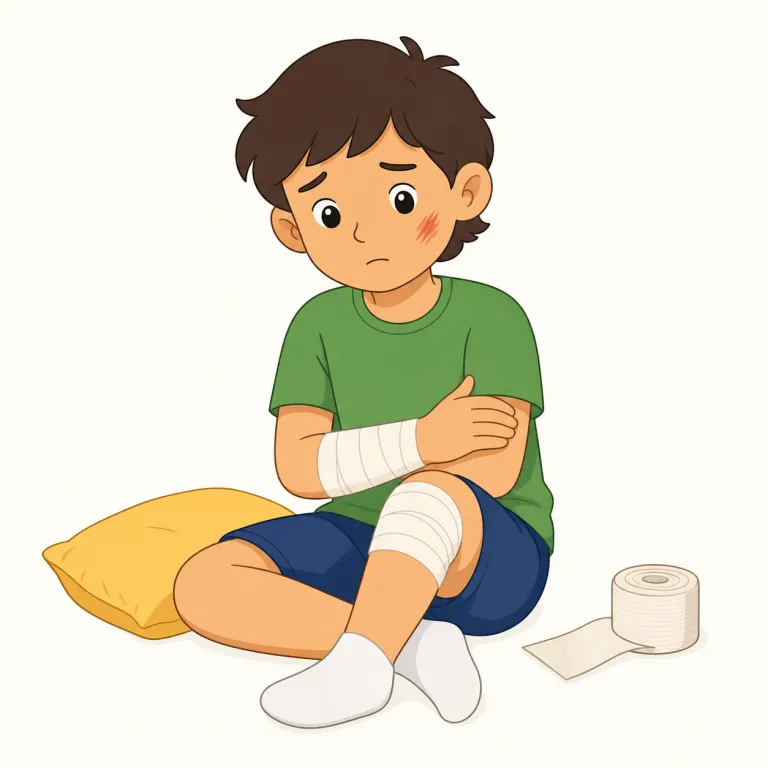
負傷したとは、事故や攻撃などによって体が傷つけられた状態を表します。怪我を受けた、けがをしているという意味です。
Wounded means physically injured, especially by violence, fighting, or an accident. It is commonly used for people or animals who have been hurt but are still alive.
土台は wound(傷・傷つける)。-ed が付いて「傷を受けた状態」と見れば、wounded は過去分詞由来の形容詞として整理しやすい。hurt が痛い・つらいまで広く言えるのに対し、wounded は実際に傷を負った感じが強く、戦闘・銃撃・事故の記事でよく出る。injured と近いが、wounded のほうが切り傷や銃創など“傷そのもの”が浮かびやすい。a wounded soldier, wounded civilians, the wounded(負傷者たち)をまとめて覚えると定着しやすい。
Build it from wound plus -ed: wounded means "in a state of having a wound." It is common in news about war, shootings, and accidents, as in wounded soldier or wounded civilians. Compared with hurt, it makes you picture an actual physical wound more strongly.
The wounded boy needs help.
負傷した少年は助けが必要です。
A wounded dog lies there.
負傷した犬がそこに横たわっています。
The wounded man sits down.
負傷した男性が座ります。
文脈によって、次の意味でも使われます。
批判や侮辱などで感情や自尊心が傷つけられた状態を比喩的に表します。wounded pride「傷ついた自尊心」のように使い、身体の外傷ではなく、心が痛んだり面目を損ねたりしたことを示します。
古英語 wundian(傷つける)の過去分詞形。ゲルマン祖語 *wundō(傷)に遡る。関連語:wound(傷、名詞)。日本語の「きず」と同様、古くから身体的損傷を表す基本語で、比喩的に心の傷にも使われる。
Wounded is the past participle of wound, a very old English word from Old English wundian and earlier Germanic roots meaning "injure" or "hurt." It originally referred to physical injury to the body. Later, English also used it in a figurative way for emotional hurt. It is directly related to the noun wound.
この英単語をクイズで覚えよう