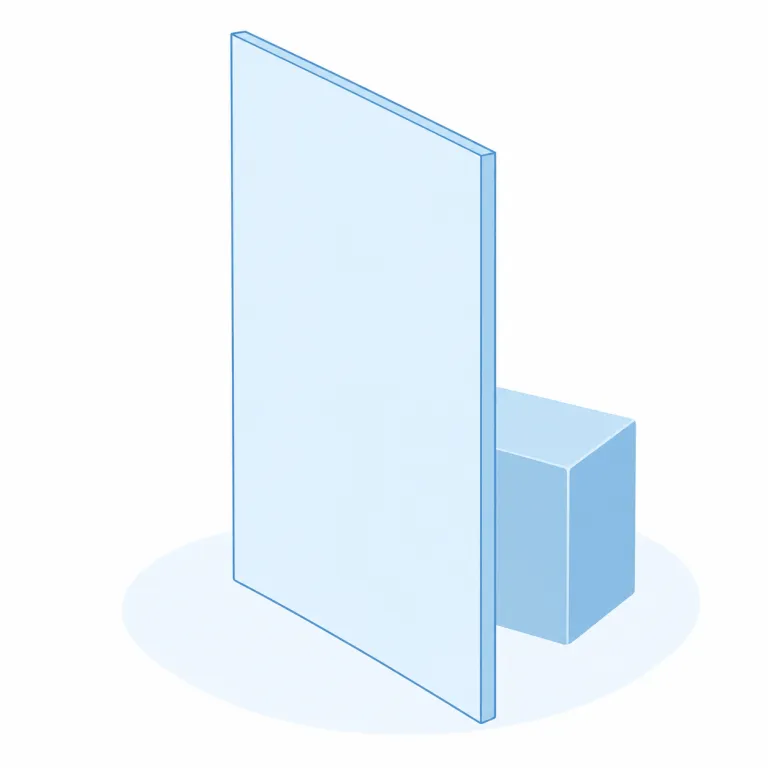
thin
thin は英検2級レベルの英単語で、「薄い、細い、やせた、乏しい」という意味があります。発音記号は /ˈθɪn/ です。
薄い、細い、やせた、乏しい
解説 Definition
thin は、物の厚みや幅が小さいこと、人がやせていること、液体や空気などの密度が低いことを表す形容詞です。文脈によっては、紙や布の薄さ、体つきの細さ、人口や内容の希薄さを指し、証拠や議論が弱く説得力に欠けるという抽象的な意味でも使われます。
Thin describes something that has very little distance between its two sides, or a person or object that is narrow or not thick. It can also mean there is only a small amount of something, such as thin hair or thin evidence. The word is used in both physical and abstract situations.
覚え方のコツ Memory Tip
thin はまず thick の反対として固定すると覚えやすいです。紙・布なら「薄い」、体型なら「細い/やせた」、スープや空気・髪なら「密度が薄い」と、全部「中身がぎゅっと詰まっていない」感覚でつながります。slim は前向きにほっそり、skinny はやせすぎ気味なので thin はより中立。thin paper, thin line, thin soup, thin hair, evidence is thin のように、厚み・幅・密度・説得力まで広く使える語です。
Anchor this word to its opposite, `thick`. Then notice how the same image works in many cases: `thin paper`, `thin soup`, `thin hair`, even `thin evidence`. The core idea is that there is not much there in width, thickness, density, or strength.
例文
This paper is thin.
この紙は薄いです。
The book has thin pages.
その本のページは薄いです。
My shirt is thin.
私のシャツは薄いです。
thin の類義語・関連語
類義語
対義語
紛らわしい語
thin を含む表現
句動詞・イディオムなど 4 件。クリックで各表現の詳細へ。
thin の語源・成り立ち Etymology
古英語 þynne、ゲルマン祖語 *þunnuz に由来し、ラテン語 tenuis(薄い・細い)と同じ印欧語根 *ten-(引き伸ばす)を共有する。関連語: tender(柔らかい)、tendon(腱)。引き伸ばすと薄くなるイメージ。
Thin comes from Old English thynne and an older Germanic form with the same meaning. It is related to a wider Indo-European root linked with stretching or making something fine and narrow. The image is that when something is stretched out, it becomes thinner; Latin tenuis is from the same root family.
同じレベルの語彙をもっと
英検2級の一覧へ →外部辞書で調べる
この英単語をクイズで覚えよう