
fine
fine は英検6級レベルの英単語で、「元気な、すばらしい、細かい」という意味があります。発音記号は /ˈfaɪn/ です。
意味一覧 (2件)
元気な、すばらしい
解説 Definition
体や気分の調子がよく、問題なく元気である様子を表します。また、人や物、できごとなどがとてもよく、すばらしいと感じられるときにも使います。
Fine means healthy, well, or in good condition. It can also mean very good or excellent.
覚え方のコツ Memory Tip
fine は、心身や物事を点検して「問題なし、よい仕上がり」と判断する場面で覚えると使いやすい語です。How are you? に I'm fine. と答えれば「元気です」、I feel fine. なら「体調はよい」です。また a fine idea のように、人や物を「すばらしい、立派な」と評価できます。good と近い基本語ですが、調子を尋ねられて安心させる返事や、十分によいと認める場面に結び付けると二つの用法がまとまります。
Think of something with no problem and a good finish. A person is fine when they feel well, and a job is fine when it is excellent.
例文
I feel fine after a good sleep.
よく寝たので元気です。
This bag is fine.
このかばんは十分よいです。
Your idea is fine.
あなたの考えはよいです。
細かい
(意味 2)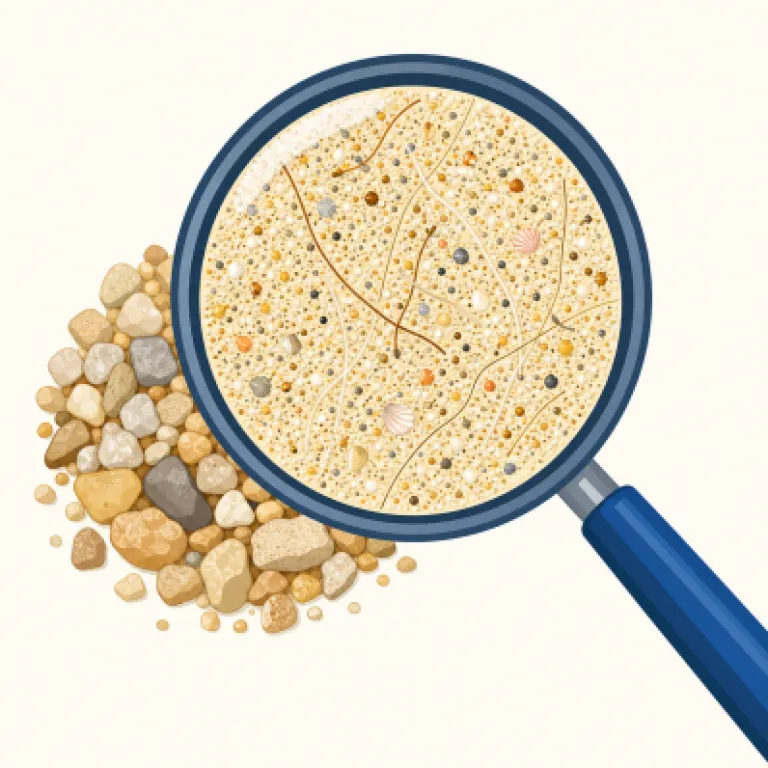
解説 Definition
形容詞 fine がこの意味で使われるときは、粒や繊維、文字などが非常に小さく、きめが細かい状態を表す。砂や髪の細さ、細字、精密で繊細な質感や作業のこまやかさを述べるときに使われ、目立たないほど微細であるという含みを持つこともある。
Fine means very small, thin, or made of tiny parts. It is often used for things like sand, powder, hair, or detail, and it can also suggest something careful and exact.
覚え方のコツ Memory Tip
fine は「よい」で覚えていると広すぎるので、この意味では「粗くない=とても細かい」と場面ごと覚えるのが有効です。fine sand, fine hair, fine lines, fine print のように、砂・髪・線・文字など、一本一本や粒が小さく均一なものによく付きます。thin は厚みが薄い、small は全体の大きさが小さい、fine は粒・線・作業のきめが細かい、と切り分けると混乱しにくくなります。
Remember this `fine` with things made of very small parts: `fine sand`, `fine hair`, `fine print`, `fine lines`. The key idea is not overall size, but tiny detail and smooth texture. That helps separate it from `small` or `thin`. It is the opposite of `coarse`.
例文
The beach has fine white sand that feels soft underfoot.
そのビーチには白くてきめ細かい砂があり、足ざわりが柔らかい。
Please read the fine print before signing the contract.
契約書に署名する前に、細かい文字で書かれた条項をよく読んでください。
She has very fine hair that is difficult to style.
彼女の髪はとても細く、整えるのが難しい。
fine の類義語・関連語
fine を含む表現
句動詞・イディオムなど 4 件。クリックで各表現の詳細へ。
fine の語源・成り立ち Etymology
古いフランス語の fin に由来し、「終わった、完成した」という意味がありました。そこから「よく仕上がった、質がよい」という意味になり、今の「すばらしい」や「調子がよい」という意味につながりました。
Fine comes from Old French fin, meaning finished or complete. The idea developed into well-made, high-quality, and then well or excellent.
同じレベルの語彙をもっと
英検6級の一覧へ →外部辞書で調べる
この英単語をクイズで覚えよう