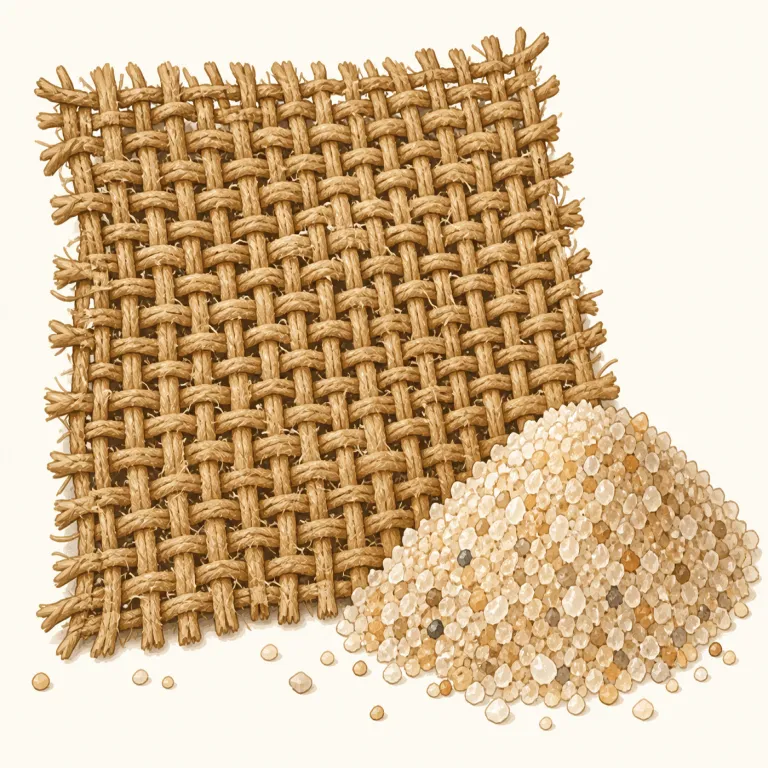
coarse
coarse は英検準1級・TOEIC 860・TOEFL 80・IELTS 6.5レベルの英単語で、「粗い、下品な」という意味があります。発音記号は /kɔːrs/ です。
意味一覧 (2件)
粗い
解説 Definition
この語は表面が滑らかでなく、ざらざらした感じを表す形容詞です。粒が大きく粗い砂や岩などを描写するときによく使われます。また、物の質が悪かったり、言葉や態度が下品で洗練されていないときにも用いられます。
Coarse means rough, not smooth, or made of large pieces. It can describe materials like cloth, sand, or hair. It can also describe language or behavior that is rude or not polite.
覚え方のコツ Memory Tip
coarse は「ざらざら・粗雑・下品」まで一まとまりで覚えると広がりがつかみやすい語です。まずは smooth / fine の反対として入れるとよく、coarse sand, coarse cloth, coarse salt のように「粒や手触りが粗い」場面が基本。そこから比喩的に coarse language / coarse joke で「言葉づかいが下品」へ広がります。つづりは course と混同しやすいので、coarse は質感、course は進路・講座、と使用場面で切り分けると定着しやすいです。
Connect `coarse` with rough things like coarse sand, coarse cloth, and coarse salt. It is the opposite of `fine` or `smooth`, so the texture idea helps first. Be careful not to mix it with `course`: `coarse` is about rough quality, while `course` is about classes, roads, or direction.
例文
The coarse sand on the beach scratched my feet.
浜辺の粗い砂が足を傷つけた。
He used coarse language that made everyone uncomfortable.
彼は下品な言葉を使い、全員を不快にさせた。
This coarse fabric is not suitable for a formal shirt.
この粗い生地はフォーマルなシャツには適していない。
下品な
(意味 2)
解説 Definition
coarse は、布や表面が「粗い」という意味とは別に、人の言動や冗談、言葉づかいが下品で洗練を欠くことも表します。失礼さや無作法さ、品のなさをにじませる場面で使われ、会話・文章の両方で見られる語です。
This adjective describes speech, jokes, or behavior that is vulgar, rude, and lacking in refinement. It suggests poor taste or manners rather than a physically rough texture.
例文
His coarse jokes made everyone uncomfortable.
彼の下品な冗談は皆を不快にさせた。
She was offended by his coarse language.
彼の下品な言葉づかいに彼女は腹を立てた。
The movie contains some coarse humor.
その映画には少し下品なユーモアが含まれている。
coarse の類義語・関連語
coarse の語源・成り立ち Etymology
「coarse」はもともと course の異形で、古フランス語 cours、さらにラテン語 cursus「流れ・進み方」にさかのぼります。course や current も同根で、「通常のやり方の」「ありふれた」が「上等でない、粗い」へ寄ったと見ると意味変化がつかめます。
Coarse was originally a variant of course, from Old French cours and Latin cursus, meaning "a running" or "a course." It first suggested something ordinary or in the usual order. Over time, that sense shifted toward "common" and then "not fine or refined," which gave the modern meaning. It is related to course and current.
同じレベルの語彙をもっと
英検準1級の一覧へ →外部辞書で調べる
この英単語をクイズで覚えよう