abrasive
abrasive は英検1級レベルの英単語で、「研磨性のある、(態度や言葉が)無愛想で刺々しい」という意味があります。発音記号は /əˈbreɪsɪv/ です。
研磨性のある、(態度や言葉が)無愛想で刺々しい
解説 Definition
物の表面を削ったり磨いたりできるほど粗く、研磨に向く性質を表すほか、人の態度や発言がきつく、相手を不快にさせるような刺々しさを表す形容詞。文脈によって物理的な意味と比喩的な意味の両方で使われることが多い。
Abrasive can describe something rough that rubs, polishes, or wears away a surface. It can also describe a person’s manner or words when they are too sharp, harsh, or unfriendly. The second meaning is common when talking about personality or communication style.
覚え方のコツ Memory Tip
まず abrade「こすって削る」を知っていると覚えやすく、abrasive はその性質をもつもの、つまり「削れるほどザラザラした」。ここから比喩で、人の言い方や態度が相手の気分を“こするように傷つける”感じに広がる。abrasive material は物理、abrasive tone / personality は性格・口調。harsh よりも、聞き手にチクチク当たる不快さを含む語として押さえると残りやすい。
Link `abrasive` to `abrade`, meaning to rub and wear away. First imagine a rough surface that can scrape something, then extend that image to speech or personality that feels rough and irritating. `Abrasive tone` or `abrasive personality` suggests words that rub people the wrong way.
例文
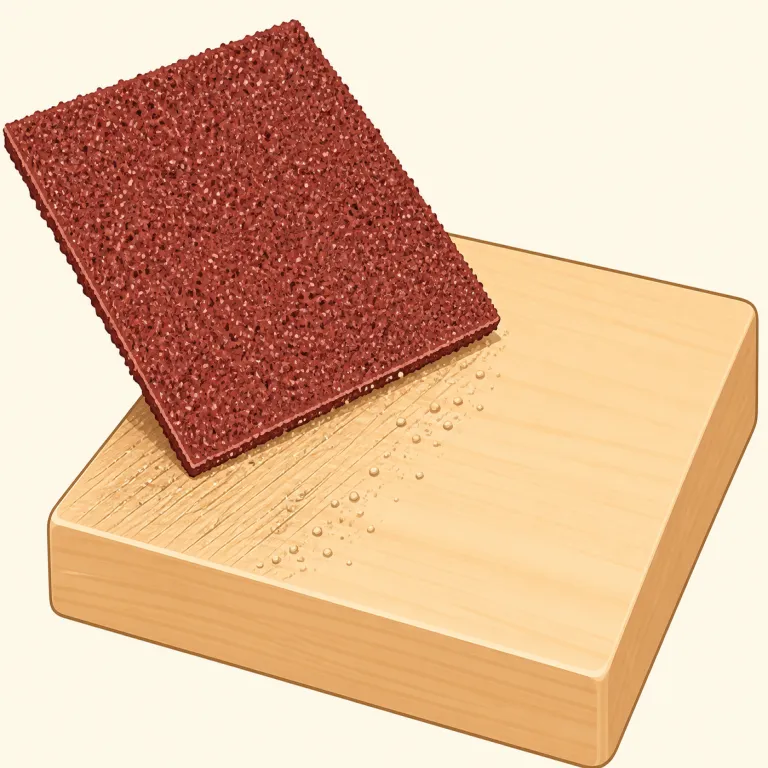
The abrasive sandpaper was perfect for finishing the wooden surface.
その研磨性のあるサンドペーパーは、木の表面を仕上げるのに最適だった。
His abrasive personality made it difficult to work with him.
彼の刺々しい性格のせいで、一緒に働くのは難しかった。
The abrasive comments during the meeting created tension among team members.
会議中のとげのある発言が、チーム内に緊張を生んだ。
abrasive の類義語・関連語
abrasive の語源・成り立ち Etymology
abrasive はラテン語 abradere(こすって削り取る)に由来し、ab-(離して)+ radere(削る)+ -ive(性質を表す)と分けられます。abrade や razor が近い仲間です。つまり「表面を荒らす」のではなく、「こすって削り落とす性質」が語の芯にあります。
Abrasive comes from Latin abradere, meaning "to scrape off," built from ab-, "away," and radere, "to scrape." It passed into English through abrade and related forms. The central idea is removing something by rubbing or scraping; razor comes from the same Latin root.
同じレベルの語彙をもっと
英検1級の一覧へ →外部辞書で調べる
この英単語をクイズで覚えよう