粗野に、下品に
adverb 副詞言葉遣いや振る舞いが上品さや礼儀を欠き、粗野または下品な仕方であることを表す。食材などの粒の粗さではなく、人の態度・冗談・表現の品のなさを評価する文脈で使う。
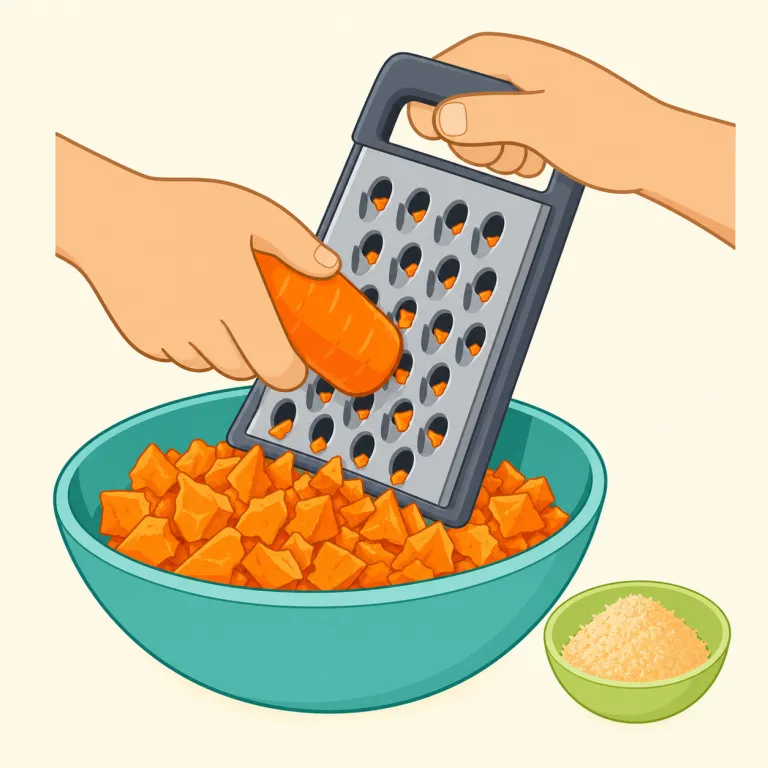
coarsely は英検1級レベルの英単語で、「粗く」という意味があります。発音記号は /ˈkoʊrsliː/ です。
粗い粒度や質感で、細かくない様子を表す副詞。粗く刻む、粗く挽くなどに使う。
Coarsely means in a rough, not fine or smooth way. It is used for things like texture, appearance, or detail, and sometimes for speech or behavior that feels rude or not polished.
coarse を知っていれば coarsely はそのまま「粗い状態で→粗く」。まず fine / finely の反対側に置くと定着しやすい。料理では chop or grind coarsely で「細かくしすぎず、粒がはっきり残る」感じ。文章や分類でも coarsely divided なら「大ざっぱな区分」。roughly には「おおよそ」の意味もあるが、coarsely は基本的に粒度・質感・精密さの低さを指す。語尾 -ly は形容詞を副詞化する合図として一緒に覚えるとよい。
Start from `coarse` and just add `-ly`: `coarsely` means "in a coarse way." Put it opposite `fine` and `finely` to fix it in memory. In cooking, `chop coarsely` helps you picture pieces that are still big and easy to see.
Chop the onions coarsely for the stew.
シチュー用にタマネギを粗く刻んでください。
The pepper was coarsely ground to add texture to the dish.
料理に食感を加えるために、コショウは粗く挽かれた。
She grated the cheese coarsely over the pasta.
彼女はパスタの上にチーズを粗くすりおろした。
文脈によって、次の意味でも使われます。
言葉遣いや振る舞いが上品さや礼儀を欠き、粗野または下品な仕方であることを表す。食材などの粒の粗さではなく、人の態度・冗談・表現の品のなさを評価する文脈で使う。
coarsely は coarse「粗い」に副詞語尾 -ly が付いた形です。coarse は中英語を経て古フランス語系の「普通の・洗練されていない」にさかのぼるとされ、細かさの欠けた感じから「粗く」になりました。関連語に coarsen, coarse-grained があります。
Coarsely comes from coarse + the adverb ending -ly. Coarse entered English through Old French and meant something like "common" or "not refined." From that idea, it developed into the sense of being rough, not fine, or lacking detail. Related English words include coarsen and coarse-grained.
この英単語をクイズで覚えよう