後退距離、セットバック
noun 名詞建物や構造物を道路や敷地境界から後退させて設ける距離、またはその後退部分を指します。都市計画や建築規制の文脈で使われ、通風・採光や安全のために最低距離が定められることがあります。
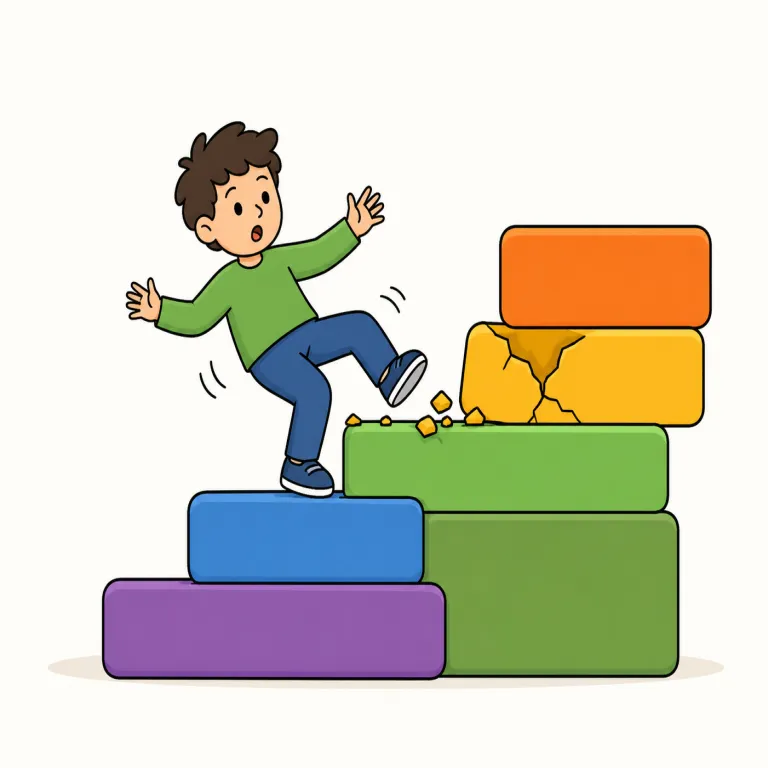
setback はTOEIC 860・TOEFL 80・IELTS 6.5レベルの英単語で、「後退、つまずき」という意味があります。発音記号は /ˈsɛtbæk/ です。
計画や努力の途中で起こる予期しない問題や後退を指す名詞です。完全な失敗ではなく、一時的に進みが止まったり不利な状況になったりすることを表します。その後に立て直せる余地がある場合によく使われ、仕事や学習、競技など幅広い場面で用いられます。
A setback is a problem or difficulty that slows down progress or causes a temporary failure. It is often used when talking about work, plans, health, or recovery. A setback is usually not final, but it makes success harder for a time.
set と back をそのまま使って、『前に進んでいたものが back 側に set される』と捉えると覚えやすい。failure が完全な失敗に寄りやすいのに対し、setback は一時的な後退や足止めで、まだ取り返せる感じが残る。ニュースやビジネスでは a major setback, suffer a setback, face a setback の形が頻出。progress の流れが少し逆向きになる場面の名詞だとイメージすると、単なる失敗との違いも一緒に定着する。
Split it into `set` + `back`: progress gets set back instead of moving forward. That makes it easier to remember as a temporary step backward, not always a complete failure. Common pairs like `major setback`, `face a setback`, and `suffer a setback` are useful memory anchors.
Losing the contract was a major setback for the company.
契約を失ったことは、その会社にとって大きなつまずきだった。
Despite the setback, she remained determined to reach her goal.
そのつまずきにもかかわらず、彼女は目標を達成しようという決意を失わなかった。
His injury was a temporary setback in his athletic career.
彼のけがは、競技人生における一時的な後退だった。
文脈によって、次の意味でも使われます。
建物や構造物を道路や敷地境界から後退させて設ける距離、またはその後退部分を指します。都市計画や建築規制の文脈で使われ、通風・採光や安全のために最低距離が定められることがあります。
setback は set「置く」の古英語 settan と、back「後ろ」の古英語 bæc からなる語です。もとは「後ろへ置く」で、前進を押し戻す感じから「計画の挫折・後退」を表すようになりました。関連語は seat, sit。
Setback is made from set and back, both old Germanic words in English. It first suggested being pushed or placed backward instead of moving forward. From that physical image, it came to mean a delay, reversal, or problem in progress. Related words include sit and seat.
この英単語をクイズで覚えよう