えいたんごクイズ

sparse

/spɑːs/

sparse は英検1級・TOEIC 990・TOEFL 100・IELTS 7.5レベルの英単語で、「まばらな、乏しい、疎らな」という意味があります。発音記号は /spɑːs/ です。

意味一覧 (4件)

adjective

まばらな

解説 Definition

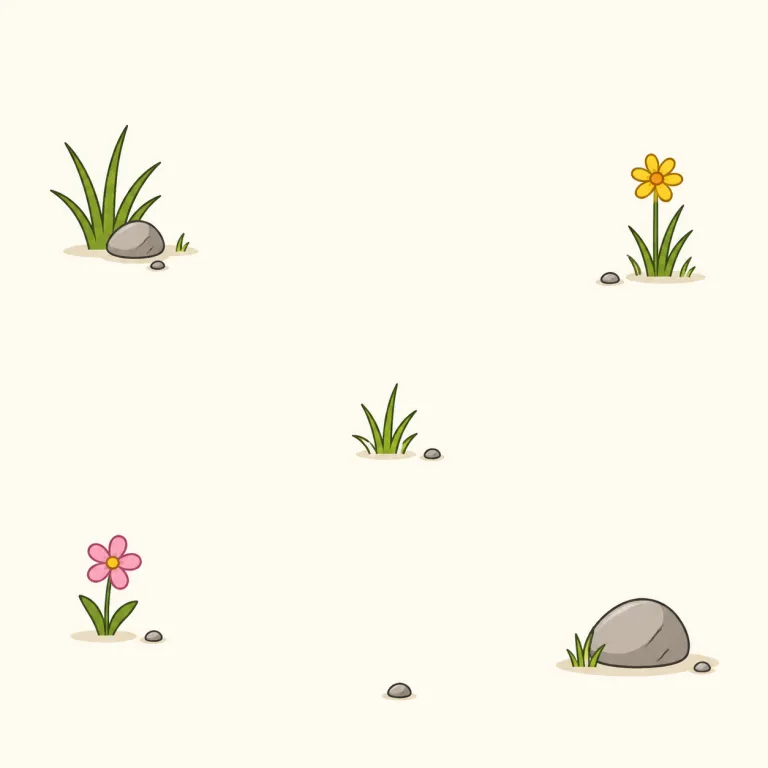
「sparse」は、数が少なく、間隔が広く空いているさまを表します。人口・植物・データなど、密度が低い状態を指す形容詞です。「sparse population(まばらな人口)」や「sparse vegetation(まばらな植生)」のように、分布や配置が密でないことを表す場面でよく使われます。

Sparse means thinly spread out or not dense. It is often used for things like plants, population, information, or decoration when there is not much of it.

覚え方のコツ Memory Tip

「まばらな」の sparse は、物や人が密集せず、点々と離れて存在する様子を表します。dense(密な)の反対として、sparse population, sparse vegetation, sparse forest のように人口・植物・森などの密度が低い場面で覚えると定着しやすいです。単に量が足りないというより、間隔が空いていてスカスカに見える配置や分布を意識しましょう。

Remember sparse as the opposite of dense. It does not just mean few; it suggests things are spread out with spaces between them. Useful collocations include sparse population, sparse vegetation, and sparse forest.

例文

The sparse forest allowed sunlight to reach the ground easily.

まばらな森では日光が地面に容易に届いた。

The audience was sparse, with only a few people attending the event.

観客はまばらで、イベントに参加したのはほんの数人だった。

His notes were sparse and difficult to study from.

彼のノートはまばらで、勉強するのが難しかった。

adjective

まばらな

(意味 2)

解説 Definition

密集していない、間隔が広く散在している。密度が低い状態を表す。

例文

The sparse vegetation on the mountain made the terrain look barren.

山のまばらな植生のため、地形がむき出しに見えました。

The library had sparse shelves after the move to a new location.

新しい場所への移転後、図書館の棚は本がまばらでした。

The population was sparse in the remote village.

その遠い村の人口はまばらであった。

adjective

とぼしい

(意味 3)

解説 Definition

sparse は、情報・証拠・資源・食料などの量が十分でなく、手に入るものが少ないことを表します。単に数えるものが少ないだけでなく、必要な量に比べて不足気味だという書き言葉寄りの響きがあります。

Sparse describes a situation where something important such as information, evidence, resources, or food is available only in a small amount. It often suggests not just that there is little of something, but that the amount is less than what is needed. The word is common in written or formal contexts when talking about shortage or limited supply.

覚え方のコツ Memory Tip

sparse は「まばらで量が乏しい」という形容詞です。ラテン語 spargere「散らす」に由来し、点々と散らばって密度が低いイメージで覚えます。sparse data、sparse vegetation、sparse population のように、データ・植物・人口などが十分に集まっていない場面でよく使います。scarce は「不足して手に入りにくい」、sparse は「存在はするが間隔が広い」と押さえると区別しやすいです。

Think of mustering as bringing people, support, or resources together for a purpose. It is common in phrases like mustering support or mustering resources, where help is gathered before taking action. Compared with gathering, it sounds more formal and more focused on preparation.

例文

Evidence for the claim is still sparse.

その主張を裏づける証拠はまだ乏しい。

The village has sparse medical resources, so many residents go to the city for treatment.

その村では医療資源が乏しいため、多くの住民が治療のために町へ行く。

Because the report was based on sparse data, its conclusion remained uncertain.

その報告書は乏しいデータに基づいていたため、結論ははっきりしなかった。

adjective

まばらな

(意味 4)

解説 Definition

密度が低く、均一に分布していない状態を表します。ものや現象がまばらに散在し、数が少ないことを意味します。

例文

The stars appeared sparse in the night sky due to light pollution.

光害のため、星は夜空で疎らに見えました。

The furniture arrangement was sparse, giving the room a minimalist look.

家具の配置が疎らで、部屋にミニマリストな雰囲気を与えました。

The sparse rainfall in the region led to drought conditions.

その地域の疎らな降雨は干ばつ条件につながりました。

sparse の語源・成り立ち Etymology

ラテン語 sparsus(まき散らされた)が語源で、動詞 spargere「散らす」の過去分詞に由来します。ばらばらに散って間が空く感覚から「まばらな」となりました。関連語は disperse, intersperse。

Sparse comes from Latin sparsus, meaning "scattered," the past participle of spargere, "to scatter." The idea is that things are spread out with spaces between them. That sense of being thinly scattered led to the modern meaning. Related words include disperse and intersperse.

外部辞書で調べる

この単語をシェア

この単語を英単語クイズで覚えよう