貧弱な
解説 Definition
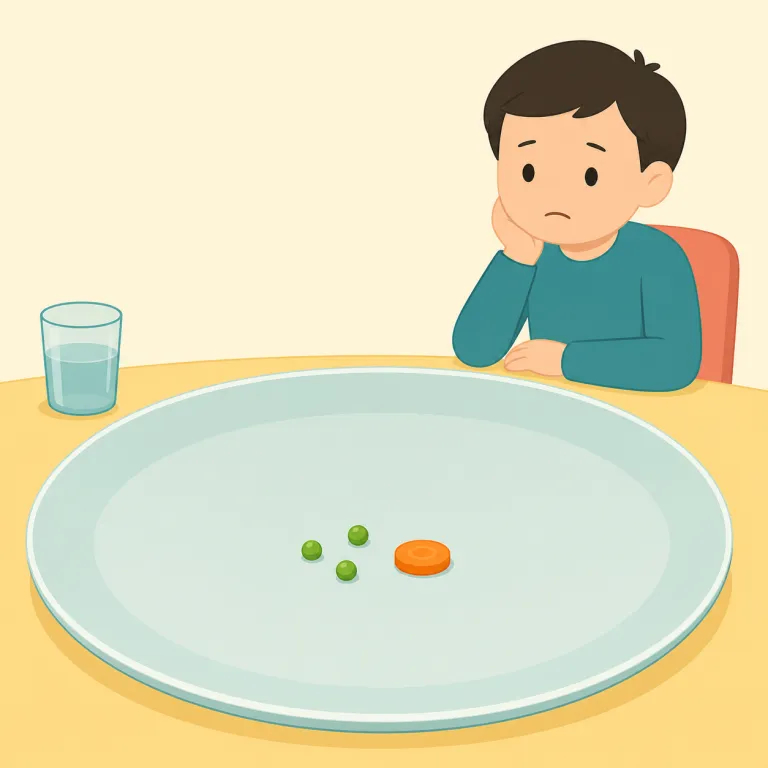
「貧弱な」とは、量が少なくて満足できず、質も低く頼りにならない状態を指します。栄養が不足しているような弱々しさや、能力・成果が期待を下回っていることも含みます。全体として、十分ではなく頼りない様子を表す語です。
Meagre means very small in amount, often less than what is needed or expected. It is commonly used for food, money, results, or resources. This word often carries a feeling of disappointment or lack.
覚え方のコツ Memory Tip
small ではただ「小さい」だけですが、meagre は「少なすぎて物足りない・中身まで乏しい」まで含む語です。a meagre salary, a meagre meal, meagre evidence のように、給料・食事・証拠など「本来もっと欲しいのに足りない」場面と結びつけると覚えやすくなります。poor が質の悪さ寄りなのに対し、meagre はまず量の乏しさが中心。米語では meager とつづるので、別語だと思わないことも記憶の助けになります。
Remember `meagre` as more than just `small` or `little`. It often appears with things people want more of, like `a meagre salary` or `meagre evidence`. In American English, it is usually spelled `meager`, so keep both spellings together in memory.
例文
The meagre portions at the restaurant were not satisfying.
そのレストランの料理は量が少なく、満足できるものではありませんでした。
The refugee camp provided meagre supplies for survival.
難民キャンプが支給したのは、生き延びるためのわずかな物資だけだった。
Her meagre salary made it difficult to pay rent.
彼女のわずかな給料では、家賃を払うのが難しかった。
meagre の類義語・関連語
紛らわしい語
meagre の語源・成り立ち Etymology
meagre は古フランス語 maigre「痩せた」に由来し、その奥にラテン語 macer「やせ細った」があります。もとは“肉づきが乏しい”姿を表し、そこから量・内容が乏しく貧弱だという意味へ広がりました。関連語は emaciated, meagerness。
Meagre came into English from Old French maigre, meaning "thin" or "lean," and goes back to Latin macer, "thin" or "wasted." It first suggested a body with little flesh. Later the idea widened from physical thinness to anything lacking fullness, richness, or substance. Related words include emaciated and meagerness.
同じレベルの語彙をもっと
外部辞書で調べる
この英単語をクイズで覚えよう