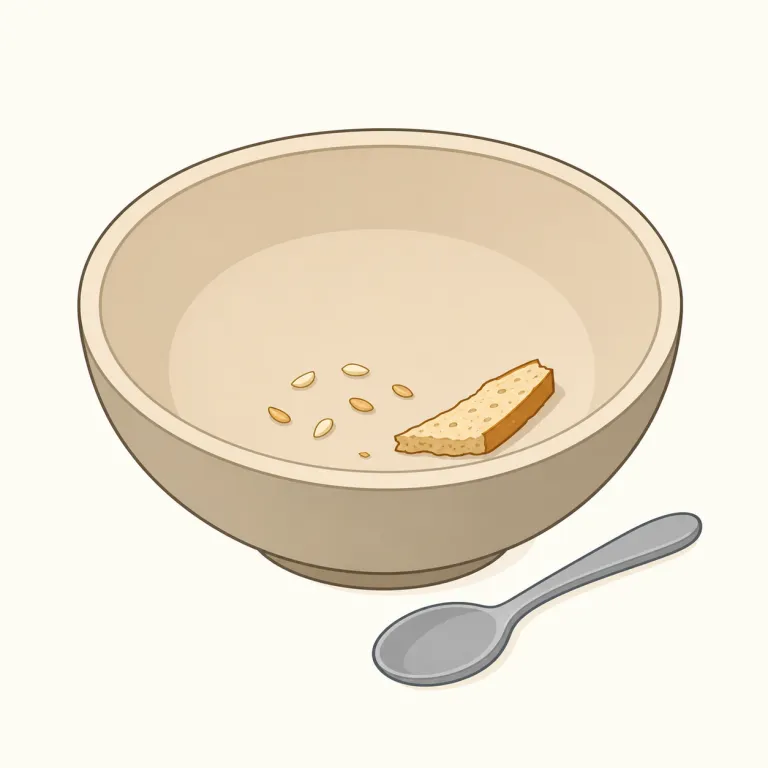
meager
meager は英検1級レベルの英単語で、「貧弱な」という意味があります。発音記号は /ˈmiːgɚ/ です。
貧弱な
解説 Definition
不十分であり、限定的である、または貧弱な状態を示す形容詞。量や質が満足のいく水準に達していない。
Meager means very small in amount or not enough for a need or purpose. It is often used for food, money, information, or results, and it suggests something disappointing or poor.
覚え方のコツ Memory Tip
small が単に「小さい」なのに対し、meager は「期待した量に全然足りず、見た目にも中身にも乏しい」という不満込みの語。meager salary, meager meal, meager evidence, meager harvest のように、給料・食事・証拠・収穫が“少なすぎて心もとない”場面と結びつけると覚えやすい。単なる little ではなく、結果として物足りない感じまで含む。つづりや音が eager に似るので混同注意。eager は熱望している、meager は乏しい。
`Meager` often appears with things that are not enough, like `meager salary`, `meager meal`, or `meager evidence`. It is stronger than just `small` because it carries disappointment. Be careful not to mix it up with `eager`: `eager` means very interested, but `meager` means very little.
例文
The meager salary was not enough to cover living expenses.
そのわずかな給料では生活費を賄えなかった。
The refugee camp provided meager food rations.
難民キャンプで配給された食糧は乏しかった。
Despite meager resources, the team achieved remarkable results.
乏しい資源にもかかわらず、チームは目覚ましい成果を上げた。
meager の類義語・関連語
meager の語源・成り立ち Etymology
meager は古フランス語 maigre、さらにラテン語 macer「やせた」にさかのぼります。語の芯にあるのは「細く薄い」という感覚で、量や中身が乏しい意味になったとわかる語です。関連語に emaciate と maigre があり、どちらも「やせ細る」感覚を残します。
"Meager" comes from Old French maigre, which goes back to Latin macer, meaning "lean" or "thin." The original idea was physical thinness. In English, that sense widened to describe anything lacking in amount, richness, or substance. A related word is "emaciate."
同じレベルの語彙をもっと
英検1級の一覧へ →外部辞書で調べる
この英単語をクイズで覚えよう