わずかに足りない/〜足らずの
adjective 形容詞数量表現の前に置き、示された数量にわずかに届かないことを表す。a scant ten minutes のように使い、単に物や資源の絶対量が乏しいという意味とは区別される。
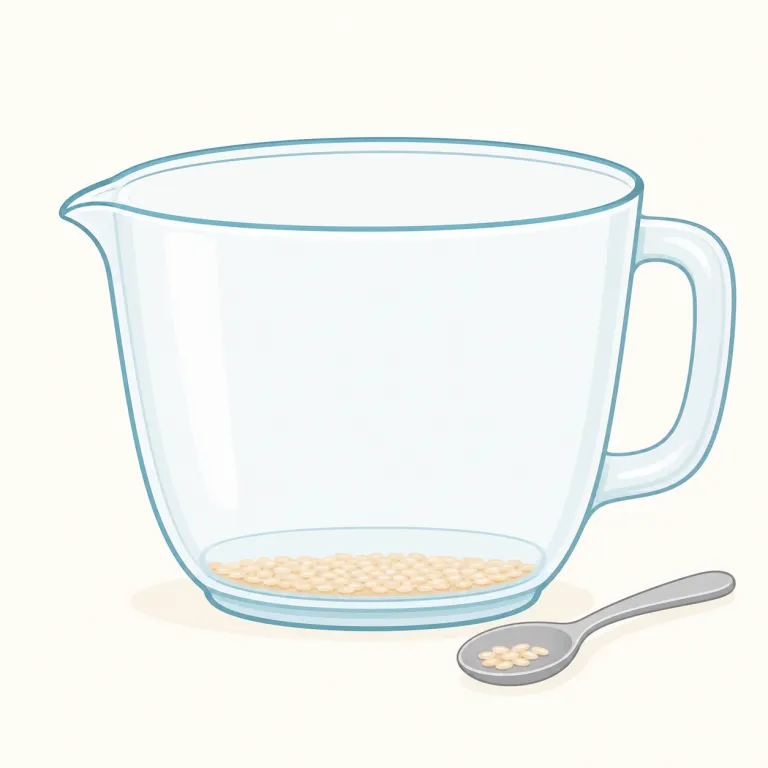
scant は英検1級レベルの英単語で、「乏しい」という意味があります。発音記号は /skænt/ です。
量や程度が非常に少なく、必要や期待を満たしていない状態を表す形容詞です。十分と言える条件を満たしておらず、不足や欠乏が問題になる状況で使います。資料や証拠、資源などが乏しいことを強調する言葉です。
Scant means very small in amount and less than what is needed or expected. It is used to describe limited supplies, information, evidence, or clothing. The word often suggests insufficiency rather than complete absence.
scant は『少ない』ではなく『足りないほど少ない』で覚えると定着しやすい語。small が大きさ、few/little が単なる数量なのに対し、scant は必要量を下回っていて心もとない感じが出る。scant evidence, scant information, scant resources のように、判断や行動の材料が不足している場面でよく使う。『量の少なさ』より『不十分さ』が核で、scanty も同じ方向の語。
`Scant` is not just `small` or `few`; it means not enough. That feeling of shortage is the key memory hook. It often appears with words like `evidence`, `information`, or `resources`, where the problem is insufficiency.
The resources available for the project are scant.
そのプロジェクトに使える資源は乏しいです。
He provided scant evidence to support his claims.
彼は自分の主張を裏付ける証拠をほとんど提示しませんでした。
Water is scant in the desert, making survival difficult.
砂漠では水が不足しており、生存が難しくなります。
文脈によって、次の意味でも使われます。
数量表現の前に置き、示された数量にわずかに届かないことを表す。a scant ten minutes のように使い、単に物や資源の絶対量が乏しいという意味とは区別される。
scant は古ノルド語 skamt「短く、不十分に」に由来し、もとは skammr「短い」から来た語です。『長さや量が足りない』という感覚が、そのまま『乏しい、ぎりぎりの』という意味になりました。関連語に scanty, scantily があります。
Scant comes from Old Norse skamt, meaning "shortly" or "in a small amount," related to skammr, "short." The basic idea was that something was too short in length or amount. From there it came to mean barely enough or not enough; related forms include scanty and scantily.
この英単語をクイズで覚えよう