力不足の、自信のない
adjective 形容詞特にfeel inadequateの形で、自分には仕事や状況に対処する能力・資質が足りないと感じる心理を表します。物や制度が客観的に必要な水準を満たさないという意味とは異なり、本人の自信のなさに焦点があります。
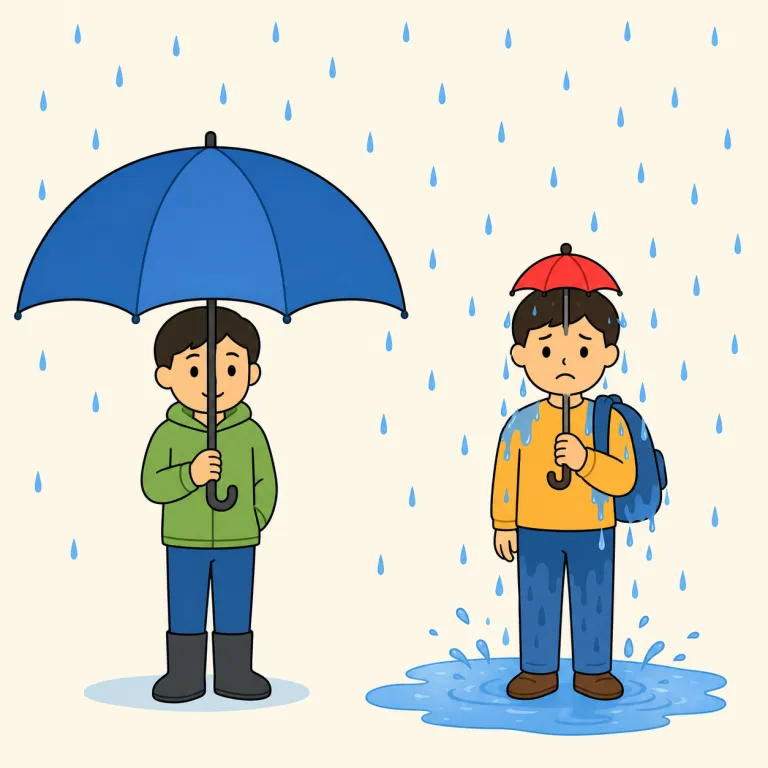
inadequate は英検準1級・TOEIC 860・TOEFL 80・IELTS 6.5レベルの英単語で、「不十分な」という意味があります。発音記号は /ˌɪˈnædəkwət/ です。
十分な量や質がなく、求められる条件や水準を満たしていないことを指します。努力や準備などが不足しているため、期待される成果を得られない場合に使います。特定の目的や状況に対して十分な支援や資源が提供されていない状況でも用いられます。
Inadequate means not enough or not good enough for a particular purpose. It is often used to describe things like preparation, money, skills, or facilities when they do not meet what is needed.
adequate をまず「必要最低限は満たす、足りている」と押さえると、inadequate はその否定で「基準に届かない」。enough より少しかしこまった語で、adequate sleep, adequate funding のように、量や条件が足りるかを述べる場面でよく使う。そこから inadequate preparation, inadequate evidence は『準備や証拠が足りず、要求水準を満たせない』と連想すると残りやすい。bad のような全面否定ではなく、『質や量の不足』が中心。insufficient と近いが、inadequate は『目的に対して不十分』という感触が強い。
Build it from adequate, which means enough for a purpose. Add in- and it becomes "not enough" in a more formal way. It is useful to connect it with phrases like inadequate evidence or inadequate preparation, where the problem is not total failure, but not meeting the needed standard.
The evidence was inadequate to prove his guilt.
その証拠は彼の有罪を証明するには不十分でした。
The budget is inadequate for the project.
そのプロジェクトには予算が足りません。
Her preparation was inadequate for the exam.
彼女は試験の準備が不十分でした。
この語をはじめて出題された 34人 のうち 24人 が正解しました(71%)。
えいたんごクイズの回答から集計した独自データです。1人につき最初に出題されたときの1回だけを数えており、復習や2回目以降の回答、「わからない」と時間切れは含みません。 集計時点は 2026年9月19日 です。
文脈によって、次の意味でも使われます。
特にfeel inadequateの形で、自分には仕事や状況に対処する能力・資質が足りないと感じる心理を表します。物や制度が客観的に必要な水準を満たさないという意味とは異なり、本人の自信のなさに焦点があります。
inadequate は in-「否定」+ adequate「十分な」から成る語です。adequate はラテン語 adaequare「等しくする」に由来し、ad-「〜へ」+ aequus「等しい」からできたので、「必要量と等しくない」ことが「不十分な」につながります。関連語は equal、equate。
Inadequate is made from in- meaning "not" and adequate meaning "enough" or "equal to what is needed." Adequate comes from Latin adaequare, meaning "to make equal," from ad- and aequus "equal." So inadequate first meant "not equal to the need," and then simply "not enough." It is related to equal and equate.
この英単語をクイズで覚えよう