terse
terse は英検1級レベルの英単語で、「簡潔な」という意味があります。発音記号は /tɝːs/ です。
簡潔な
解説 Definition
必要最小限の言葉で表現される、簡潔で短い文体や話し方を指します。時には無愛想に聞こえる場合があります。
Terse means very short and using only a few words. It can sound clear and direct, but it can also seem unfriendly or too abrupt depending on the situation.
覚え方のコツ Memory Tip
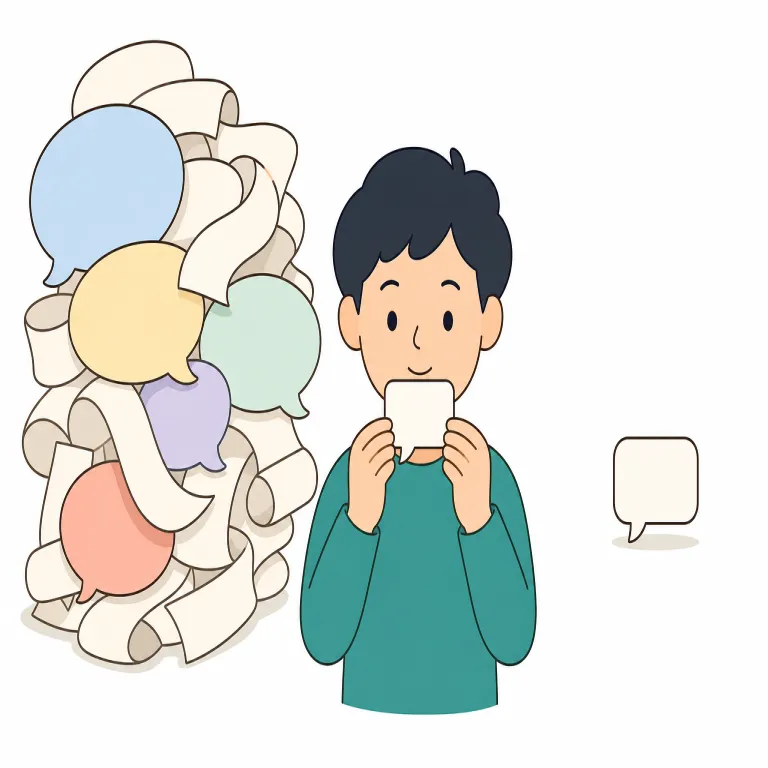
短く言い切る語として覚える。近い語に brief, concise があるが、terse は「うまく簡潔」よりも「削って短い、少し冷たい」感じが出やすい。curt にも近いが、terse は人の態度だけでなく文体や表現の短さにも使いやすい。a terse reply, terse email, terse instructions のように、返事・メール・指示が必要最小限で、相手がややそっけなく感じる場面をまとめて思い浮かべると定着しやすい。冗長な verbose の反対側に置くと整理しやすい。
Place this near "brief" and "concise," but give it a slightly colder feeling. "Terse" often suggests words that are very short and may sound unfriendly or sharp. Think of "a terse reply" or "a terse email" to remember that tone.
例文
His terse reply suggested he was annoyed by the question.
簡潔な返答から、その質問にいら立っていることがうかがえた。
The manager preferred terse emails that got straight to the point.
そのマネージャーは、要点をすぐに伝える簡潔なメールを好みました。
Her terse manner of speaking often made people think she was angry.
彼女は話し方が簡潔なので、怒っていると思われることがよくありました。
terse の類義語・関連語
対義語
派生語
紛らわしい語
terse の語源・成り立ち Etymology
terse はラテン語 tersus「拭ってきれいにした」に由来し、元の動詞は tergere「ぬぐう」です。detergent や deterge も同根で、無駄を拭い落として磨いたような文体だから『簡潔な』という意味になりました。
Terse comes from Latin tersus, meaning "wiped clean" or "polished." It comes from tergere, "to wipe," which is also behind words like deterge and detergent. The meaning changed from physically cleaned and polished to language that is neat, smooth, and free of extra words.
同じレベルの語彙をもっと
英検1級の一覧へ →外部辞書で調べる
この英単語をクイズで覚えよう