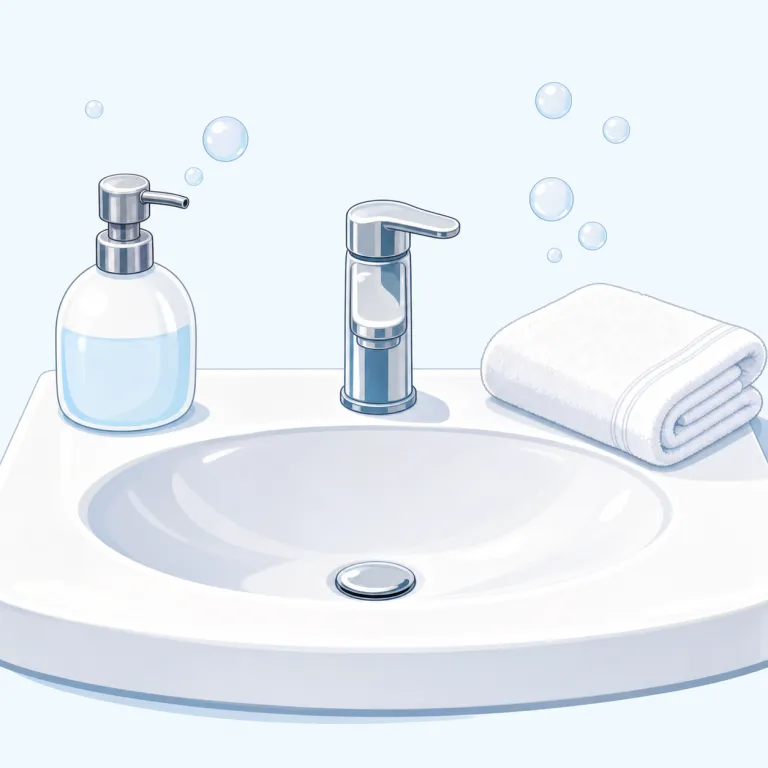
clean
clean は英検5級・英検6級レベルの英単語で、「清潔な、掃除する、きれいにする」という意味があります。発音記号は /kliːn/ です。
意味一覧 (2件)
清潔な
解説 Definition
汚れやほこり、ばい菌などがなく、衛生的でさっぱりしている状態を表す形容詞です。人の手や衣服、部屋、空気など幅広い対象に使えます。見た目がきれいというだけでなく、健康や衛生の面で安心できる清潔さを含む語で、日常会話でも非常によく使われます。
Clean means not dirty, and free from dust, marks, or pollution. It can describe people, places, objects, or actions such as keeping something neat and hygienic. In some contexts, it can also mean morally acceptable or free from anything harmful or illegal.
覚え方のコツ Memory Tip
clean はまず dirty の反対として押さえると記憶しやすい語です。clean hands, clean room, clean air, clean water のように、人・物・場所・空気まで幅広く使え、「見た目が整っている」より「汚れや有害なものがない」感覚が中心です。tidy は「整理整頓」、pretty は「見た目がきれい」なので別物。keep it clean という形でもよく出るので、衛生的で安心できる状態をまとめて表す語として覚えると定着します。
Remember clean as the opposite of dirty. It is used widely in phrases like clean hands, clean room, clean air, and clean water, so think of it as "free from dirt or harm." Do not mix it up with tidy, which is about being organized, not necessarily clean.
例文
My hands are clean.
私の手は清潔です。
This cup is clean.
このコップは清潔です。
The room is clean.
その部屋は清潔です。
えいたんごクイズでの正答率
この語をはじめて出題された 66人 のうち 62人 が正解しました(94%)。
えいたんごクイズの回答から集計した独自データです。1人につき最初に出題されたときの1回だけを数えており、復習や2回目以降の回答、「わからない」と時間切れは含みません。 集計時点は 2026年9月19日 です。
掃除する、きれいにする
(意味 2)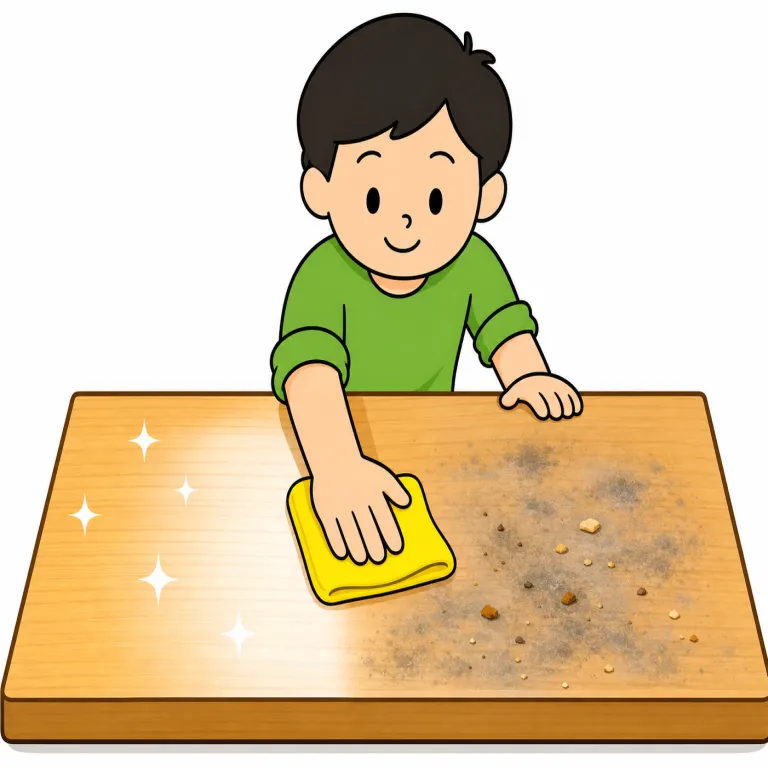
解説 Definition
部屋・机・服・食器などの汚れを取り除いて、きれいな状態にすることを表す。日常の掃除や洗浄で広く使われ、場所だけでなく物や表面をきれいにするときにも用いる。
To remove dirt from a place, object, or surface. This verb is used for everyday tasks involving rooms, furniture, clothes, and dishes.
覚え方のコツ Memory Tip
clean は dirty の反対の状態だけでなく、その状態に「する」動作として押さえると覚えやすい語です。clean my room なら「部屋をきれいにする」、clean the table なら「テーブルの汚れを取る」。tidy は主に整理整頓、wash は水で洗う動作に寄りますが、clean は汚れや不要なものを取り除いて使える状態にする広い動詞だと捉えると定着します。
Think of clean as an action that takes something from dirty to free of dirt. Picture wiping a dirty table, and remember "clean the table." The focus is removing dirt, whether or not you use water.
例文
I need to clean my room before my friends come.
友だちが来る前に部屋を掃除する必要がある。
She cleaned the table with a wet cloth.
彼女はぬれた布でテーブルをきれいにした。
We clean the kitchen every evening.
私たちは毎晩キッチンを掃除する。
clean の類義語・関連語
clean を含む表現
句動詞・イディオムなど 8 件。クリックで各表現の詳細へ。
clean の語源・成り立ち Etymology
clean は古英語 clæne「汚れのない・純粋な」に由来し、語幹 clean- 自体が『澄んで混じりけがない』感覚を持つ。cleanse や unclean にも同じ核があり、単に『きれい』だけでなく『純粋で整った状態』まで含む語だと分かる。
Clean comes from Old English clǣne, meaning "free from dirt" but also "pure" or "clear." From early on, the word carried both physical and moral ideas of being without stain or mixture. That wider sense still appears in related words like cleanse and unclean.
同じレベルの語彙をもっと
英検5級の一覧へ →外部辞書で調べる
この英単語をクイズで覚えよう