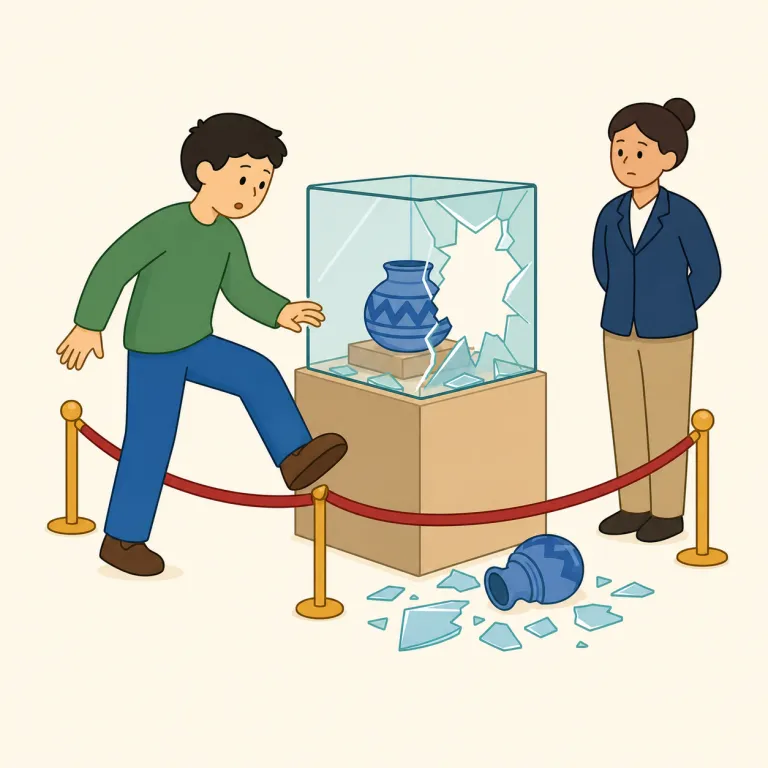
意味一覧 (3件)
違反、犯罪
解説 Definition
法律や規則に反する行為を指す名詞です。日常的なルール違反から刑法上の犯罪まで、文脈に応じて軽い違反にも重い罪にも使われます。警察・裁判・校則などの場面でよく現れます。
This is an act that breaks a law or rule. Depending on the context, it may refer to either a minor violation or a serious crime.
覚え方のコツ Memory Tip
まず rules や law とセットで覚えるのが実用的です。offense は『ルールにぶつかって外れる行為』と考えると、「違反・犯罪」に自然につながります。drunk driving is a serious offense, a minor offense のように、軽い規則違反から重い罪まで幅があります。スポーツの offense「攻撃側」もありますが、警察・裁判・校則の文脈では『攻める側』ではなく『してはいけないことをした行為』を指すと切り分けると混同しにくいです。
Learn offense together with law and rules, and imagine an action that crosses a legal or official boundary. Phrases such as a minor offense and a serious offense show that its severity can vary.
例文
Drunk driving is a serious offense.
飲酒運転は重大な違反です。
He committed a minor offense.
彼は軽い違反を犯した。
Speeding is an offense under this law.
この法律では、スピードの出し過ぎは違反です。
攻撃
(意味 2)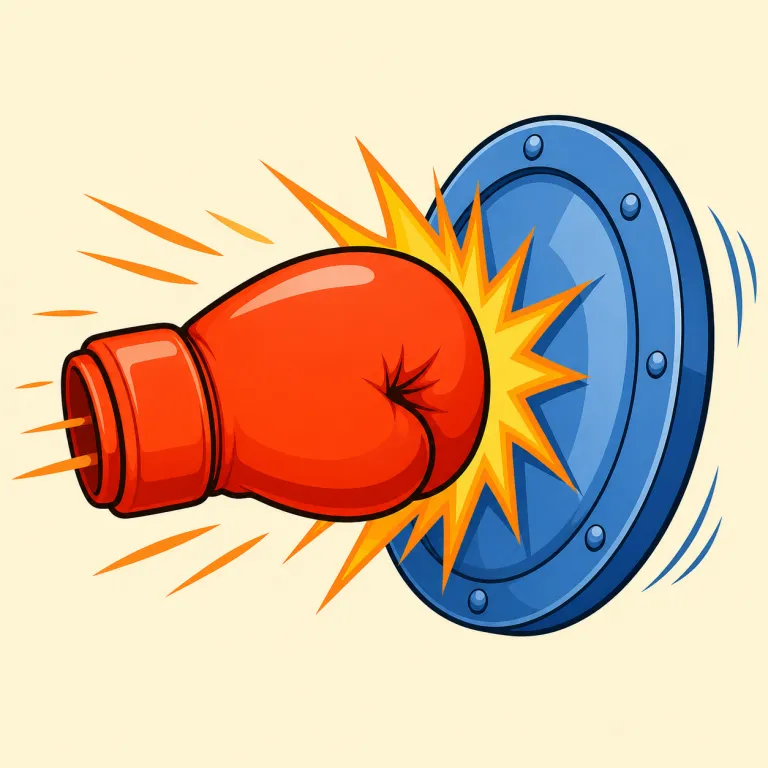
解説 Definition
敵に対して仕掛ける攻撃的な行動。戦闘や試合での攻撃を意味します。
Offense is the act of attacking or trying to score against an opponent. It is commonly used in sports, where it means the side or action focused on scoring rather than defending. In American English, it is the usual opposite of defense in this sense.
覚え方のコツ Memory Tip
まず defense とセットで覚えるのが最も実用的です。スポーツでは offense / defense で「攻撃 / 守備」の超定番ペアなので、片方を見たら必ずもう片方を連想するようにすると定着します。offensive は「攻撃的な」という形容詞。attack が単発の「攻撃行為」を指しやすいのに対し、offense は「攻撃側」「攻撃の局面」「攻撃力」として出やすく、go on offense, a strong offense などで覚えると使い分けしやすいです。なお法律文脈では「違反・罪」の意味もあるので注意。
Remember `offense` by learning it together with `defense`, especially in sports. If a team is `on offense`, it is the side trying to score. This helps separate it from `attack`, which often sounds like one single action rather than the whole attacking side or strategy.
例文
Their offense was very aggressive in the second half.
後半、彼らの攻撃は非常に積極的でした。
The team's offense scored three goals.
チームの攻撃陣は3ゴールを決めた。
A strong offense helped the team win the game.
強力な攻撃がチームの勝利に役立ちました。
えいたんごクイズでの正答率
この語をはじめて出題された 30人 のうち 14人 が正解しました(47%)。
えいたんごクイズの回答から集計した独自データです。1人につき最初に出題されたときの1回だけを数えており、復習や2回目以降の回答、「わからない」と時間切れは含みません。 集計時点は 2026年9月19日 です。
侮辱、不快感
(意味 3)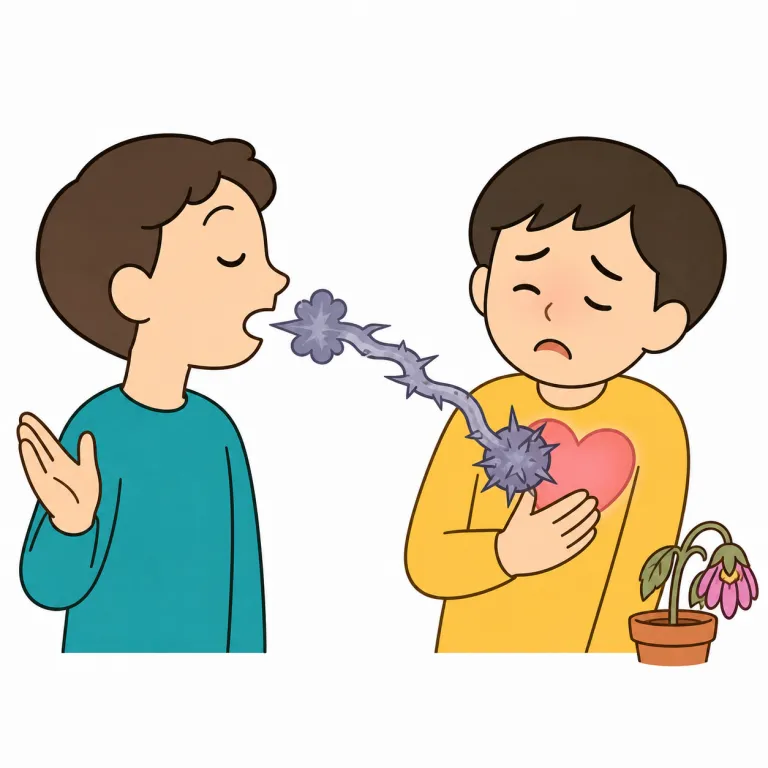
解説 Definition
人の気分を害する言動や、その結果として生じる不快感を表します。誰かに失礼なことを言う場合にも、それで相手が腹を立てる場合にも使われます。会話や対人関係の文脈で頻出です。
This is insulting or upsetting behavior, or the hurt and anger that such behavior causes. It commonly refers to a person's emotional reaction to rude words or actions.
覚え方のコツ Memory Tip
no offense という定型句から覚えるのが最も実用的です。『攻撃するつもりはない』ではなく、『気分を害するつもりはない』という対人表現として押さえると、offense は「侮辱・不快感」と取れます。cause offense, take offense のように、人の心にぶつかって不快にさせる場面でよく使われます。スポーツの offense「攻撃側」とは別に、会話や発言の文脈では『相手が傷つく・腹を立てる』側の意味だと切り分けると定着しやすいです。
Remember the fixed expression no offense, meaning that you do not intend to upset or insult someone. Cause offense focuses on creating hurt feelings, while take offense means becoming upset or insulted.
例文
His comment caused great offense.
彼の発言は大きな不快感を与えました。
I meant no offense by that joke.
あの冗談で誰かを侮辱するつもりはありませんでした。
She took offense at his words.
彼女は彼の言葉に腹を立てました。
offense の類義語・関連語
offense の語源・成り立ち Etymology
offense は古フランス語 offense を経て、ラテン語 offensa / offendere「ぶつかる・攻撃する・違反する」に由来します。off-「向かって」+ fendere「打つ」が背景で、『相手や規則にぶつかる行為』から、法律や規則に反する『違反・犯罪』の意味になったと納得できます。
It came through Old French offense from Latin offensa and offendere, words associated with striking against, attacking, or violating.
同じレベルの語彙をもっと
外部辞書で調べる
この英単語をクイズで覚えよう