意味一覧 (2件)
散る、分散する
解説 Definition
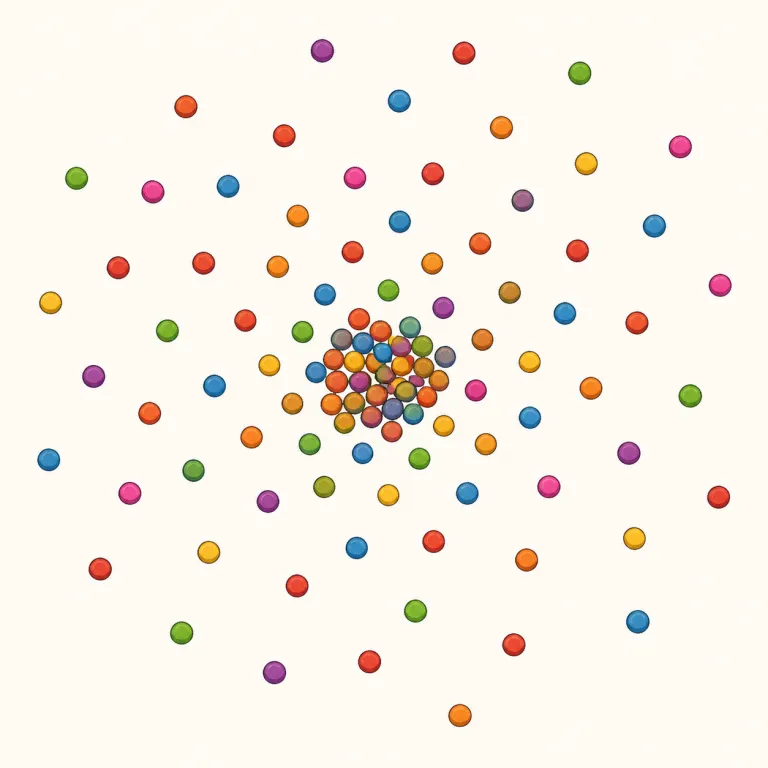
人や物が一か所にまとまった状態から、あちこちへ離れて広がることを表す自動詞です。群衆・雲・種・光などが自然に散っていく場面や、集まりが解散して人々が去っていく文脈でよく使われます。
To move apart and spread in different directions after being gathered in one place. It is often used when crowds, clouds, seeds, or other groups naturally scatter or break up.
覚え方のコツ Memory Tip
まず `dis-` を「離れて、ばらばらに」と見ると覚えやすい語です。ひとかたまりだった群衆・雲・種などが、まとまりを失ってあちこちへ散っていく場面を思い浮かべると `disperse` の「散る、分散する」が取りやすくなります。`clouds disperse` や `the crowd dispersed` のように、「集まっていたものがほどけて各所へ散る」と結び付けると定着しやすいです。
Treat dis- as suggesting movement apart. Picture a single crowd or cloud losing its shape and spreading in many directions, as in “the crowd dispersed” or “the clouds dispersed.”
例文
The crowd dispersed after the concert ended.
コンサートが終わると、群衆は散っていった。
The clouds slowly dispersed in the morning sun.
雲は朝の日差しの中でゆっくり散っていった。
The seeds disperse naturally in the wind.
その種は風に乗って自然に散っていく。
分散させる
(意味 2)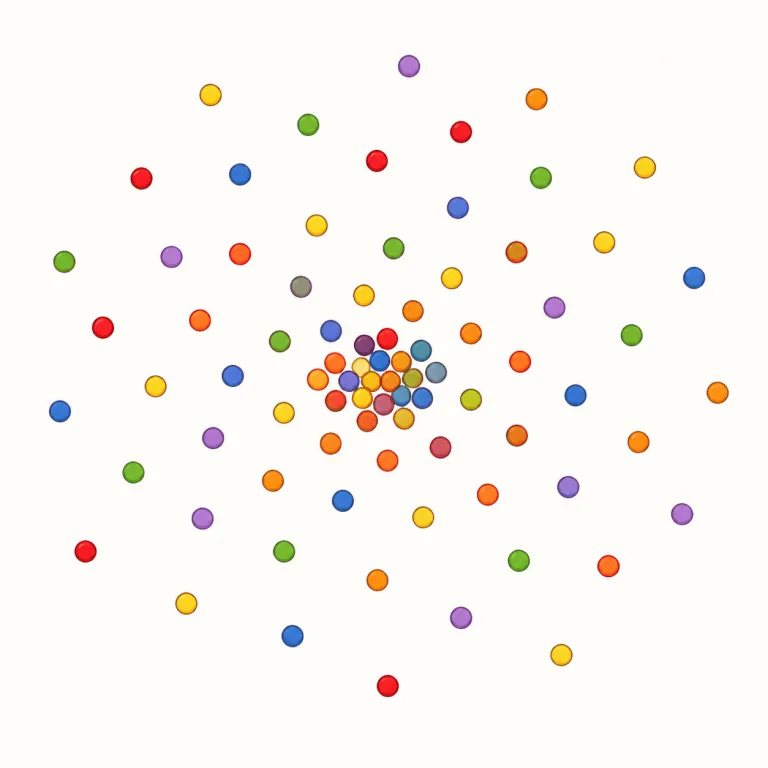
解説 Definition
人や物を様々な場所に散らばらせるまたは広がらせることを指します。集中した状態から分散した状態に変えることです。
To disperse means to spread people or things out in different directions or over a wide area. It is often used for crowds, clouds, seeds, or anything that moves away from one central place.
覚え方のコツ Memory Tip
まず `dis-` を「離して、ばらして」と見ると覚えやすい語です。`disappear` や `disconnect` と同じく、ひとかたまりの状態がほどけていく感覚を持つと `disperse` の「分散させる」が取りやすくなります。`spread` よりも「集まっていたものが散る」感じが強く、`disperse a crowd`(群衆を解散させる)、`clouds disperse`(雲が散る)のように使われます。人にも物にも使えるので、「まとまりがほどけて各所へ散る場面」と結び付けると定着しやすいです。
The prefix `dis-` often gives the idea of separation, and `disperse` means a group breaks apart and spreads out. It is stronger than `spread` because it often starts with things gathered together first. Think of examples like `disperse a crowd` or `the clouds dispersed`.
例文
The wind will disperse the seeds across the field.
風が種を畑全体に散らすでしょう。
The police dispersed the crowd after the protest.
警察は抗議活動の後、群衆を解散させました。
The organization decided to disperse its staff across multiple cities.
その組織は職員を複数の都市に分散させることにしました。
disperse の類義語・関連語
紛らわしい語
disperse の語源・成り立ち Etymology
ラテン語 dispergere「四方にまき散らす」が語源で、dis-「離れて」+ spargere「まく」に分けられます。つまり「ばらばらに散らす」が原義なので、人や物を分散させる意味が自然に理解できます。関連語は sparse, dispersion。
The word comes from Latin dispergere, meaning “scatter in different directions,” formed from dis- (“apart”) and spargere (“scatter or sow”).
同じレベルの語彙をもっと
外部辞書で調べる
この英単語をクイズで覚えよう