
treat
treat は英検準2級・TOEIC 730・TOEFL 60・IELTS 5.5レベルの英単語で、「扱う、お菓子,ごちそう,ご褒美、治療する、もてなす、おごる」という意味があります。発音記号は /ˈtriːt/ です。
扱う
解説 Definition
人や物事に対して、ある態度で接したり、特定のものとして処理したりする意味。問題や情報、相手の感情など幅広い対象に使え、「〜として扱う」「公平に扱う」の形でよく現れる。丁寧さや厳しさなど、対応のしかたに焦点がある。
To behave toward someone or deal with something in a particular way. It focuses on the attitude you show or the way you regard and handle a person, problem, or piece of information.
覚え方のコツ Memory Tip
treat はまず「相手や物事をどう取り扱うか」と押さえるとぶれにくい。treat a complaint seriously なら苦情を深刻なものとして扱い、treat information as confidential なら情報を機密として処理する。名詞の treat「ごほうび・おやつ」は人を特別にもてなす側に伸びた別語義なので、この行では“対応のしかた”に焦点を置く。treat A as B, treat A fairly の形で覚えると、態度や処理の意味が残りやすい。
Focus on how someone or something is handled: fairly, kindly, or seriously. Learn "treat A as B" and "treat A fairly" as patterns that show your attitude or approach.
例文
Please treat him kindly.
彼に親切にしてください。
I treat this book carefully.
私はこの本を大切に扱います。
They treat us well.
彼らは私たちによくしてくれます。
お菓子,ごちそう,ご褒美
(意味 2)
解説 Definition
名詞の treat は、普段より少し特別でうれしい食べ物や楽しみを指す。子どもに配るお菓子、だれかを喜ばせるごちそう、自分へのささやかなご褒美などに使われ、日常に小さな喜びを添えるものという響きがある。
A treat is something special that gives pleasure, such as a snack, dessert, or small reward. It is commonly used for enjoyable things given on special occasions or after effort. The word often has a positive and friendly feeling.
覚え方のコツ Memory Tip
まず動詞の treat「もてなす・特別扱いする」を知っていると、名詞の treat は「人をうれしくさせる特別なもの」とつながる。snack ならただの軽い食べ物、gift なら贈り物だが、treat はその中間にある“ちょっとしたごほうび感”が核心。a special treat, birthday treat, Halloween treats, treat yourself など、楽しい場面ごと覚えると残りやすい。動詞 treat A to B では B がごちそうなので、名詞 treat も「出されるうれしい一品」と押さえるとぶれない。
Connect this noun to the verb `treat`, meaning to give someone something special. A `treat` is not just any food or gift, but something small and enjoyable that feels like a reward. Phrases like `a special treat`, `birthday treat`, and `treat yourself` are good memory hooks.
例文
The children got many Halloween treats.
子どもたちはハロウィーンのお菓子をたくさんもらいました。
I bought ice cream as a treat.
私はご褒美にアイスクリームを買いました。
The cake was a special treat.
そのケーキは特別なごちそうでした。
えいたんごクイズでの正答率
この語をはじめて出題された 47人 のうち 37人 が正解しました(79%)。
えいたんごクイズの回答から集計した独自データです。1人につき最初に出題されたときの1回だけを数えており、復習や2回目以降の回答、「わからない」と時間切れは含みません。 集計時点は 2026年9月19日 です。
治療する
(意味 3)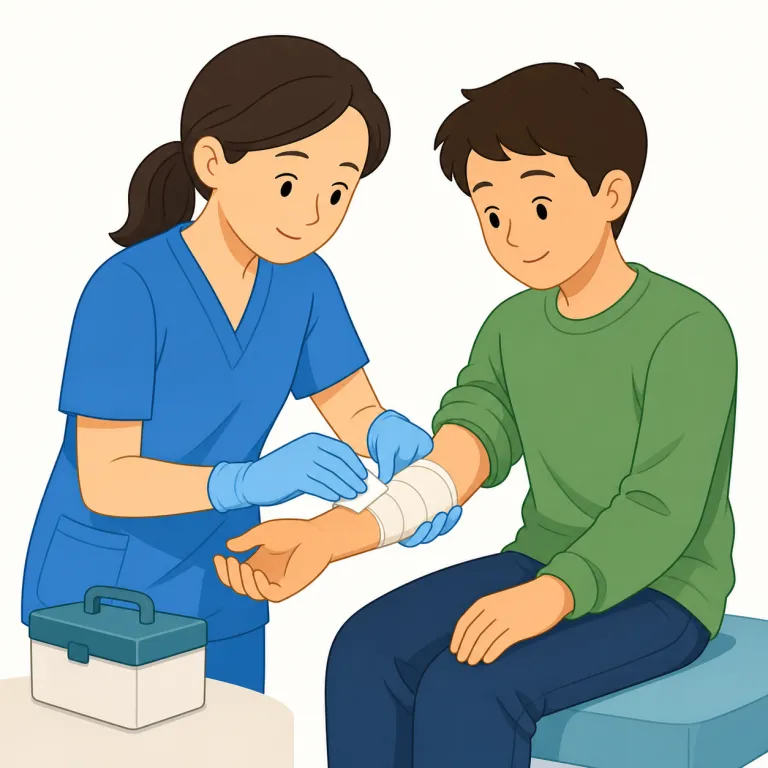
解説 Definition
病気やけがに対して薬や手当てをして、よくしようとする意味。医師や看護師が患者を診る場面で特によく使う。広くは、傷口や材料に必要な処置を施すという感覚でも使われる。
To give medical care to someone or use medicine or other care for an illness or injury. It describes an effort to improve the condition without necessarily making it go away completely.
覚え方のコツ Memory Tip
treat は病気やけがに対して使うと、「必要な処置をしてよくしようとする」という意味になる。treat a fever, treat a wound のように、医師や看護師が症状・傷に手当てを施す場面でまとめて覚えるとよい。名詞の treat「ごほうび」ではなく、この語義では“患者や患部を適切に扱う”ことが中心。cure が「治る・治す結果」まで感じさせるのに対し、treat は薬や手当てという処置に焦点がある。
Picture a doctor caring for a patient, and remember "treat a fever" and "treat a wound." Unlike cure, treat focuses on the care given rather than a successful result.
例文
The doctor treated her fever.
医師は彼女の熱の治療をした。
They treated the wound immediately.
彼らはすぐにその傷を治療した。
This hospital treats sick children.
この病院は病気の子どもを治療している。
もてなす、おごる
(意味 4)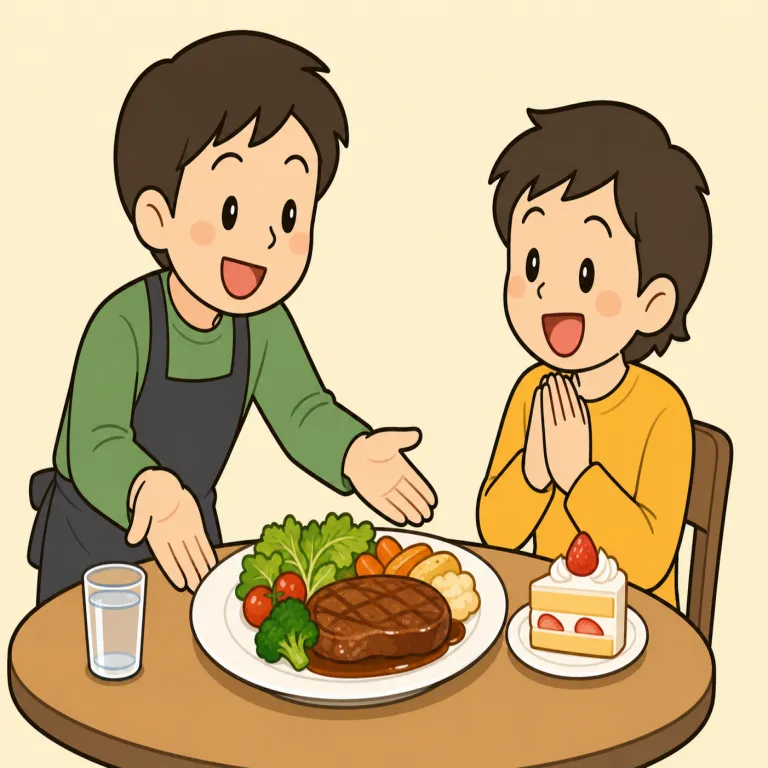
解説 Definition
人に親切にふるまったり、食事や飲み物を自分のお金で提供したりする意味。友人を夕食に招く場面や、「今日は私がおごるよ」と言う場面でよく使う。相手を喜ばせる気持ちがにじむ表現。
To give someone kind hospitality or pay for something enjoyable for them, such as a meal or drink. It suggests wanting to please the other person or make them feel special.
覚え方のコツ Memory Tip
treat はここでは相手を喜ばせるように「もてなす」、または自分がお金を出して「おごる」です。カフェで友人の分まで会計し、I'll treat you to coffee. と言う場面を固定すると覚えやすくなります。「人に物をおごる」は treat 人 to 食事・飲み物という型で、treat us to lunch、treat her to dinner のように使います。一方、客を温かく迎えるなら treat the guests warmly で「客を温かくもてなす」です。buy がお金を払って買う行為を表すのに対し、treat には相手への好意や特別感がある、と押さえましょう。
Imagine paying for your friend's coffee and saying, "I'll treat you to coffee." Remember "treat someone to something" for paying for their enjoyment, and "treat guests warmly" for showing kind hospitality.
例文
She treated us to lunch.
彼女は私たちに昼食をおごってくれた。
I'll treat you to coffee.
コーヒーをおごるよ。
They treated their guests warmly.
彼らは客を温かくもてなした。
treat の類義語・関連語
treat の語源・成り立ち Etymology
古フランス語 traitier(扱う・交渉する)からラテン語 tractare(引く・扱う)に遡る。語根 tract-(引く)は contract(契約)や attract(引きつける)と同源。物事を手元に引き寄せて処理する感覚から、「人や問題を扱う」という意味になった。
The word comes from Old French traitier, meaning "handle" or "negotiate," and ultimately from Latin tractare, meaning "pull" or "handle." Its root is shared with contract and attract.
同じレベルの語彙をもっと
英検準2級の一覧へ →外部辞書で調べる
この英単語をクイズで覚えよう