ばらつき、散布度
noun 名詞統計学で、観測値が平均などの中心からどの程度ばらついているかを表します。varianceやstandard deviationなどで数量化され、物や人が地理的に散らばる一般的な「分散」とは対象と用法が異なります。
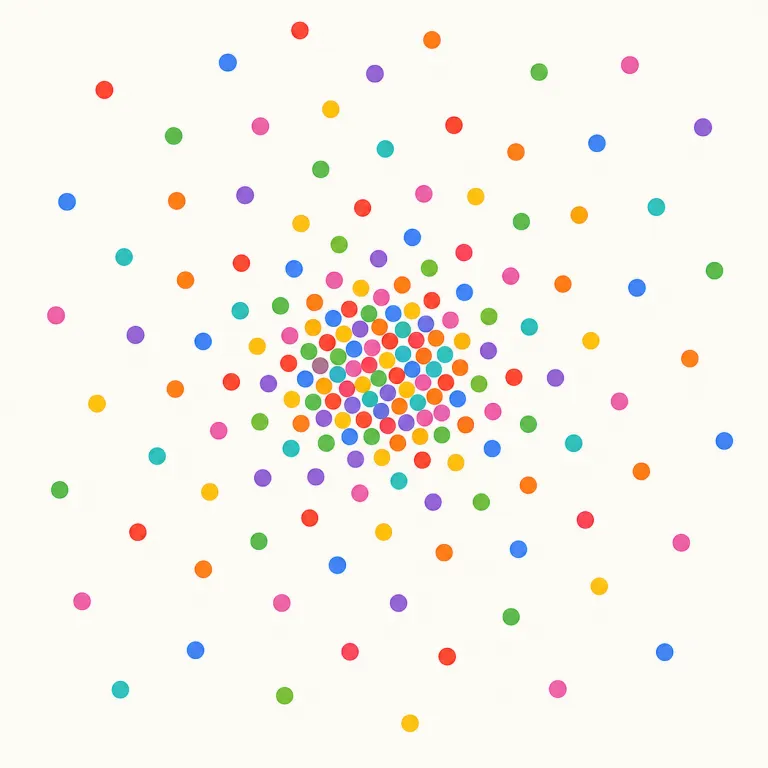
dispersion はTOEFL 80・IELTS 6.5レベルの英単語で、「分散」という意味があります。発音記号は /dɪˈspɜrʒən/ です。
分散とは、一つのグループやまとまった状態が、複数の場所や方向に広がることを示しています。物や人が様々な場所に散らばる状態を表しています。
Dispersion is the process of spreading things out over an area or through a space. It is commonly used in science, statistics, and discussions about movement or distribution. The word often focuses on how widely something is scattered rather than kept together.
disperse の名詞形として覚えると定着しやすい語です。まず disperse = 散らばる・散らす を押さえ、-ion が付いて「散らばっている状態・散らすこと」と見ると dispersion が取りやすくなります。人や粒子や光が一か所に集まらず広がる場面でよく使われ、統計では values are widely spread の感覚で理解するとよいです。discussion などと形が少し似て見えるので、中心の pers が “spread apart” の仲間だと意識すると混同しにくくなります。
Learn it through the verb `disperse`, then add `-ion` for the noun form. That makes `dispersion` the state or process of things spreading out instead of staying together. It is useful to picture people, particles, or numbers scattered over a wide area.
The dispersion of seeds helped the plant species spread across the region.
種の分散は植物種が地域全体に広がるのを助けた。
Light dispersion through a prism creates a rainbow effect.
プリズムによる光の分散は、虹のような色の広がりを生む。
The map shows the dispersion of the population across the region.
地図は、その地域全体に人口が分散している様子を示している。
この語をはじめて出題された 38人 のうち 34人 が正解しました(89%)。
えいたんごクイズの回答から集計した独自データです。1人につき最初に出題されたときの1回だけを数えており、復習や2回目以降の回答、「わからない」と時間切れは含みません。 集計時点は 2026年9月19日 です。
文脈によって、次の意味でも使われます。
統計学で、観測値が平均などの中心からどの程度ばらついているかを表します。varianceやstandard deviationなどで数量化され、物や人が地理的に散らばる一般的な「分散」とは対象と用法が異なります。
dispersion はラテン語 dispersio に由来し、dis-「離れて」+ spargere「まき散らす」+ -ion「こと」から成ります。つまり「ばらばらに散らすこと」が核で、そこから物理でも統計でも「分散」の意味へ広がりました。関連語に disperse, sparse があります。
Dispersion comes from Latin dispersio, from dis- meaning "apart" and spargere meaning "scatter." Its core idea is the act of spreading things in different directions. Later, this developed into more technical uses in fields like physics and statistics. Related words include disperse and sparse.
この英単語をクイズで覚えよう