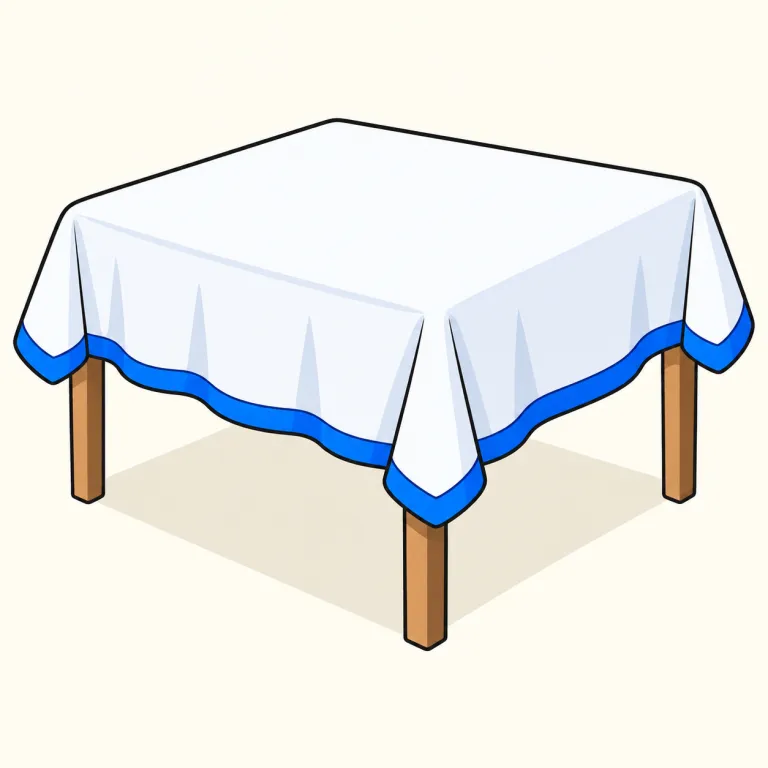
縁取り
解説 Definition
edging は edge(縁を付ける、端を整える)の動名詞・現在分詞です。名詞としては、布や庭などの端につける縁取りや仕上げ部分を指します。
Edging is a narrow border or finishing material placed along the edge of fabric, a path, a garden bed, or another object. It can decorate the edge, strengthen it, or create a neat boundary.
覚え方のコツ Memory Tip
edging は edge「端を整える、縁を付ける」に -ing を加えた形で、語末の e を落として edging となります。布の飾り、花壇の石、道の境界など、中心部分を囲む細い仕上げを思い浮かべましょう。blue edging、stone edging のように素材や色と組み合わせ、単なる edge「端」ではなく付加された縁取りを表します。
Begin with edge, meaning the outer boundary of something. When -ing is added, the final silent e is dropped: edge becomes edging. As a noun, edging is usually a strip or line added along that boundary, not simply the boundary itself. Picture silver edging on a curtain, blue edging around a tablecloth, or stones separating a garden path from a flower bed. Material or color often comes before it, as in stone edging or decorative edging. This image helps connect its decorative and practical uses.
例文
The blue edging made the white tablecloth look brighter.
青い縁取りで白いテーブルクロスがより明るく見えました。
She added silver edging to the curtain.
彼女はカーテンに銀色の縁取りを加えました。
The garden path had neat stone edging.
庭の小道にはきちんとした石の縁取りがありました。
edging の類義語・関連語
edging の語源・成り立ち Etymology
古英語 ecg(刃、端)が起源で、ゲルマン祖語 *agjō に遡る。刃物の鋭い「縁」が原義で、そこから物の端や境界線の意味に拡大した。関連語:edge(端)、edgy(尖った、神経質な)。縁を飾る・整える動作から「縁取り」の意味が派生。
Edging is formed from edge and -ing, with the final silent e removed. Edge comes from Old English ecg, which meant a cutting edge, blade, or border, and has cognates in other Germanic languages. The sense broadened from the sharp side of a blade to any outer limit or boundary. Edging then developed as a name for material or finishing placed along such an edge.
同じレベルの語彙をもっと
外部辞書で調べる
この英単語をクイズで覚えよう