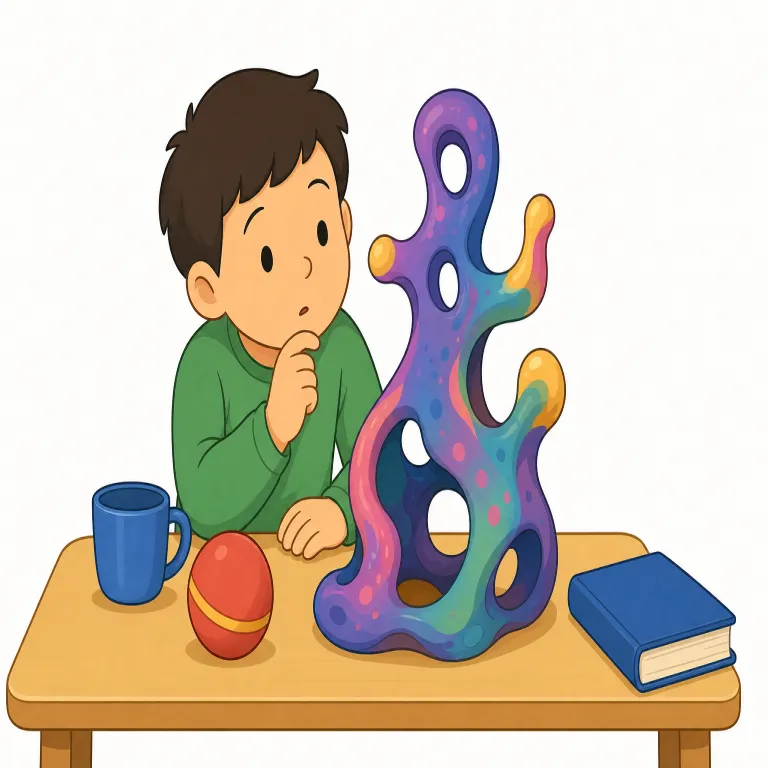
unfamiliar
unfamiliar はTOEIC 860・TOEFL 80・IELTS 6.5レベルの英単語で、「馴染みのない」という意味があります。発音記号は /ʌnfəˈmɪljər/ です。
馴染みのない
解説 Definition
よく知らない、見慣れていない、またはまだ馴染みがない様子を表します。場所・人・方法・情報などに対して使い、技能が未熟というより「経験や接触が少なく、しっくりこない」ことに焦点があります。
If something is unfamiliar, you do not know it well or it seems new or strange to you. It is often used for places, words, customs, faces, or situations. The word describes a lack of experience or recognition, not something necessarily bad.
覚え方のコツ Memory Tip
familiar を「見慣れた・よく知った」として先に固めると覚えやすいです。be familiar with ... で「〜に詳しい/〜に慣れている」が基本で、そこに否定の un- が付いて unfamiliar。「意味をひっくり返すだけ」と考えると定着します。人・場所・やり方などに広く使え、unfamiliar faces, an unfamiliar city, unfamiliar with the process の形で覚えると実戦的です。unknown が単に「知らない」なのに対し、unfamiliar は「見聞きしてもしっくりこない・慣れていない」感じまで含みます。
Build this from `familiar`. If `be familiar with` means you know or are used to something, then `unfamiliar` is simply the negative form. It helps to remember real combinations like `unfamiliar faces` or `unfamiliar with the process`, because the word is often about lack of experience, not just lack of knowledge.
例文
I am unfamiliar with this software.
私はこのソフトウェアに不慣れです。
She was unfamiliar with the city streets.
彼女はその街の通りに慣れていませんでした。
They were unfamiliar with the customs of the country.
彼らはその国の習慣に不慣れでした。
unfamiliar の類義語・関連語
unfamiliar の語源・成り立ち Etymology
unfamiliar は un-「〜でない」+ familiar「親しい」から成り、familiar はラテン語 familiaris「家の者の」に由来します。もともと「家の者のようによく知る」が核なので、un- が付くと「親しく感じられない」つまり「見慣れない」と分かり、family も同根です。
Unfamiliar is made from un- "not" and familiar. Familiar comes from Latin familiaris, meaning "of a household" or "belonging to a family." Because people in the same household were well known to one another, the word developed the sense of "well known" or "close." With un-, it became the idea of something not known well or not recognized. Family is a related word.
同じレベルの語彙をもっと
TOEIC 860の一覧へ →外部辞書で調べる
この英単語をクイズで覚えよう