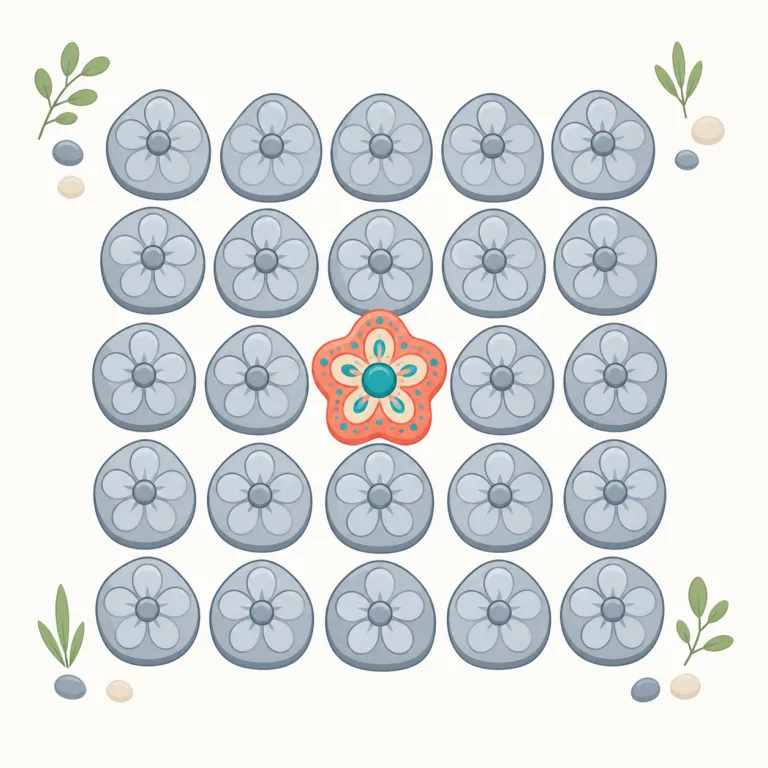
uncommon
uncommon は英検準1級・TOEIC 860・TOEFL 80・IELTS 6.5レベルの英単語で、「珍しい」という意味があります。発音記号は /ʌnˈkɑːmən/ です。
珍しい
解説 Definition
一般的ではなく、見つけることが難しい珍しい状態を表します。多くの人には馴染みがない、頻繁でない性質を指します。
Uncommon means not usual or not often seen, heard, or found. It is used for things that are rare compared with normal experience, but not necessarily extremely rare. The word is often used in a neutral, factual way.
覚え方のコツ Memory Tip
common(よくある・普通の)に否定の un- が付いた形なので、まず「common ではない」と分解すると覚えやすいです。意味は rare に近いですが、uncommon は「ゼロではないが、普通ではない」という感触で、やや客観的に頻度の低さを述べる語です。an uncommon name / uncommon talent のように、名前・才能・出来事と結びつけて覚えると定着します。unusual とも近いですが、unusual は「変わっている」感じがやや出やすい点も区別の助けになります。
This is a simple opposite: `un-` + `common`. So think, "not common, not usual." It often sounds more neutral than `unusual`, so remember examples like `an uncommon name` or `uncommon talent`.
例文
It is uncommon to find snow in this region during winter.
この地域では、冬に雪を見かけることは珍しいです。
Her talent for music is uncommon among people her age.
彼女の音楽の才能は同年代の中でも珍しいです。
It was uncommon for him to arrive late to work.
彼が仕事に遅刻することは珍しいことでした。
えいたんごクイズでの正答率
この語をはじめて出題された 41人 のうち 39人 が正解しました(95%)。
えいたんごクイズの回答から集計した独自データです。1人につき最初に出題されたときの1回だけを数えており、復習や2回目以降の回答、「わからない」と時間切れは含みません。 集計時点は 2026年9月19日 です。
uncommon の類義語・関連語
uncommon の語源・成り立ち Etymology
uncommonは否定のun-にcommonが付いた語で、commonは古フランス語commun、さらにラテン語communis「皆で共有の」に由来します。みんなのものではない、つまり広く普通ではないと考えると意味がつながり、communityやcommuneも同じ語根です。
Uncommon is made from *un-* "not" and *common*. *Common* came into English through Old French from Latin *communis*, meaning "shared by all" or "public." From the idea of something not shared or not usual among everyone, *uncommon* developed the sense of rare or not ordinary; related words include *community* and *commune*.
同じレベルの語彙をもっと
英検準1級の一覧へ →外部辞書で調べる
この英単語をクイズで覚えよう