unique
unique は英検準2級・TOEIC 730・TOEFL 60・IELTS 5.5レベルの英単語で、「ユニークな、唯一の」という意味があります。発音記号は /juˈniːk/ です。
意味一覧 (2件)
ユニークな
解説 Definition
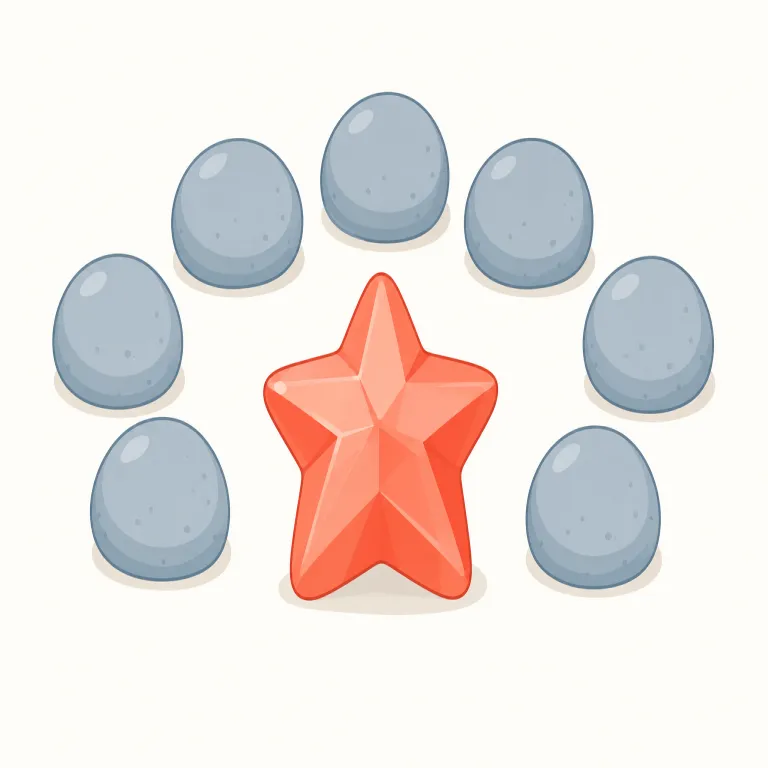
他のものとは異なり、独特で特別な、個性的な特徴を持つ。唯一無二で、他に類がないことを表す。
Unique means being the only one of its kind or being very different from everything else. It is used to describe people, things, styles, or qualities that stand out. In careful use, it suggests something truly special, not just interesting or unusual.
覚え方のコツ Memory Tip
uni- は「1つ」の感覚。unicycle(一輪車)や uniform(形が1つにそろう)と同じ発想で、unique も「1つしかない」→「他にない、独特な」。だから単に funny / strange ではなく、代わりがない特別さを表す語。special は「特別」、distinctive は「特徴が目立つ」、unique は「唯一無二」に近いと並べると整理しやすいです。a unique feature, unique to this area が頻出。なお very unique は避けられることも多いです。
Notice the prefix `uni-`, which means `one`, as in `unicycle`. That gives `unique` the core idea of `one of a kind`, not just funny or strange. Think of phrases like `a unique feature` or `unique to this area` to remember that it points to something with no real equal.
例文
This hat is unique.
この帽子はユニークです。
Her bag looks unique.
彼女のバッグはユニークに見えます。
I like your unique cup.
あなたのユニークなカップが好きです。
えいたんごクイズでの正答率
この語をはじめて出題された 59人 のうち 59人 が正解しました(100%)。
えいたんごクイズの回答から集計した独自データです。1人につき最初に出題されたときの1回だけを数えており、復習や2回目以降の回答、「わからない」と時間切れは含みません。 集計時点は 2026年9月19日 です。
唯一の
(意味 2)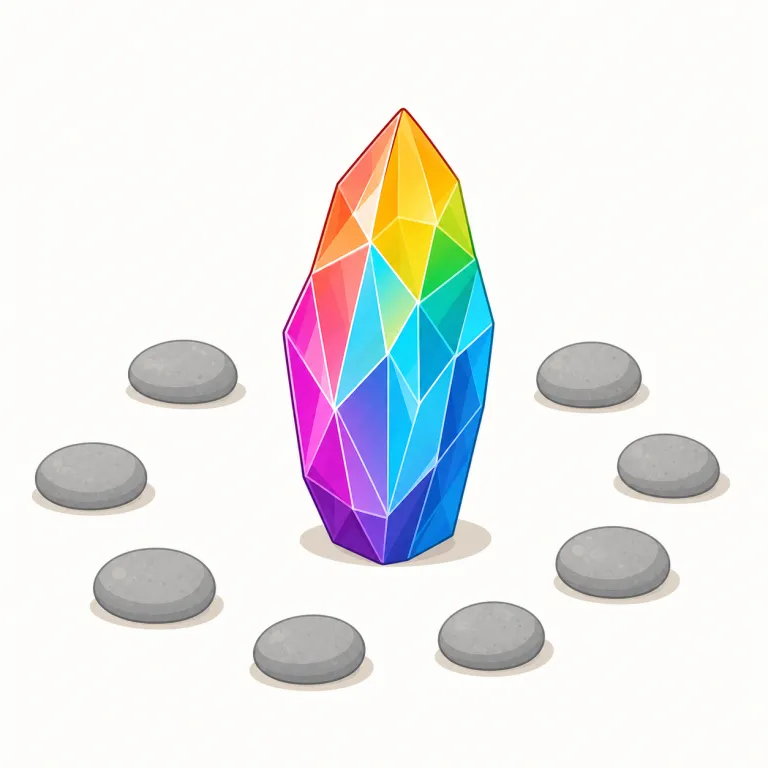
解説 Definition
「ただ一つしかない」「同じものがほかに存在しない」という意味の形容詞です。人・物・記録・立場などについて、代わりになるものがないことや、その対象にしか見られない性質を述べるときに使われます。『独特な』よりも、まず唯一性そのものに重点があります。
Being the only one of its kind, with no other exactly like it. It can also describe something found only in a particular place or belonging only to a particular person or thing.
例文
This key is unique in the world.
この鍵は世界に一つしかない。
The diary is a unique record of life in the village.
その日記は村での暮らしを伝える唯一の記録だ。
This plant is unique to the island.
この植物はその島にしか存在しない。
unique の類義語・関連語
unique の語源・成り立ち Etymology
ラテン語 unicus(唯一の)から。uni-(一つ)に形容詞接尾辞 -icus が付いた形。union(統合)や uniform(均一な)と同根。「一つしかない」が原義で、そこから「他に類を見ない、独特な」という現在の意味が生まれた。
Unique comes from Latin unicus, meaning "only one," built from unus "one." Its earliest idea was simply singleness or being the sole example. From that, it developed into the modern sense of being unlike anything else, and it is related to words such as union and uniform.
同じレベルの語彙をもっと
英検準2級の一覧へ →外部辞書で調べる
この英単語をクイズで覚えよう