
sole
sole は英検2級レベルの英単語で、「唯一の、靴底、足の裏」という意味があります。発音記号は /ˈsoʊl/ です。
意味一覧 (3件)
唯一の
解説 Definition
ただ一つだけである、または他に同じものがない状態を表します。唯一の、比較対象がない独特なものを意味します。
Sole means only one and no other. It is used to show that a person, thing, or reason is unique in a situation. This word is common in formal or written English.
覚え方のコツ Memory Tip
solo を知っていれば、sole も「1つだけ」の感覚でつかみやすい。only に近いが、sole は「それ以外に候補がない唯一の」と限定が強く、責任・権利・原因が1つに絞られる場面でよく使う。the sole reason, sole owner, sole survivor, sole source のまとまりで覚えると定着しやすい。single は数が1つ、only は単なる限定、sole は『唯一の該当者・手段』という響き。名詞では『足の裏』もあるので、形だけで判断せず文中の役割で見分ける。
Link `sole` with `solo`: both give the idea of just one. `Sole` is strong and exclusive, often used in phrases like `sole reason`, `sole owner`, and `sole survivor`. Watch out, because `sole` can also be a noun in other contexts.
例文
He is the sole owner.
彼が唯一の持ち主です。
This is my sole reason.
これが私の唯一の理由です。
She has the sole key.
彼女が唯一の鍵を持っています。
えいたんごクイズでの正答率
この語をはじめて出題された 37人 のうち 32人 が正解しました(86%)。
えいたんごクイズの回答から集計した独自データです。1人につき最初に出題されたときの1回だけを数えており、復習や2回目以降の回答、「わからない」と時間切れは含みません。 集計時点は 2026年9月19日 です。
靴底
(意味 2)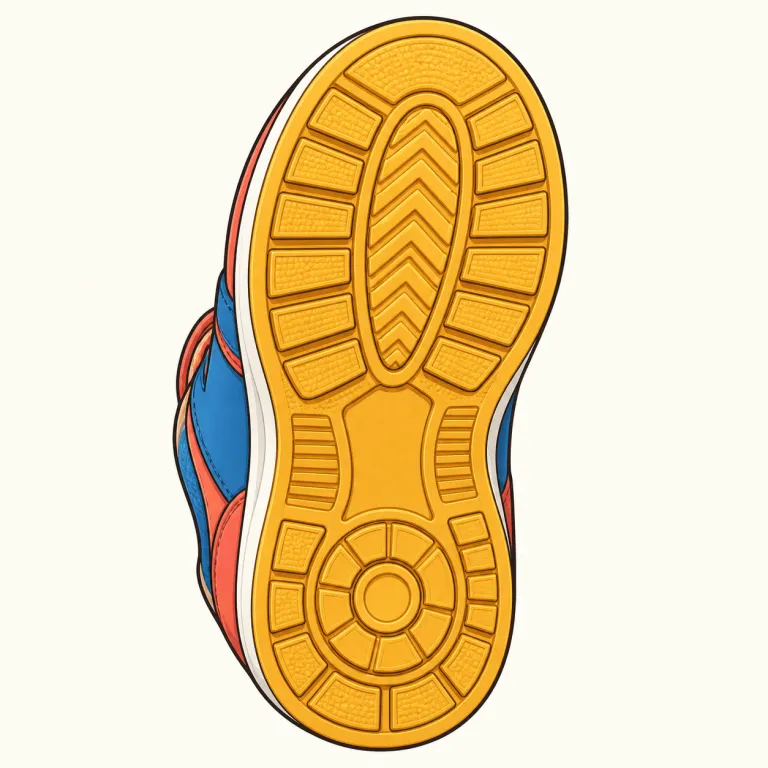
解説 Definition
靴やブーツのいちばん下にある部分を指す名詞。地面に接して減りやすく、すべり止めや厚さ、素材の話をするときによく使う。靴屋での修理、登山靴の性能、雨の日の歩きやすさを説明する場面で自然に現れる。
The bottom part of a shoe or boot that touches the ground. Its material and thickness affect grip and comfort, and it can wear out with use.
覚え方のコツ Memory Tip
靴の sole は「足の下にある面」とセットで覚えると定着しやすい。shoe sole, rubber sole, thick sole のように、地面に直接触れる靴のいちばん下の部分を指す。靴本体ではなく、すり減ったり、はがれたり、滑り止めになったりする部分だと押さえるとよい。形容詞の sole「唯一の」と同じつづりだが、靴の話なら「靴底」と文脈で見分ける。
Picture the layer underneath a shoe that presses against the ground with every step. Learn shoe sole, rubber sole, and thick sole, imagining the part that can wear thin or come loose.
例文
The sole of my shoe is coming off.
靴底がはがれかけている。
These boots have thick rubber soles.
このブーツには厚いゴムの靴底が付いている。
The shop put new soles on my shoes.
店は私の靴に新しい靴底を付けた。
足の裏
(意味 3)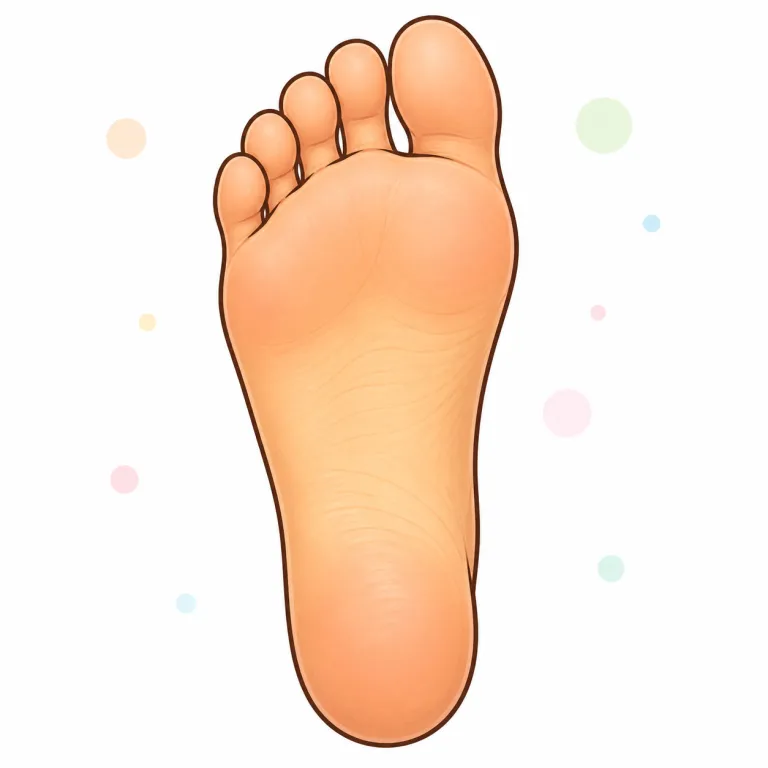
解説 Definition
足の下側の面を指し、立つ・歩く・走るときに地面に触れる部分をいう。痛み、汚れ、汗、感覚など体の状態を述べる場面でよく使われる。マッサージやけがの説明、医療の文脈でも自然に使える語である。
The underside of the foot that touches the ground when you stand or walk barefoot. This noun is used when describing sensations, pain, dirt, or injuries on that surface.
覚え方のコツ Memory Tip
足の sole は「足の下にある面」とセットで覚えると定着しやすい。the sole of the foot, the soles of my feet のように、立つ・歩くときに地面側になる足の裏を指す。手のひら palm に対応する、足の下側の面だと考えるとよい。形容詞の sole「唯一の」と同じつづりだが、体の話なら「足の裏」と文脈で見分ける。
Think of the palm as the inner surface of your hand and the sole as the surface underneath your foot. Learn the sole of the foot and the soles of my feet while picturing bare feet pressing against the ground.
例文
Hot sand burned the soles of my feet.
熱い砂で足の裏が焼けるように痛んだ。
She washed the sole of her foot.
彼女は足の裏を洗った。
The sole of my foot hurt.
足の裏が痛かった。
sole の類義語・関連語
sole の語源・成り立ち Etymology
soleは古フランス語soulを経て、ラテン語solus『ただ一つの』に由来する。語根sol-には『ひとり・単独』の感覚があり、他と並ばないことから『唯一の』という意味になった。関連語はsolo、solitary。
Sole comes through Old French from Latin solus, meaning "only" or "alone." The root carries the idea of being by oneself, with no equal or companion. From that sense, sole came to mean "one and only." Related English words include solo and solitary.
同じレベルの語彙をもっと
英検2級の一覧へ →外部辞書で調べる
この英単語をクイズで覚えよう