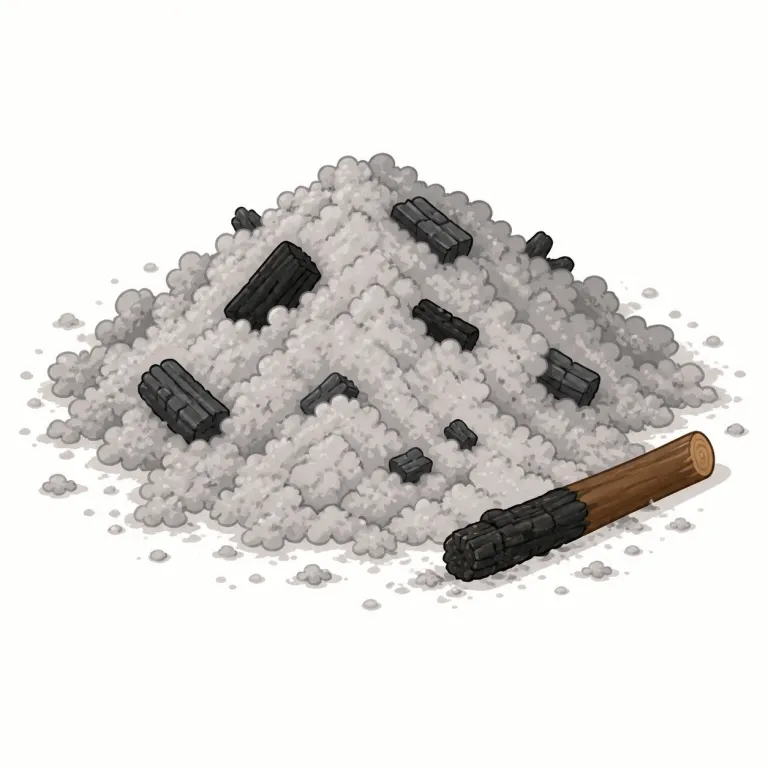
ash
ash はTOEIC 860・TOEFL 80・IELTS 6.5レベルの英単語で、「灰」という意味があります。発音記号は /æʃ/ です。
灰
解説 Definition
木、紙、石炭、たばこなどが燃えたあとに残る、細かい粉状または粒状の残留物を指す語。火山の噴出物として空から降る灰にも使われる。通常は不可算名詞として扱われるが、種類や量を意識して複数形になることもある。
Ash is the soft gray or black powder left after something burns. It is commonly talked about after a fire, in a cigarette, or in cooking. The word is usually uncountable when it means this powder in general.
覚え方のコツ Memory Tip
ash は「燃えて最後に残る灰」という1場面で固定すると覚えやすい。campfire ash, cigarette ash, volcanic ash のように、焚き火・たばこ・火山灰まで同じ語でつながる。ashtray=灰皿を知っておくと日常語としても引っかかりやすい。dust は普通のほこり、smoke は燃えている最中の煙、ash は燃えたあとの残り、という対比で整理すると混同しにくい。不可算で扱うことが多いので、机に落ちた灰を払う場面や burn to ash の形まで一緒に覚えると定着する。
Link ash to one clear scene: something burns, and ash is what stays after the fire. That helps you separate it from smoke during the fire and dust from ordinary dirt. Common phrases like cigarette ash, volcanic ash, and ashtray make the word easier to catch in real life.
例文
The ash from the volcano covered the entire city.
火山灰が街全体を覆った。
A thin layer of ash covered the fireplace.
暖炉は薄い灰の層で覆われていた。
The ash tray was full of cigarette butts.
灰皿はたばこの吸い殻でいっぱいだった。
ash の類義語・関連語
ash の語源・成り立ち Etymology
古英語 æsce(灰)に由来し、ゲルマン祖語 *askō にさかのぼる。火で燃えた後に残る物質を指す最も古い英単語の一つ。関連語: ashtray(灰皿)、ashen(灰色の・青ざめた)。燃焼後の残留物という原義がそのまま現代に受け継がれている。
Ash comes from Old English æsce, from Proto-Germanic *asko. It is one of the oldest English words for the material left after fire. The basic idea, the remains of something burned, has stayed almost unchanged into modern English. Related words include ashen.
同じレベルの英単語をもっと
TOEIC 860の一覧へ →外部辞書で調べる
この単語を英単語クイズで覚えよう