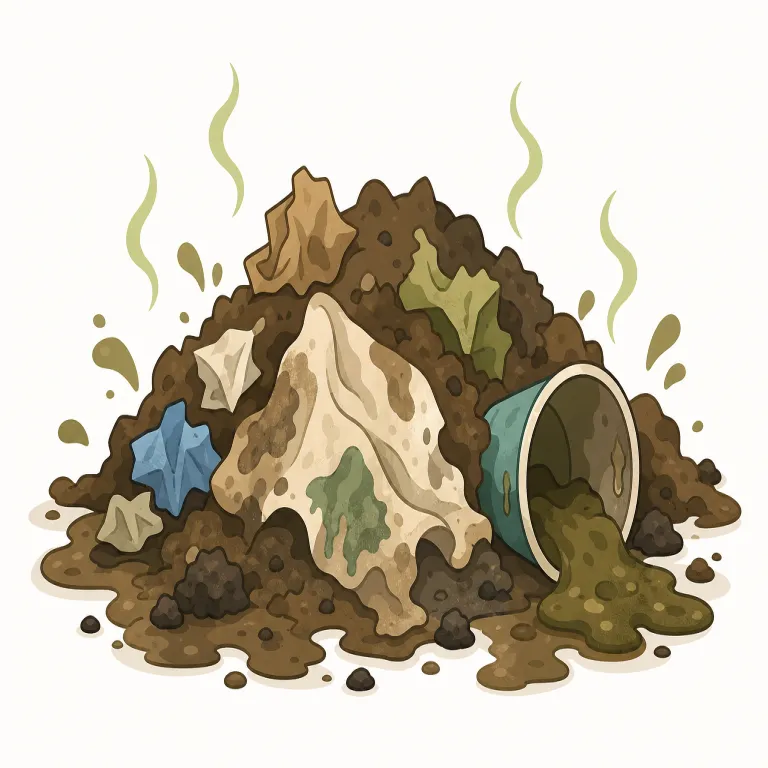
汚物
解説 Definition
フィルスとは、非常に不潔なものや汚物、ゴミを指す言葉です。身体的な汚れだけでなく、道徳的または精神的な汚らわしさを表す際にも使われます。強い嫌悪感を伴う表現であり、不衛生な環境や不道徳なコンテンツを指すこともあります。
Filth means very dirty matter, waste, or an extreme state of uncleanliness. It can refer to physical dirt and garbage, but it is also used for offensive language, immoral content, or disgusting behavior. The word is strong and often expresses disgust.
覚え方のコツ Memory Tip
まず filthy「ものすごく汚い」を先に押さえると覚えやすいです。filth はその名詞形で、「汚れている状態」より一段強く、「見たくもない汚物・不潔さ」そのものを指します。dirty や dirt より嫌悪感が強く、garbage が単なるゴミなのに対し、filth はベタつきや腐敗まで連想させる語。a room full of filth のように環境の不潔さで出やすく、moral filth のように比喩で“下劣さ”にも広がる、とセットで覚えると定着します。
Start from `filthy`, which is a more common word. `Filth` is the noun, and it sounds stronger than ordinary `dirt` or `mess`. It can describe both real dirty matter and disgusting online or moral content, so link it with both physical and social contexts.
例文
He complained that the internet was spreading filth that corrupted young minds.
彼はインターネットが若者の心を堕落させるような下劣な内容を広めていると不満を述べた。
The workers wore gloves while removing filth from the basement.
作業員たちは地下室から汚物を取り除く間、手袋を着けていた。
No one should have to live among such filth.
誰もそのような不潔な環境で暮らすことを強いられるべきではない。
filth の類義語・関連語
filth の語源・成り立ち Etymology
filth は古英語 fylð「不潔さ」に由来し、語幹は foul「腐った・不潔な」です。foul や filthy と同根で、もともと「腐って感覚を害するもの」という核があるので、単なる汚れでなく強い嫌悪感を伴う語だと見えてきます。
Filth comes from Old English fylth, meaning foulness or uncleanness. It is closely related to foul and filthy, which share the same old Germanic root. The original idea was not just dirt, but something rotten or unpleasant enough to offend the senses. That is why filth still carries a strong feeling of disgust.
同じレベルの語彙をもっと
外部辞書で調べる
この英単語をクイズで覚えよう