無機的な
解説 Definition
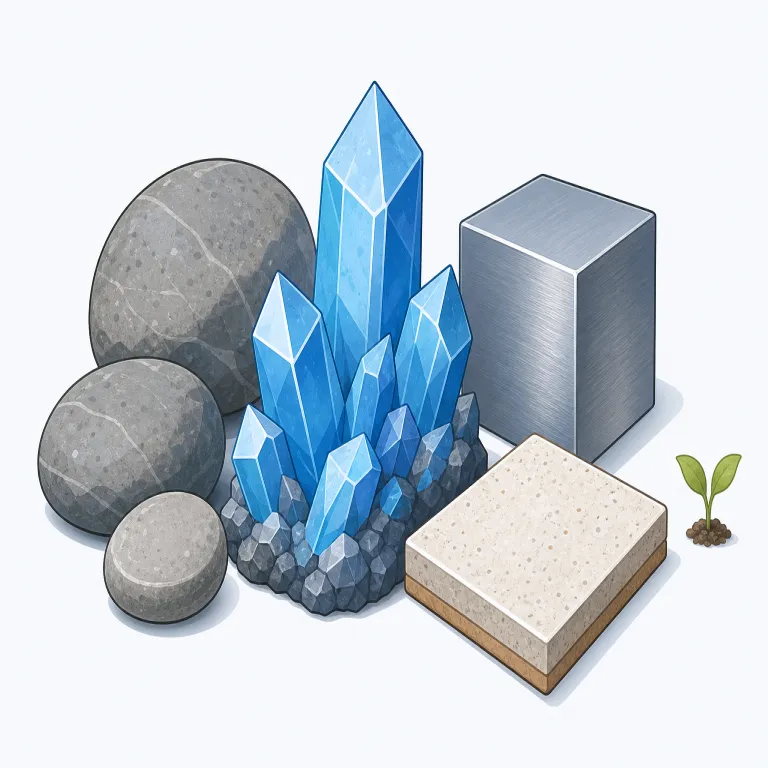
化学では、有機化合物に分類されない物質や化合物を表す形容詞です。炭素を含まないという単純な意味ではなく、炭酸塩や二酸化炭素のように炭素を含んでも無機に分類されるものがあります。比喩的には、生命感や自然なつながりが乏しく、機械的で冷たい感じを表すこともあります。
Inorganic usually means not coming from living things, especially in chemistry and science. It is used for materials such as metals, minerals, and certain chemical substances. In a more general sense, it can also describe something that feels unnatural, stiff, or not well connected.
覚え方のコツ Memory Tip
organic を知っていれば、先頭の in- で「organic ではない」と押さえられます。ただし化学では「炭素がない」と決めつけず、有機化学の対象ではない物質という分類で覚えるのが正確です。inorganic chemistry, inorganic fertilizer のような定番表現で、「無機の」と結びつけると残りやすいです。比喩では organic な生命感や自然なまとまりがない、という冷たさのイメージに広げられます。
Use `organic` and `inorganic` as a contrast pair. If `organic` feels natural, warm, and connected, `inorganic` feels cold, stiff, and mechanical. That contrast helps in phrases like `an inorganic response` or `an inorganic organization`.
例文
The inorganic materials were tested for their durability.
無機物質はその耐久性を調べるために試験されました。
The painting had an inorganic, cold quality that unsettled viewers.
その絵は無機的で冷たい質感があり、見る人を不安にさせました。
Chemistry can be divided into organic and inorganic branches.
化学は有機化学と無機化学の2つの分野に分けられます。
inorganic の類義語・関連語
inorganic の語源・成り立ち Etymology
inorganic は英語で in-「〜でない」+ organic から成る語です。organic はギリシャ語 organon「器具・器官」→ラテン語 organicus を経た語で、「生命の器官に属さない」から「無機の」の意味になりました。関連語は organism, organ です。
Inorganic is formed in English from in- meaning "not" and organic. Organic goes back through Latin organicus to Greek organon, meaning "tool" or "organ." From the idea of belonging to living organs or living structure, organic developed its modern sense, and inorganic came to mean "not belonging to living matter." Related English words include organ and organism.
同じレベルの英単語をもっと
外部辞書で調べる
この単語を英単語クイズで覚えよう