挙動、性質
noun 名詞機械・物質・市場などが、特定の条件のもとでどのように動き、変化し、反応するかを指します。the behaviour of a material のように使い、人の意識的な行動ではなく、観察できる働きや反応を表します。
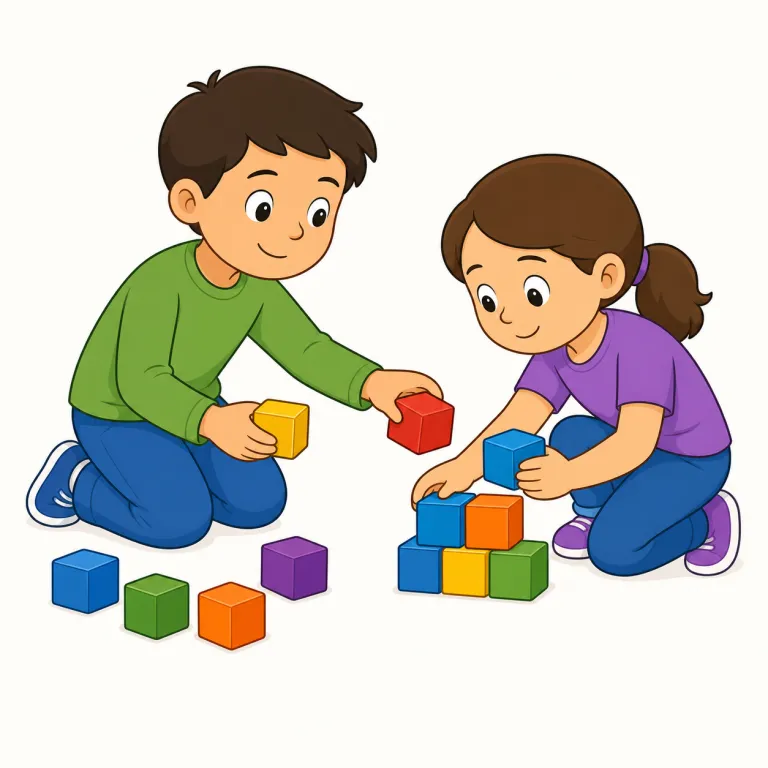
人間が意識的に行う行為や動作、または行動の仕方を指す。個人の習慣や態度など、様々な文脈で使われます。
Behaviour is the way a person or animal acts. It is often used when talking about manners, reactions, or patterns of action in different situations. This is the British spelling; the American spelling is "behavior."
まず behave(振る舞う)を知っていれば、その名詞版が behaviour と考えると入りやすいです。意味は単発の「行為」より広く、その人の普段の振る舞い方・態度・習慣まで含むのがポイント。だから good behaviour, bad behaviour, children's behaviour のように、人や集団の様子をまとめて述べる場面でよく出ます。action が一回ごとの動作に寄りやすいのに対し、behaviour は継続的なふるまいの印象。なお英国綴りは behaviour、米国綴りは behavior なのでセットで覚えると混乱しません。
Start from the verb `behave`, then `behaviour` is the noun form. It usually means a person's usual way of acting, not just one single action. Also remember the spelling difference: British `behaviour`, American `behavior`.
Good behaviour makes school better for everyone.
よい行動をすると、みんなが学校で気持ちよく過ごせます。
His behaviour is very kind.
彼の行動はとても親切です。
Bad behaviour makes Mom sad.
悪いことをすると、お母さんが悲しみます。
文脈によって、次の意味でも使われます。
機械・物質・市場などが、特定の条件のもとでどのように動き、変化し、反応するかを指します。the behaviour of a material のように使い、人の意識的な行動ではなく、観察できる働きや反応を表します。
中英語 behavour で、接頭辞 be-(徹底的に)+ have(持つ、振る舞う)から成る。古英語 habban を経由し「自らをある状態に保つこと」が原義。関連語: behave(振る舞う)、have(持つ)。英国綴り -our はフランス語経由の影響で、米国綴りは behavior。
Behaviour comes from behave with the noun ending -iour/-our. Behave was formed from be- and have, with the older sense of "conduct oneself" or "hold oneself in a certain way." So behaviour originally meant the way a person carries or manages themselves. The British spelling is behaviour, while American English usually writes behavior.
この英単語をクイズで覚えよう