dire
dire は英検1級・TOEIC 860・TOEFL 80・IELTS 6.5レベルの英単語で、「悲惨な、深刻な、切迫した」という意味があります。発音記号は /ˈdaɪɚ/ です。
意味一覧 (2件)
悲惨な
解説 Definition
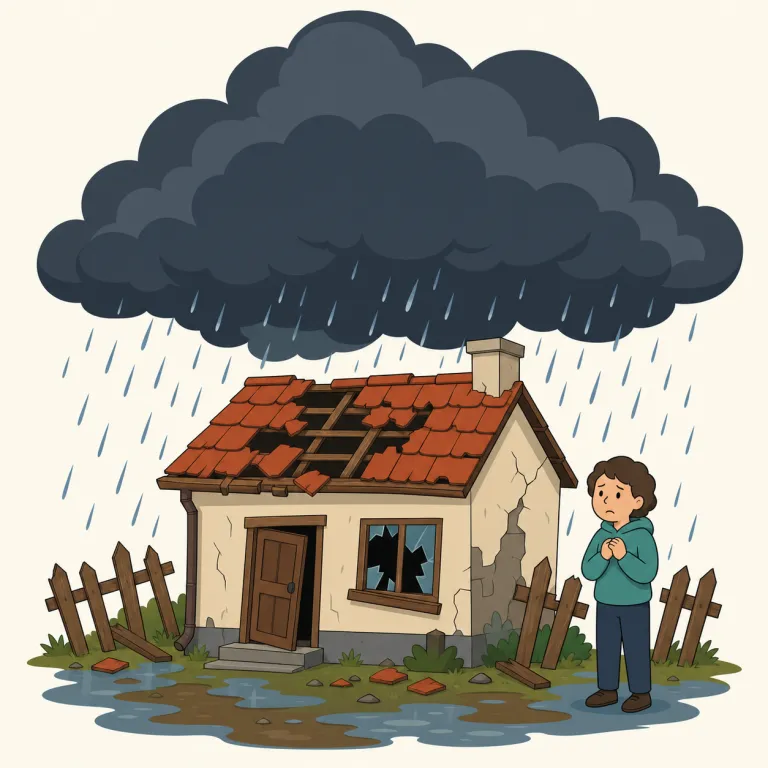
悲惨な(ひさんな)とは、非常に不幸で、悪い状況や結果を指します。痛ましく、悲しい状況を表す強い表現です。
Dire means extremely serious, terrible, or urgent. It is often used for situations such as danger, need, or problems that may have very bad results. The word has a strong tone and is more formal than simple words like bad.
覚え方のコツ Memory Tip
serious や bad の上位版として覚えると残りやすい語。dire は「ただ悪い」ではなく、放置すると重大な結果になる、破局寸前のような切迫した深刻さを帯びる。dire situation, dire warning, dire consequences のように、危機・警告・結果と結びつきやすい。特に in dire need of ... は頻出で「〜を切実に必要としている」。grave と近いが、dire のほうが状況の悪さがよりむき出しで強い。
Think of `dire` as stronger than just `bad` or `serious`. It often appears with danger words like `dire warning`, `dire situation`, or `dire consequences`. A very common pattern is `in dire need of`, so that phrase is a useful memory anchor.
例文
The accident had dire consequences.
その事故は悲惨な結果をもたらした。
The patient's condition became dire.
患者の状態は深刻に悪化した。
The region is facing a dire shortage of clean water.
その地域は飲料水の深刻な不足に直面している。
えいたんごクイズでの正答率
この語をはじめて出題された 39人 のうち 23人 が正解しました(59%)。
えいたんごクイズの回答から集計した独自データです。1人につき最初に出題されたときの1回だけを数えており、復習や2回目以降の回答、「わからない」と時間切れは含みません。 集計時点は 2026年9月19日 です。
深刻な、切迫した
(意味 2)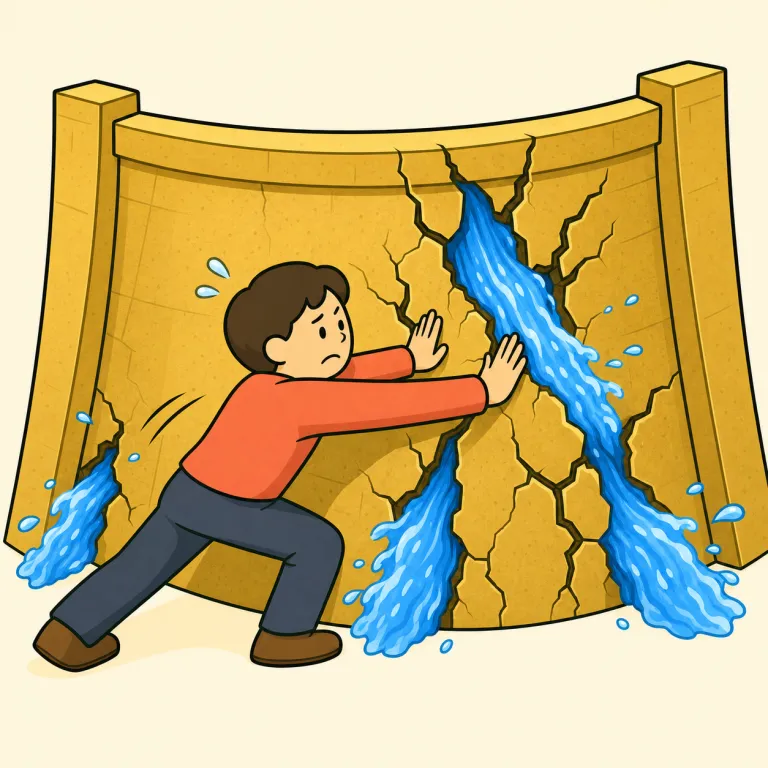
解説 Definition
問題や状況が非常に悪く、放置できないほど深刻であることを表す形容詞です。dire need、dire warning、dire situation のように、強い危機感や差し迫った感じを伴う文脈でよく使われます。既存の「悲惨な」よりも、特に深刻さや緊急性を強調する語義です。
Extremely serious or urgent, with the possibility of very harmful results. It describes severe situations, urgent needs, and warnings about major danger.
例文
The country is in dire need of doctors.
その国は医師を切実に必要としている。
We face a dire situation if the dam fails.
もしダムが決壊すれば、私たちは深刻な状況に直面する。
Scientists issued a dire warning about water shortages.
科学者たちは水不足について深刻な警告を出した。
dire の類義語・関連語
dire の語源・成り立ち Etymology
dire はラテン語 dirus「不吉な、恐ろしい」に由来し、語の分解よりも語感そのものが核です。もとは『見るだけで凶兆を感じる』ほどの強い不安を表し、dire warning が単なる警告でなく破局級の深刻さを帯びる理由がわかります。関連語は direful、direness。
Dire comes from Latin dirus, meaning "fearful," "ominous," or "dreadful." It was borrowed into English with that strong feeling still attached. Over time, it came to describe situations that seem extremely serious or full of danger, not just frightening in appearance. Related forms include direful and direness.
同じレベルの語彙をもっと
英検1級の一覧へ →外部辞書で調べる
この英単語をクイズで覚えよう