意味一覧 (3件)
乾いた
解説 Definition
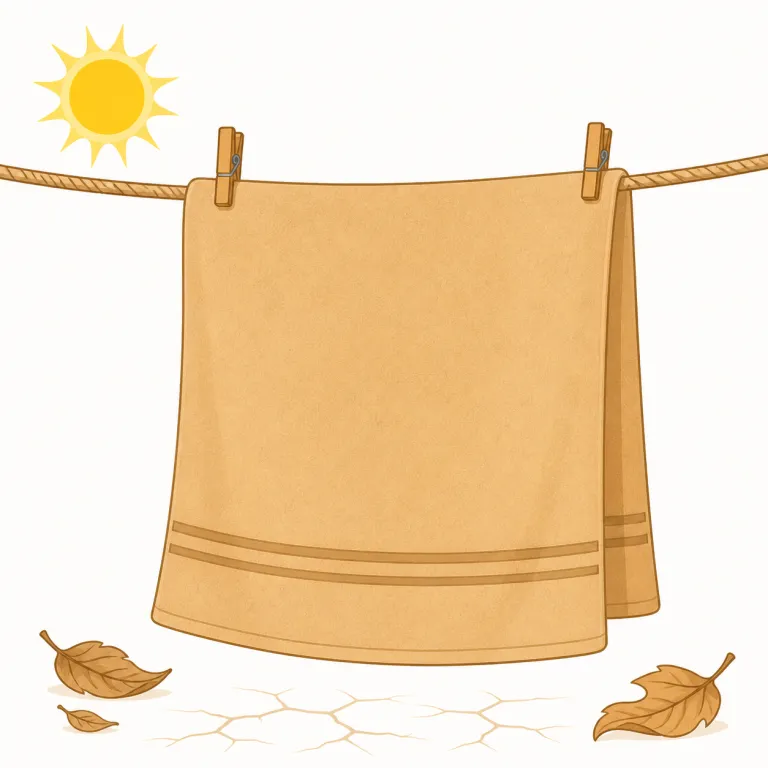
形容詞 dry は、表面や中身に水分がなく「ぬれていない・湿っていない」状態を言います。タオル、洗濯物、道路、肌、空気など、触ったり感じたりして乾きを判断できるものに自然です。比喩用法もありますが、この語義では wet の反対になる物理的な状態が中心です。
Dry describes something that has little or no water or moisture on it or in it. It is commonly used for things like towels, clothes, roads, skin, and air when they are not wet or damp. In this basic sense, dry is the opposite of wet and focuses on a physical condition you can touch or feel.
覚え方のコツ Memory Tip
まずは「水が残っていない状態」のラベルとして覚えると使いやすいです。a dry towel は使えるタオル、dry skin はかさつく肌、a dry road は雨上がりでも滑りにくい道、dry air は湿度の低い空気。どれも「乾かす動作」ではなく、すでにそうなっている状態を述べます。be dry, stay dry, keep dry の形で、傘や防水袋の説明にもよく出ます。ここから dry humor のような淡々とした比喩にも広がりますが、出発点は手触りや湿度です。
Think of dry as a simple label for “no water left.” A dry towel is ready to use, dry skin feels rough, a dry road is not slippery from rain, and dry air has little moisture. The word describes a state, not the action of making something dry. You will often see it in phrases like be dry, stay dry, and keep dry.
例文
The towel is dry now, so you can use it.
タオルはもう乾いているので使えます。
After the rain stopped, the road became dry by afternoon.
雨が止んだあと、午後には道路が乾きました。
My skin gets dry in winter.
冬になると肌が乾燥します。
乾かす
(意味 2)解説 Definition
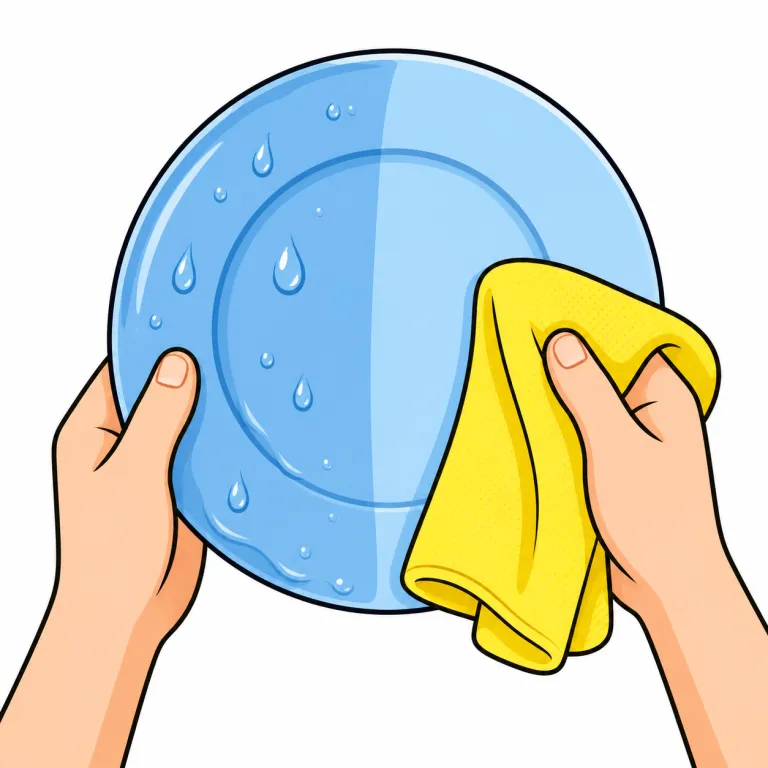
動詞 dry は、ぬれたものから水気を取り、乾いた状態へ変えることを表します。目的語には手、髪、皿、服などが来やすく、タオルで拭く、日光に当てる、温風を使うなど手段は問いません。形容詞の dry が状態なら、こちらはその状態へ向かわせる動作です。
To dry means to remove water or moisture from something, or to become free of water. It is commonly used for clothes, hair, dishes, paint, and food. The word can describe both an action by someone and a natural process.
覚え方のコツ Memory Tip
dry を動詞で見るときは「最後に dry な状態にする」と考えると整理しやすいです。dry your hands は手の水気をなくす、dry the dishes は洗った皿を使える状態にする、dry clothes は服を干す・乾燥機にかける流れです。wipe は「拭く」動き、hang は「干す」置き方、dry は結果に焦点があります。dry off のように自分や体の水気を取る言い方もあり、形容詞の dry から自然に派生した動詞として覚えられます。
Start from the adjective `dry`, meaning `not wet`, then extend it to the verb `dry`, meaning `make something dry`. It often appears in everyday pairs like `wash and dry`, `dry your hair`, and `dry the dishes`. Unlike `wipe` or `drain`, this word focuses on the final dry result.
例文
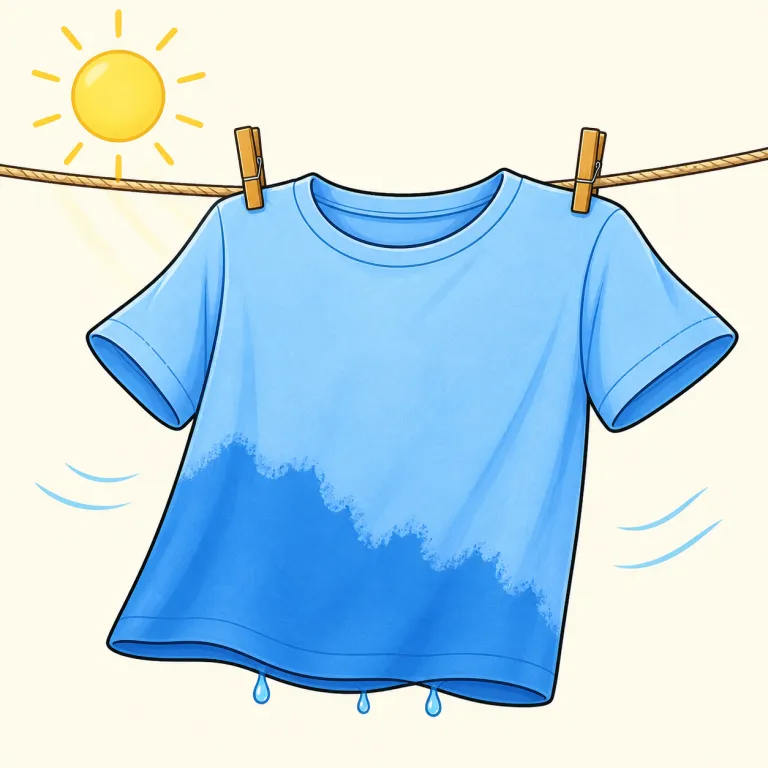
She hung the clothes outside to dry them in the sun.
彼女は洗濯物を日に当てて乾かすために外に干した。
Please dry your hands with the towel after washing them.
手を洗った後はタオルで手を乾かしてください。
He used a hairdryer to dry his wet hair before going out.
彼は外出前にぬれた髪を乾かすためにドライヤーを使った。
乾く
(意味 3)解説 Definition
物や表面から水分がなくなり、自然に、または時間がたってぬれていない状態になることを表す。服、髪、地面、ペンキなどが主語になり、「乾かす」の自動詞として使われる。日常会話では洗濯物や塗った物について特によく使う。
As a verb, dry means to lose water or moisture and become not wet. It is often used when clothes, hair, the ground, paint, or other surfaces become dry naturally or after some time. It can also mean to make something dry, especially after washing or getting it wet.
覚え方のコツ Memory Tip
まず形容詞 dry「乾いた」を土台にすると、動詞 dry は「乾いた状態にする」と自然に広げて覚えやすい。wash and dry, dry your hair, dry the dishes のように、水分を取って仕上げる場面でよく出る。drain が「水を抜く」、wipe が「拭く」なのに対し、dry は結果として乾いた状態にする語。be dry と dry A、さらに clothes dry と dry the clothes を並べると、形容詞・動詞の切り替えや使い分けが頭に残りやすい。
Start with the adjective dry, meaning “not wet,” and then think of the verb dry as “become dry” or “make something dry.” Common phrases like wash and dry, dry your hair, and dry the dishes show the usual result: the water is gone. Compare it with drain, which means to let water flow away, and wipe, which means to clean or remove water with a cloth.
例文
The clothes will dry in the sun.
服は日なたで乾くでしょう。
Wait for the paint to dry before touching the wall.
壁に触る前にペンキが乾くのを待ってください。
She dried her hair with a towel after the shower.
彼女はシャワーの後、タオルで髪を乾かした。
dry の語源・成り立ち Etymology
古英語 dryge「乾いた」に由来し、ゲルマン祖語の「水分がない」状態を表す語にさかのぼる。drought「干ばつ」とも関連し、湿り気が失われた状態が中心義。
Dry comes from Old English dryge, meaning “dry.” It goes back to a Germanic word connected with the idea of having no moisture. It is also related to drought, which describes a long period without enough water.
外部辞書で調べる
この単語を英単語クイズで覚えよう