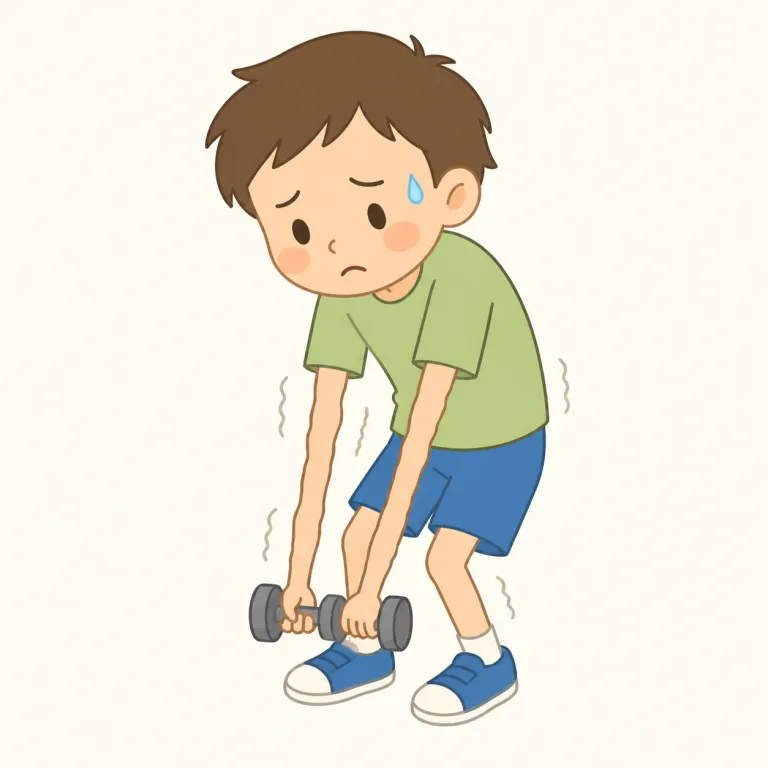
feeble
feeble は英検準1級・TOEIC 990・TOEFL 100・IELTS 7.5レベルの英単語で、「弱々しい」という意味があります。発音記号は /ˈfiːbəl/ です。
弱々しい
解説 Definition
弱々しく、力がなく、または無力な状態を表します。身体的または精神的な弱さ、あるいは説得力や有効性の欠如を意味します。
Feeble means weak and lacking strength, energy, or power. It can describe a person, body, voice, movement, or even an effort that is not strong or effective. It often suggests weakness caused by age, illness, or low ability.
覚え方のコツ Memory Tip
weak より少し文語的で、「見ていて頼りない弱さ」を連想すると残りやすい語。筋力がない、声が弱い、主張に迫力がない、というように body にも idea にも使える。a feeble old man, a feeble voice, a feeble excuse などが定番で、特に excuse では「苦しい言い訳」の意味になる。strong / forceful の反対側に置き、enfeeble は「弱らせる」とセットで覚えると広がる。faint は一時的に力が出ない、fragile は壊れやすい、feeble は全体に非力で心もとない感じ。
Think of `feeble` as a weaker, more helpless-sounding word than `weak`. It often appears in phrases like `a feeble voice` or `a feeble excuse`, so connect it with something lacking force. `Enfeeble` is the matching verb meaning to make something weak.
例文
The old man's feeble voice could barely be heard.
その老人の弱々しい声はかろうじて聞こえました。
Her feeble attempt to resist was unsuccessful.
彼女は弱々しく抵抗を試みましたが、うまくいきませんでした。
The feeble light from the candle illuminated the room.
ろうそくの弱々しい光は部屋を照らしました。
feeble の類義語・関連語
類義語
feeble の語源・成り立ち Etymology
feeble は古フランス語 feble を経て、ラテン語 flebilis「涙を誘うほど痛ましい」にさかのぼります。enfeeble や foible も同系で、まず「哀れで弱々しい」という感覚があり、そこから力や説得力の乏しさを表す語になりました。
Feeble came into English through Old French feble, from Latin flebilis, which originally meant "lamentable" or "worthy of tears." The idea seems to have shifted from something pitiful or weak-looking to something lacking strength or force. Related words include enfeeble and foible.
同じレベルの語彙をもっと
英検準1級の一覧へ →外部辞書で調べる
この英単語をクイズで覚えよう