pathetic
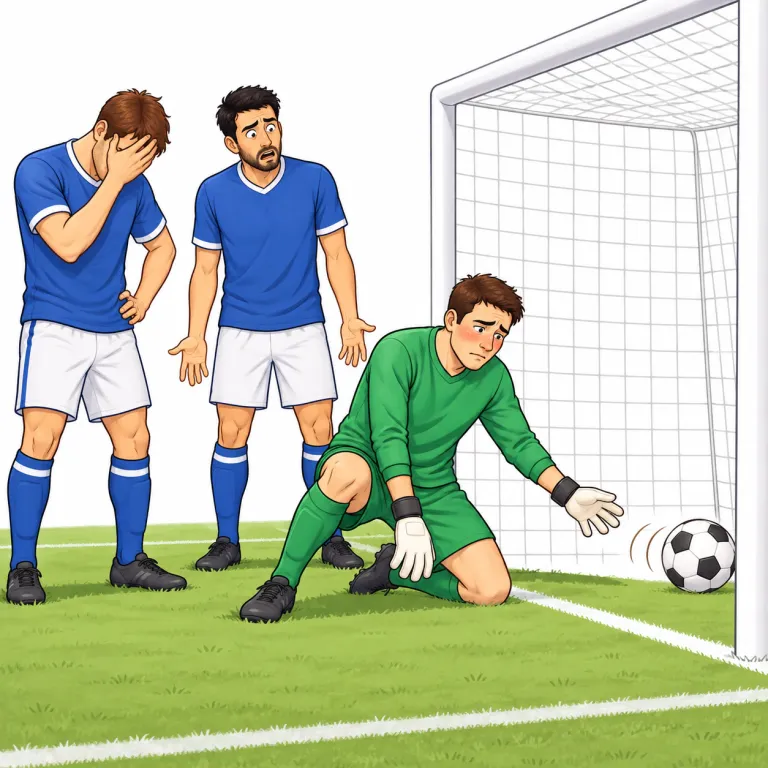
pathetic は英検2級・TOEIC 990・TOEFL 100・IELTS 7.5レベルの英単語で、「情けない、ひどい、哀れな」という意味があります。発音記号は /pəˈθɛtɪk/ です。
意味一覧 (2件)
情けない、ひどい
解説 Definition
pathetic は現代口語で、人や行動、出来ばえなどがあまりにも弱い・くだらない・程度が低いと感じられて、軽蔑やあきれを込めて「情けない」「ひどい」と言うときによく使う。単に悪いだけでなく、見ていてみっともないという響きがある。
So weak, inadequate, or poor that it deserves contempt or strong disapproval. In everyday speech, it is a harsh way to criticize a person, excuse, attempt, or performance as embarrassingly bad.
覚え方のコツ Memory Tip
sympathy(同情)や empathetic(共感する)を知っていると、pathetic は「同情を誘うほどみじめ」とつなげて覚えやすい。単なる sad ではなく、見ていて『情けない』『しょぼい』『程度が低い』という軽い侮蔑が混ざりやすい語。a pathetic excuse, a pathetic attempt, a pathetic performance のように、言い訳・試み・出来ばえをけなす形でよく出る。pitiful に近いが、pathetic のほうが口語で刺があり、miserable より“見苦しさ”を感じさせる。
If you know sympathy or empathetic, use their connection with feeling to remember the reaction this word provokes. For this sense, picture an excuse so weak that you react with scorn. Practice "a pathetic excuse" and "a pathetic attempt" as sharp criticisms.
例文
That was a pathetic excuse for being late.
それは遅刻の言い訳としては情けないものだった。
Their defense was pathetic in the second half.
後半の彼らの守備はひどかった。
Stop making those pathetic complaints and do something.
そんな情けない不満ばかり言わず、何かしなさい。
哀れな
(意味 2)
解説 Definition
哀れみや同情の対象となる惨めな、みじめな状態を表します。可哀想で、情けない様子のことです。
Pathetic describes something or someone that seems very weak, sad, or disappointing. It can show pity, but in everyday use it is often a strong negative word meaning very bad or lacking respect. Be careful, because it can sound rude when used about a person.
例文
The old house was in a pathetic condition.
その古い家は見るも哀れな状態でした。
His pathetic plan failed at once.
彼の情けない計画はすぐに失敗しました。
We found the hungry dog in a pathetic state.
私たちは、空腹で見るも哀れな犬を見つけました。
えいたんごクイズでの正答率
この語をはじめて出題された 49人 のうち 28人 が正解しました(57%)。
えいたんごクイズの回答から集計した独自データです。1人につき最初に出題されたときの1回だけを数えており、復習や2回目以降の回答、「わからない」と時間切れは含みません。 集計時点は 2026年9月19日 です。
pathetic の類義語・関連語
pathetic の語源・成り立ち Etymology
ギリシャ語 pathētikos(感情を受けやすい)から、pathos(苦しみ・感情)+ 接尾辞 -etic。関連語: sympathy(sym-共に + pathos=共感)、apathy(a-無し + pathos=無感動)。本来「感情を動かす」意だったが、現代では「惨めで哀れな」と否定的な意味に変化した。
The word comes from Greek pathētikos, associated with being affected by emotion, and is related to pathos, meaning suffering or feeling. Its earlier sense of moving the emotions developed into negative meanings involving misery and pity.
同じレベルの語彙をもっと
英検2級の一覧へ →外部辞書で調べる
この英単語をクイズで覚えよう