食用の乾燥豆
noun 名詞エンドウ豆、レンズ豆、ヒヨコ豆など、さやから取り出して乾燥させた食用の豆類を指す。栄養や農業の話題では pulses と複数形にすることが多く、生のさや豆などとは分類上区別される。
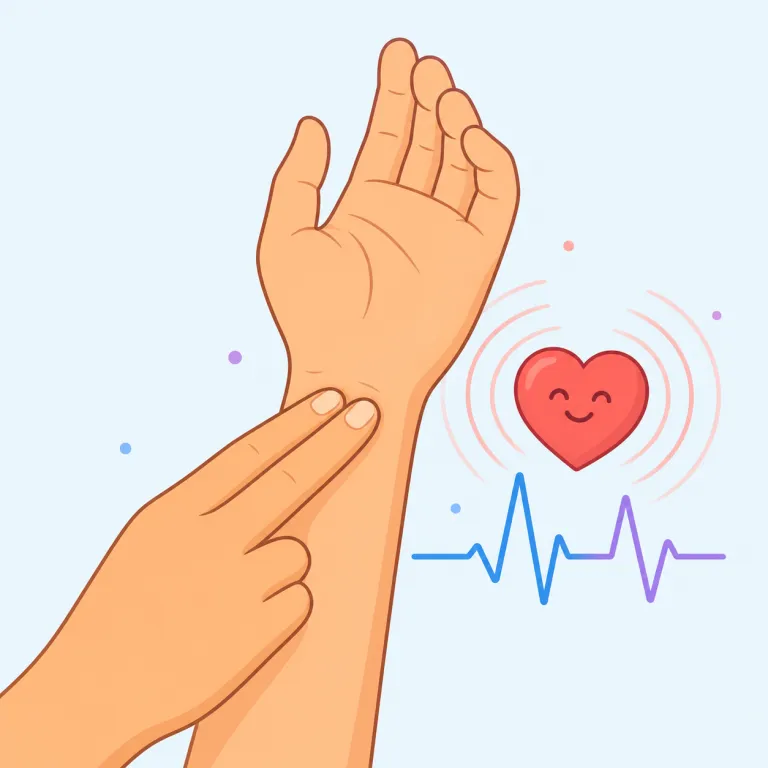
pulse は英検準1級・TOEFL 80・IELTS 6.5レベルの英単語で、「脈拍、短い電気信号」という意味があります。発音記号は /pʌls/ です。
心臓の鼓動に伴う脈拍や、短時間に生じる規則的な信号・波を指す語。医療では体の状態を示す脈として、工学では電気や光の瞬間的な変化として使われる。文脈によって、生体反応にも技術的な計測対象にもなる。
A pulse is the regular beating movement of blood in the body that shows your heart is working. It can also mean a short burst of energy, light, sound, or an electrical signal. The exact meaning depends on whether the context is medical, scientific, or technical.
まず heart rate や beat より少し客観的に「一定のリズムで打つ・出るもの」を思い浮かべると覚えやすいです。pulse は人なら take/check a pulse で「脈を測る」、機械や工学なら a pulse signal / laser pulse のように「短く鋭く出る信号」。1回ごとの強い打ち出しを感じる語で、ずっと続く wave より瞬間的、beat より医療・計測寄りです。impulse と形が近く、どちらも「一瞬の押し出し感」を共有すると整理しやすいです。
Think of a short, strong beat: a heart pulse, a light pulse, a signal pulse. The word often goes with checking or measuring, like `check your pulse` or `pulse signal`. It feels more like one clear hit than a continuous `wave`.
The doctor checked the patient's pulse every hour.
医師は一時間ごとに患者の脈拍を確認した。
A short pulse of electricity started the motor.
短い電気信号がモーターを作動させた。
Her pulse quickened when she heard the result.
彼女は結果を聞いて脈拍が速くなった。
この語をはじめて出題された 33人 のうち 31人 が正解しました(94%)。
えいたんごクイズの回答から集計した独自データです。1人につき最初に出題されたときの1回だけを数えており、復習や2回目以降の回答、「わからない」と時間切れは含みません。 集計時点は 2026年9月19日 です。
文脈によって、次の意味でも使われます。
エンドウ豆、レンズ豆、ヒヨコ豆など、さやから取り出して乾燥させた食用の豆類を指す。栄養や農業の話題では pulses と複数形にすることが多く、生のさや豆などとは分類上区別される。
ある社会・都市・集団に現在みられる活気や気分、動向を、脈になぞらえて表す。the pulse of the city や take the pulse of public opinion のように、その場の生きた状態を捉える文脈で使う。
Pulseはラテン語「pulsus(打つこと、鼓動)」に由来し、動詞「pellere(打つ、押す)」の過去分詞形。同根語にimpulse(衝動)やexpel(追い出す)がある。心臓が血管を「打つ」リズムが脈拍の意味となり、電気信号の波形にも転用された。
Pulse comes from Latin pulsus, meaning "a beating" or "a striking," from pellere, "to strike" or "drive." The word first referred to the beat felt in the body, especially from the heart. Later, the same idea of a repeated beat was extended to things like electrical pulses; related words include impulse and expel.
この英単語をクイズで覚えよう