神経インパルス、電気信号
noun 名詞神経などを伝わって反応を引き起こす、短い電気的な信号を指します。nerve impulse や electrical impulse の形でよく使われ、行動したいという心理的な「衝動」ではなく、身体や装置内を伝わる信号を表します。
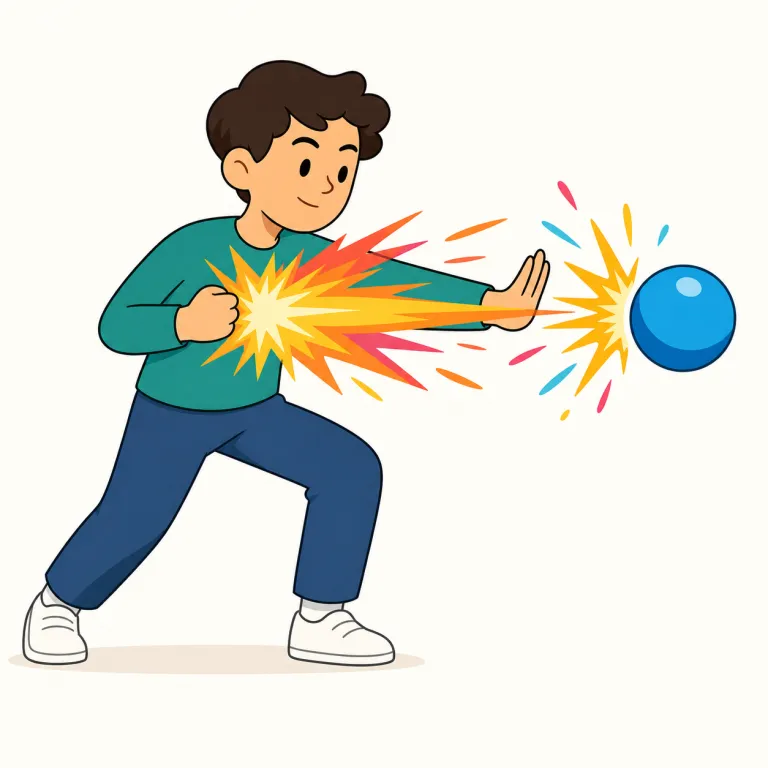
impulse は英検2級・TOEIC 860・TOEFL 80・IELTS 6.5レベルの英単語で、「衝動、力積」という意味があります。発音記号は /ˈɪmpʌls/ です。
impulse は、何かをしたくなる突然の気持ちや衝動を表すほか、物理学では短時間に加わる力の効果である「力積」も指す名詞。日常語と専門用語の両方で使われるため、文脈によって意味を見分ける必要がある。英語学習ではこの二つの用法の違いに注意したい。
An impulse is a sudden strong feeling that makes you want to act without thinking carefully first. It is often used when talking about emotions, decisions, or quick reactions, and in science it can also mean a short force acting on something.
impulse は中の pulse(脈拍)を手がかりにすると覚えやすい。脈が一瞬ドクンと打つ感じを思い浮かべると、「急にわき上がって行動を押す力」がつながる。follow an impulse, resist the impulse, buy on impulse など、その場でしてしまう文脈で頻出。urge より瞬間的で、desire ほど持続しない。理系の「力積」や electrical impulse も、どれも“短時間に強く伝わる一押し”という核でまとめると忘れにくい。
Use `pulse` inside the word as your hook. A pulse is a quick beat, so `impulse` feels like a sudden push that comes fast. Common phrases like `buy on impulse` and `resist the impulse` help fix that idea in your memory.
He acted on impulse without thinking carefully.
彼はよく考えず、衝動のまま行動した。
Her first impulse was to help the injured person.
彼女が最初に抱いた衝動は、けが人を助けることだった。
A strong force gives the ball a large impulse.
強い力を加えると、ボールに大きな力積が生じる。
この語をはじめて出題された 40人 のうち 30人 が正解しました(75%)。
えいたんごクイズの回答から集計した独自データです。1人につき最初に出題されたときの1回だけを数えており、復習や2回目以降の回答、「わからない」と時間切れは含みません。 集計時点は 2026年9月19日 です。
文脈によって、次の意味でも使われます。
神経などを伝わって反応を引き起こす、短い電気的な信号を指します。nerve impulse や electrical impulse の形でよく使われ、行動したいという心理的な「衝動」ではなく、身体や装置内を伝わる信号を表します。
impulse はラテン語 impulsus「押し動かすこと」に由来し、im-「中へ」+ pellere「押す」から成ります。もとは外からぐっと押される感覚で、そこから心や行動を急に動かす「衝動」の意味になりました。compel, expel も同じ語根です。
Impulse comes from Latin impulsus, meaning "a push" or "driving forward." It is built from im- "into, toward" and pellere "to push." The idea of something being pushed suddenly later became the mental sense of a sudden urge, and related words include compel and expel.
この英単語をクイズで覚えよう