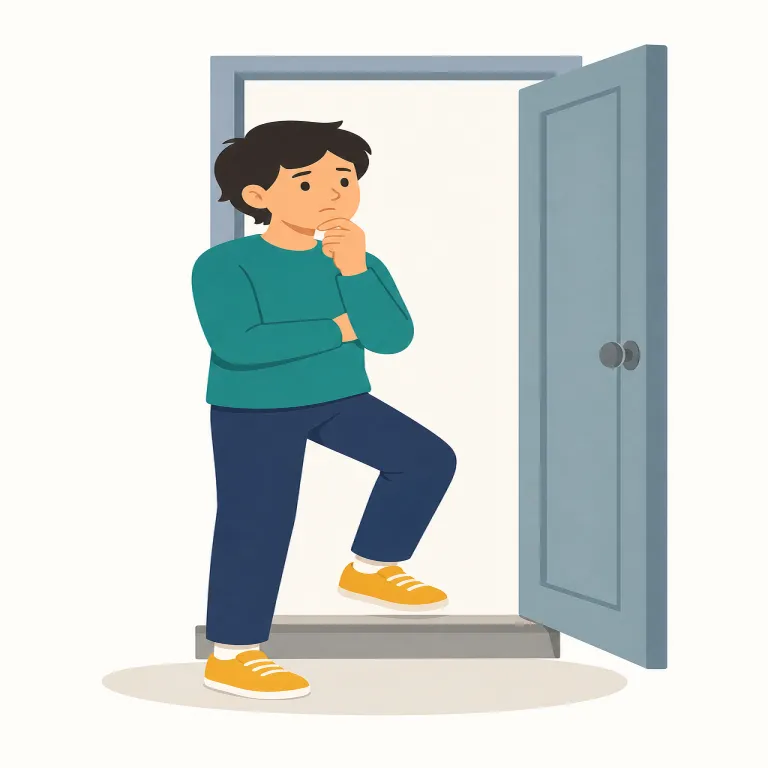
hesitation
hesitation は英検2級・TOEIC 860・TOEFL 80・IELTS 6.5レベルの英単語で、「ためらい」という意味があります。発音記号は /ˌhɛzɪˈteɪʃən/ です。
ためらい
解説 Definition
何かを決定する前に見せる迷いや躊躇のことです。決定や行動に対する不確定性を表します。
Hesitation is a pause or delay caused by uncertainty, doubt, or unwillingness. It can appear in speech, movement, or decision-making. The word often suggests that someone is not fully confident or ready to act.
覚え方のコツ Memory Tip
hesitation はまず動詞 hesitate を知っていると覚えやすい語で、「ためらうこと」をそのまま名詞にした形。会話では a moment of hesitation や without hesitation が頻出で、答える前に一瞬止まる場面と結びつけると残る。単なる delay が時間的な遅れを広く言えるのに対し、hesitation は「迷ってすぐ決められない」心のブレーキ。reluctance は気が進まない感じが強く、面接や提案への返答で即答できない場面を思い浮かべると定着しやすい。
Start from hesitate, then add -ion to make the noun. This word often appears in set phrases like without hesitation or a moment of hesitation, so memorize it as a pause before action. It is not just delay in time; it suggests an inner stop because the person is unsure.
例文
She expressed hesitation about accepting the job offer.
彼女は仕事のオファーを受け入れることについてためらいを見せた。
Without hesitation, he jumped into the water to save the child.
ためらうことなく、彼は子どもを救うために水に飛び込んだ。
There was a moment of hesitation before she answered the question.
彼女は質問に答える前に一瞬ためらいました。
えいたんごクイズでの正答率
この語をはじめて出題された 51人 のうち 46人 が正解しました(90%)。
えいたんごクイズの回答から集計した独自データです。1人につき最初に出題されたときの1回だけを数えており、復習や2回目以降の回答、「わからない」と時間切れは含みません。 集計時点は 2026年9月19日 です。
hesitation の類義語・関連語
hesitation の語源・成り立ち Etymology
hesitate に名詞化の -ation が付いた語で、語源はラテン語 haesitare「ためらう」。さらに haerere「くっつく・引っかかる」にさかのぼり、心が何かに引っかかって前へ進めない感覚から「ためらい」になった。関連語は adhere, adhesive。
Hesitation comes from hesitate plus the noun ending -ation. Hesitate goes back to Latin haesitare, related to haerere, meaning "to stick" or "to cling." The idea is of the mind getting stuck instead of moving forward; related English words include adhere and adhesive.
同じレベルの語彙をもっと
英検2級の一覧へ →外部辞書で調べる
この英単語をクイズで覚えよう