排尿開始困難
noun 名詞urinary hesitancy の形で、尿意があっても排尿をすぐに始められない症状を指す。心理的な迷いではなく、尿が出始めるまで時間がかかったり力みを要したりする状態で、医療上の症状説明に使われる。
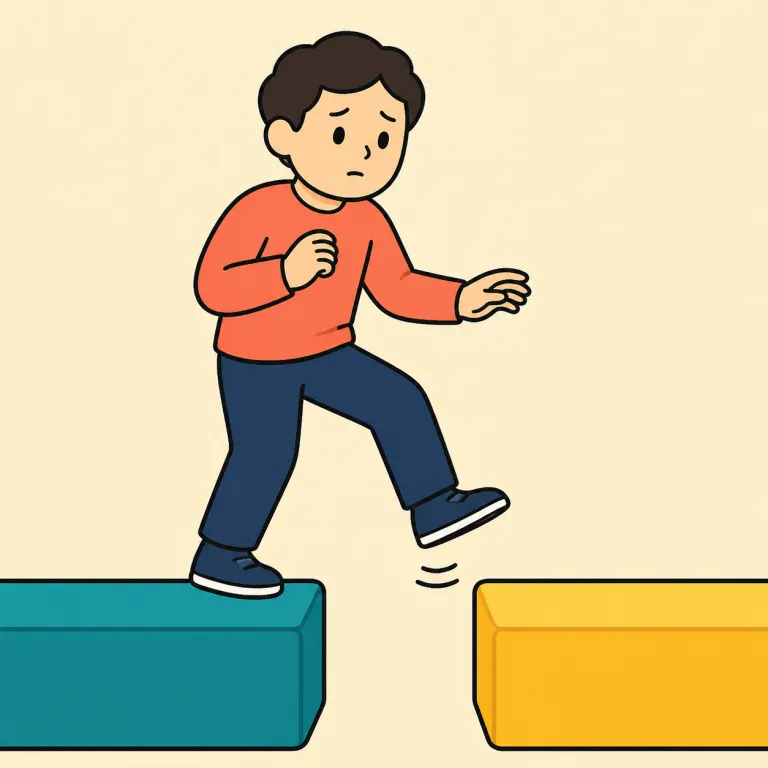
決断や行動をためらうこと。迷いや不確かさから踏み出せない状態。
Hesitancy is a feeling of uncertainty or slowness before making a decision or taking action. It is often used when someone is not fully confident, sure, or ready. The word can describe both thoughts and visible behavior, such as pausing before speaking.
まず動詞 hesitate を軸に覚えると早いです。hesitancy は「hesitateする感じ・状態」を名詞化した形で、-ancy は vacancy, pregnancy などと同じく「状態」を表す語尾。意味は強い拒否ではなく、迷って一歩出ない感じ。reluctance が「気が進まない」に寄るのに対し、hesitancy は不確かさや慎重さからのためらい。a moment of hesitancy, hesitancy in her voice のように、行動前の小さな止まり方と結びつけると残りやすいです。
Remember the verb `hesitate` first, then turn it into the noun `hesitancy`. The ending shows a state or condition, so it is the feeling of pausing or not moving forward right away. Think of phrases like `a moment of hesitancy` or `hesitancy in her voice`.
There is still widespread hesitancy about adopting new technologies among older generations.
高齢世代の間では、新しい技術の導入に対するためらいが依然として広く見られる。
His hesitancy to commit to the project frustrated his team members.
プロジェクトに本腰を入れて取り組むことをためらう彼の態度は、チームメンバーを苛立たせた。
She overcame her initial hesitancy and delivered a confident speech.
彼女は最初のためらいを克服し、自信に満ちたスピーチをした。
文脈によって、次の意味でも使われます。
urinary hesitancy の形で、尿意があっても排尿をすぐに始められない症状を指す。心理的な迷いではなく、尿が出始めるまで時間がかかったり力みを要したりする状態で、医療上の症状説明に使われる。
hesitancy は hesitate+-ancy で、hesitate はラテン語 haesitare「くっついて動けない」に由来します。adhere や adhesive も同じ haer- 系なので、ためらいが単なる気分でなく「先へ進めず引っかかる感じ」だと見えてきます。
"Hesitancy" comes from "hesitate" with the noun ending "-ancy." "Hesitate" goes back to Latin "haesitare," meaning "to stick fast" or "be unable to move," from the same root seen in "adhere" and "adhesive." Because of that image, the word came to express not just doubt, but a feeling of being held back or unable to go forward smoothly.
この英単語をクイズで覚えよう