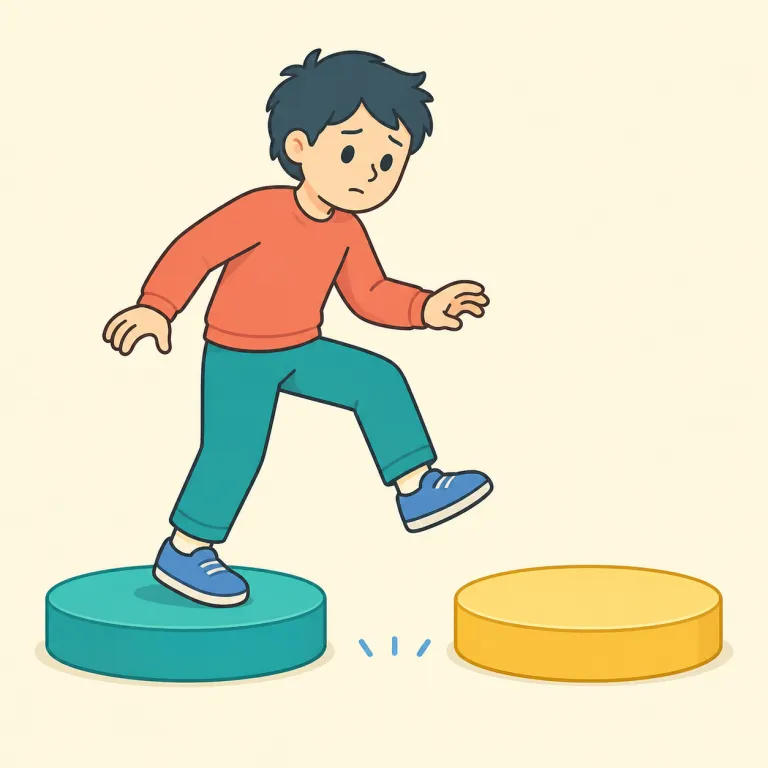
ためらい
解説 Definition
ためらい。または躊躇。不確実さから迷う状態。
Hesitance is a feeling of uncertainty or delay before doing or saying something. It is used when someone is not fully sure, confident, or ready to act.
覚え方のコツ Memory Tip
hesitate を知っていれば、その名詞形が hesitance。-ance は「状態」を作る語尾なので、accept→acceptance と同じ感覚で押さえると残りやすいです。意味は「ためらう気持ちそのもの」。reluctance も近いですが、hesitance は迷ってすぐ動けない感じ、reluctance は気が進まない感じがやや強め。in his voice, without hesitance など、反応や態度のぎこちなさと一緒に出る場面で覚えると定着します。
If you know `hesitate`, this is easy: `hesitance` is the noun form. The ending `-ance` often turns an action into a state, like `accept` to `acceptance`. It suggests a pause, uncertainty, or lack of quick action. Compare it with `reluctance`: `hesitance` is more about hesitation, while `reluctance` is more about unwillingness.
例文
His hesitance to commit revealed underlying doubts about the relationship.
関係を深めることへの彼のためらいから、その関係に対する心の奥の疑念が見えた。
The hesitance in her voice suggested uncertainty about the decision.
彼女の声ににじむためらいから、その決定に迷いがあることがうかがえた。
Overcoming hesitance required building confidence in her abilities.
ためらいを克服するには、自分の能力に自信をつける必要があった。
hesitance の類義語・関連語
hesitance の語源・成り立ち Etymology
hesitance はラテン語 haesitare「ためらう」にさかのぼり、さらに haerere「くっつく・動けない」に由来します。-ance は状態を表す接尾辞で、関連語に hesitate、adhere があり、「心が何かに引っかかって先へ進めない」感覚から「ためらい」の意味になりました。
Hesitance comes from Latin haesitare, meaning "to hesitate," which is related to haerere, meaning "to stick" or "to be fastened." The suffix -ance shows a state or condition. The word grew from the idea of being mentally stuck and unable to move forward easily. Related words include hesitate and adhere.
同じレベルの語彙をもっと
外部辞書で調べる
この英単語をクイズで覚えよう