属地主義、領域主義
noun 名詞法律や国家権力の効力を原則として自国の領域内に限定する考え方を指す。国際法、刑法、知的財産法などで用いられ、動物や人間の縄張り行動とは異なる制度上の概念である。
動物や人間が領土を確立・維持・防衛しようとする行動的特性。一定の地域に対する排他的支配の傾向。
Territoriality is the behavior or idea of controlling and protecting a particular area. It is often used in biology for animals and in social or political discussions for people or groups. The word usually suggests a strong sense of ownership, boundary, or defense.
まず中核は territory「縄張り・領域」。そこに -al が付くと territorial「領域に関する/縄張り意識の強い」、さらに -ity で territoriality「その性質・傾向」と、形の伸び方で覚えると定着しやすい語です。動物が匂い付けして territory を守る場面を思い浮かべると意味が直結します。人にも使え、自分の机や担当範囲に強く入り込まれるのを嫌がる感じ。ownership が所有そのものなら、territoriality は『自分の範囲を守ろうとする反応』に重点があります。
Build it from "territory" + "-ality." The word points to the idea of space with borders, control, and defense, so it sounds more academic than simple words like "land" or "area." Think of phrases like "state territoriality" to remember its political and boundary-focused feeling.
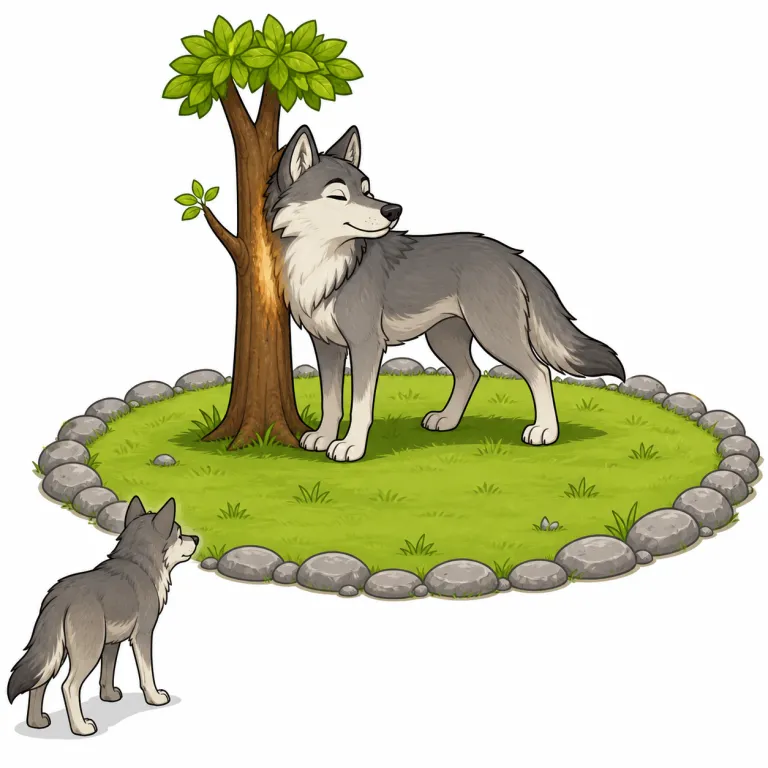
The study examined territoriality in wolves and how they defend their pack's domain.
その研究では、オオカミの縄張り性と、群れの縄張りを守る方法を調べた。
Bird species display strong territoriality during breeding season.
鳥類は繁殖期に強い縄張り性を示す。
Human territoriality is reflected in how we organize and defend our living spaces.
人間の領土性は、私たちが生活空間をどのように組織し防衛するかに反映されている。
文脈によって、次の意味でも使われます。
法律や国家権力の効力を原則として自国の領域内に限定する考え方を指す。国際法、刑法、知的財産法などで用いられ、動物や人間の縄張り行動とは異なる制度上の概念である。
後期ラテン語 territorialis がもとで、その土台はラテン語 territorium「領地・支配地」です。territorial(領土の)+ -ity(性質)と分けられ、「自分の領域として保つ性質」から領土性の意味になります。関連語は territory, territorial。
Territoriality comes from territorial plus the noun ending -ity. Territorial goes back to Late Latin territorialis, from territorium, meaning "land under control" or "territory." The word developed from the idea of land belonging to a ruler into the quality of claiming, defending, or behaving around a set area.
この英単語をクイズで覚えよう