
frail
frail は英検準1級レベルの英単語で、「虚弱な、もろい」という意味があります。発音記号は /freɪl/ です。
意味一覧 (2件)
虚弱な
解説 Definition
虚弱なとは、体が弱く、病気や疲労に耐える力が乏しい状態を表します。特に高齢者や病後の人など、体力が落ちていてか細く見える人に使われやすい語です。精神的な脆さや物のもろさを表すこともありますが、主軸は人の健康や体の弱さです。
If someone is frail, they are physically weak and easily hurt, tired, or damaged. It is often used for elderly people, people who are ill, or things that are delicate. The word suggests a lack of strength rather than a temporary condition.
覚え方のコツ Memory Tip
frail は、人の体がか細く、病気や疲労に耐える力が乏しい「虚弱な」という意味に焦点を当てます。fragile や fracture と同じく「壊れやすさ」につながる語の仲間なので、体がまるで壊れやすい物のように弱っていると捉えると記憶に残ります。ただし fragile が物にも広く使われるのに対し、この語義の frail は特に高齢者や病後の人の弱々しい体に自然です。a frail elderly woman、frail health、too frail to travel が頻出。長い療養後、階段を下りるのに支えが必要な人の姿を固定すると、単に細い thin との違いも明確になります。
Link `frail` with `fragile`. `Fragile` is often for things like glass, while `frail` is often for a person or their health. Think of common pairs like `frail old woman` or `frail health`.
例文
The frail elderly woman needed assistance walking down the stairs.
体の弱った高齢の女性は、階段を下りるのに介助が必要でした。
His frail health prevented him from participating in the expedition.
体が弱かったため、彼は遠征に参加できませんでした。
After weeks in bed, he looked too frail to travel alone.
何週間も寝込んだ後、彼は一人で旅行するにはあまりにも虚弱に見えました。
もろい
(意味 2)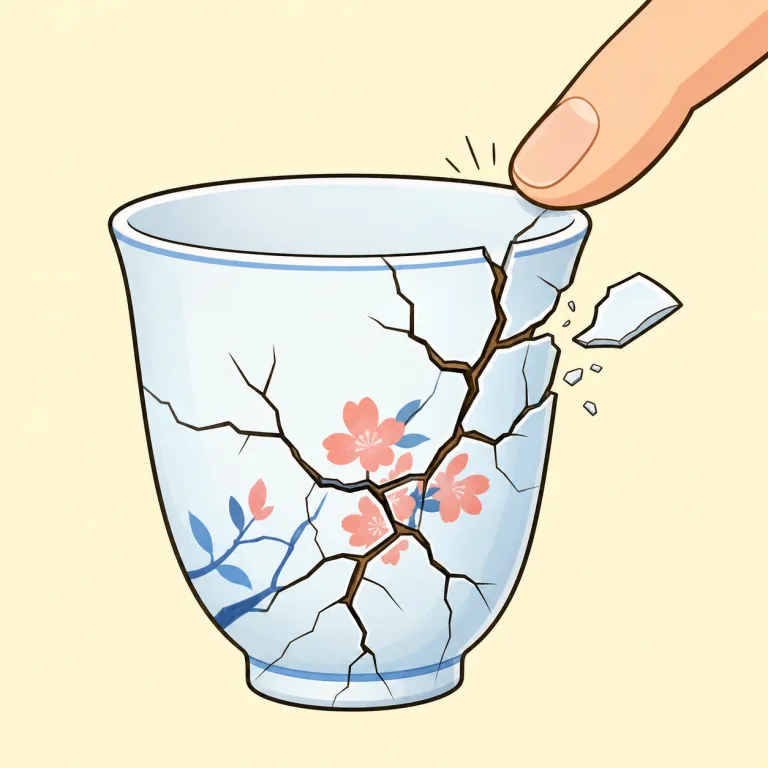
解説 Definition
物や材料が弱く、少しの力や圧力で壊れたり傷んだりしやすい様子を表す。人の体についての「虚弱な」ではなく、枝・布・古い骨組みなどがすぐ折れたり崩れたりしそうなときに使う。見た目や作りの頼りなさをにじませる語。
Weak and easily broken or damaged by a small amount of force. In this sense, it describes delicate objects or materials with little strength, such as branches, cloth, or old structures.
覚え方のコツ Memory Tip
frail は、知っているなら fragile と同じ「壊れやすい」方向で覚えると残りやすい語です。この行では人の体ではなく、物や材料の頼りなさに集中します。a frail branch なら「もろい枝」、frail cardboard なら「すぐ折れそうな段ボール」。weak だと単に強度が低いだけでも言えますが、frail には「細くて頼りなく、少しの力で壊れそう」という繊細さがあります。人なら「虚弱な」にもなるが、物にも使える“壊れそうな弱さ”として整理します。
Connect frail with fragile and picture a thin branch that may snap easily. Here it describes the breakable weakness of an object or material, not a person's poor health.
例文
The frail branch snapped in the wind.
そのもろい枝は風で折れた。
The frail bridge collapsed under the heavy truck.
そのもろい橋は大型トラックの重みで崩れ落ちた。
Engineers replaced the frail wooden frame.
技師たちはそのもろい木枠を交換した。
frail の類義語・関連語
frail の語源・成り立ち Etymology
frail は古フランス語 frele「もろい・弱い」を経て、ラテン語 fragilis「壊れやすい」にさかのぼる。語根は frangere「砕く」で、fragile や fracture と同根。「壊れやすい」感覚が、体や心の「虚弱な」へ広がった語。
"Frail" came into English through Old French frele, meaning "weak" or "easily broken," from Latin fragilis. That Latin word comes from frangere, meaning "to break." The idea moved from something physically breakable to a person or body that is weak. Related English words include "fragile" and "fracture."
同じレベルの語彙をもっと
英検準1級の一覧へ →外部辞書で調べる
この英単語をクイズで覚えよう