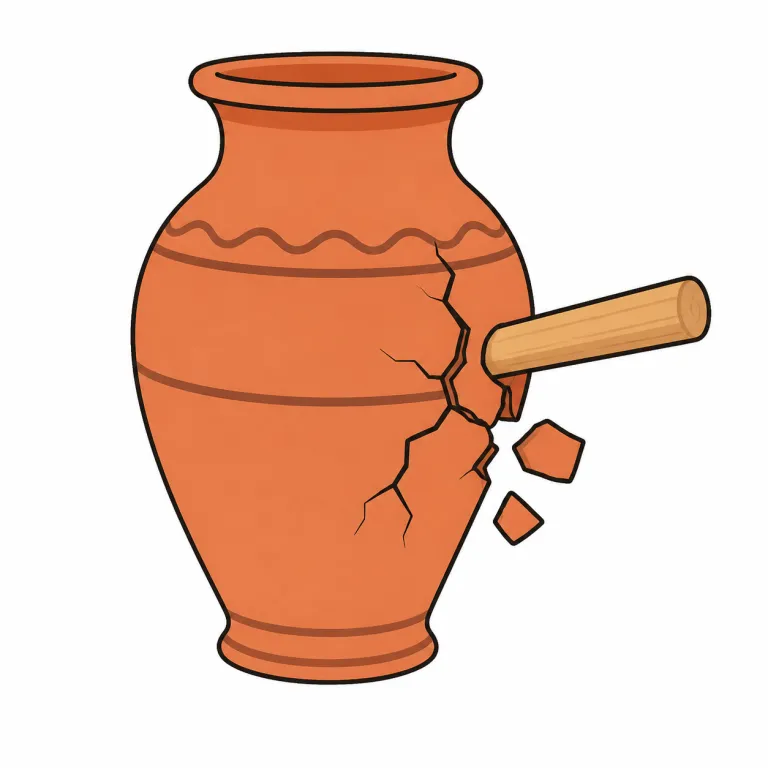
弱さ、もろさ
解説 Definition
体力や健康が弱っていること、または性質や作りがもろいことを表す名詞です。特に高齢者や病気の人の身体的な弱さについて使われることが多いですが、人の意志の弱さや物の壊れやすさを述べる場合にも用いられます。
Frailty means weakness or a lack of strength, either physical or emotional. It can describe a person's delicate condition or a general human weakness. The word is often used in formal or thoughtful contexts.
覚え方のコツ Memory Tip
frailty はまず形容詞 frail「弱い、虚弱な」を知っていると覚えやすいです。frail + -ty で「弱い状態」という名詞。単なる weakness より、年齢や病気で衰え、少しの負担でも崩れそうな“もろさ”が出ます。frail elderly people, human frailty のような使い方を一緒に押さえると定着しやすいです。fragile と近い感覚で、「壊れやすいほど弱い」という芯を持つ語として並べて覚えると混同しにくくなります。
This is easy if you already know `frail`. Add `-ty`, and it becomes the noun for that weak or delicate condition. Link it with phrases like `human frailty` or `physical frailty`, and compare it with `fragile` to remember the idea of weakness that can easily break down.
例文
The doctor attributed his frailty to advanced age.
医師は、彼が弱っているのは高齢のためだと考えた。
Despite her frailty, she remained mentally sharp.
体は弱っていたが、彼女の頭は冴えていた。
The frailty of the elderly requires careful medical attention.
高齢者の弱さには、慎重な医療対応が必要だ。
frailty の類義語・関連語
紛らわしい語
frailty の語源・成り立ち Etymology
frailty は古フランス語を経てラテン語 fragilis「壊れやすい」に由来し、語根 frag-/frang- は「砕く、折る」を表します。fragile や fragment も同根で、frailty が単なる弱さでなく『少しの力で壊れそうなもろさ』を含む語だと見えてきます。
Frailty comes through Old French from Latin `fragilis`, meaning "easily broken." It shares the root `frag-` or `frang-`, "to break," with English words like `fragile` and `fragment`. Because of this history, `frailty` suggests not just weakness, but a delicate condition that can easily break under pressure.
同じレベルの語彙をもっと
外部辞書で調べる
この英単語をクイズで覚えよう