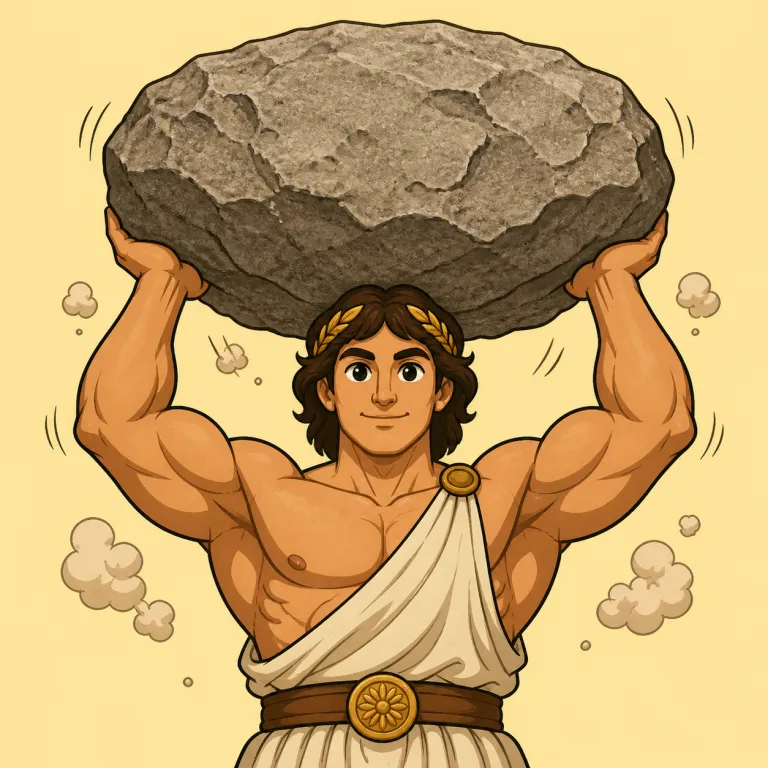
筋力
解説 Definition
筋肉、腕力、強さ、またはそれらを使った活力のこと。古い英語で力強さや耐久力を指す。
Thew means physical strength or muscle. It is an old-fashioned literary word, so it is not common in everyday English. You may see it in poetry, historical writing, or formal descriptions of strength.
覚え方のコツ Memory Tip
thew は日常語ではなく、古風な文体で warrior や hero の盛り上がった筋肉、腕力、たくましさを描く語として覚えると定着しやすい。muscle が普通の「筋肉」、strength が広い「強さ」なのに対し、thew は体に宿った生々しい筋力・肉体的パワーに寄る語。とくに複数形 thews で出やすく、古い言い回し thews and sinews をセットで覚えると、「筋や腱の張った力強い体」という像が浮かぶ。文学・歴史・ファンタジー調で見かけたらこの語を疑うとよい。
`Thew` is an old-fashioned literary word, so connect it with heroes, warriors, and fantasy writing. It is closer to physical power in the body than the more general word `strength`. The phrase `thews and sinews` is a strong memory hook because both words suggest a tense, powerful body.
例文
The wrestler's thew was evident in his powerful physique.
そのレスラーの筋力は彼の力強い体格から明らかだった。
It takes considerable thew to lift heavy weights.
重いものを持ち上げるには相当な腕力が必要である。
The soldier demonstrated his thew by marching long distances with heavy equipment.
その兵士は重い装備を背負って長距離を行進し、強靱な体力を示した。
thew の類義語・関連語
thew の語源・成り立ち Etymology
thew は古英語 þēaw「習わし・性質・力」にさかのぼる語で、接辞分解より古い語形そのものが核です。もとは人に備わる性分や徳でしたが、そこから『人を支える資質』が筋力へ寄ったと見ると腑に落ち、関連語に thews と古高ドイツ語 thau があります。
"Thew" comes from Old English theaw, which meant habit, character, quality, or strength. In early use, it referred more generally to a person's natural qualities or virtues. Later, the sense narrowed toward physical strength and muscle, especially in poetic language.
同じレベルの語彙をもっと
外部辞書で調べる
この英単語をクイズで覚えよう