sinew
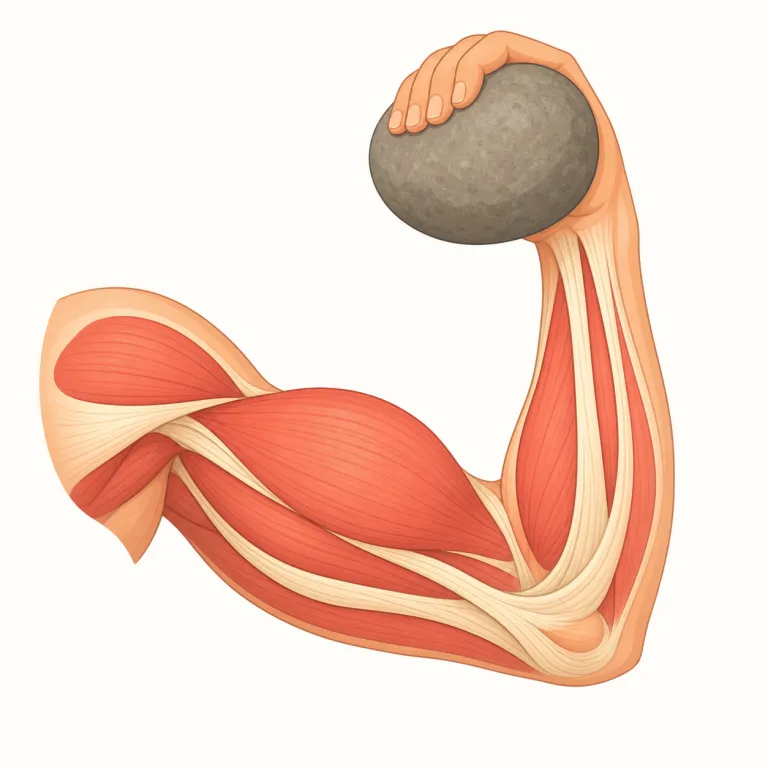
sinew は英検1級レベルの英単語で、「腱」という意味があります。発音記号は /ˈsɪnjuː/ です。
腱
解説 Definition
筋肉と骨をつなぐ丈夫な繊維組織である腱のこと。体力や筋力の意味でも使われる。
Sinew is a strong band of tissue in the body that connects a muscle to a bone; tendon is the more common everyday word. It can also mean strength or the part that gives support and power to something, especially in formal writing. Outside medical use, the word often sounds literary.
覚え方のコツ Memory Tip
まず基本語の tendon を知っているなら、sinew はそれより文語的・硬めの「腱」。筋肉と骨をつなぐ“引っぱるための強いひも”を頭に置くと定着しやすいです。そこから比喩で「力の源・活力」まで広がるので、単なる体の部位で終わらせないのがコツ。the sinews of war なら「戦争を動かす資金・資源」。日常会話では tendon、文章では sinew が出やすい、と整理すると混同しにくいです。
If you already know `tendon`, think of `sinew` as a more literary or formal word for a strong body cord that pulls. It also appears in figurative phrases, so do not keep it only as a body word. `The sinews of war` is a good memory hook because it shows the idea of strength and supporting power.
例文
The sinew connecting the muscle to the bone was torn during the accident.
事故で筋肉と骨をつなぐ腱が断裂した。
Ancient warriors used animal sinew to string their bows.
古代の戦士たちは動物の腱を使って弓の弦を張った。
Hard work and determination are the sinews of any successful enterprise.
勤勉さと決意は、どんな事業を成功させるにも欠かせない支えである。
sinew の類義語・関連語
sinew の語源・成り立ち Etymology
sinew は古英語 sinu / seonu「腱・筋」にさかのぼり、さらにゲルマン祖語由来の語です。体を引っぱって動かす「強い筋」の感覚がそのまま意味になり、同根語にドイツ語 Sehne やオランダ語 zenuw があります。
Sinew goes back to Old English sinu or seonu, meaning "tendon" or "cord," and from there to an older Germanic root. The word originally referred to the strong cords of the body that pull and hold things together. Related forms appear in other Germanic languages, such as German Sehne.
同じレベルの語彙をもっと
英検1級の一覧へ →外部辞書で調べる
この英単語をクイズで覚えよう