えいたんごクイズ

upbringing

/ˈʌpbrɪŋɪŋ/

upbringing はTOEFL 80・IELTS 6.5レベルの英単語で、「育ち、しつけ、教育、社会的背景」という意味があります。発音記号は /ˈʌpbrɪŋɪŋ/ です。

意味一覧 (4件)

noun

そだ

解説 Definition

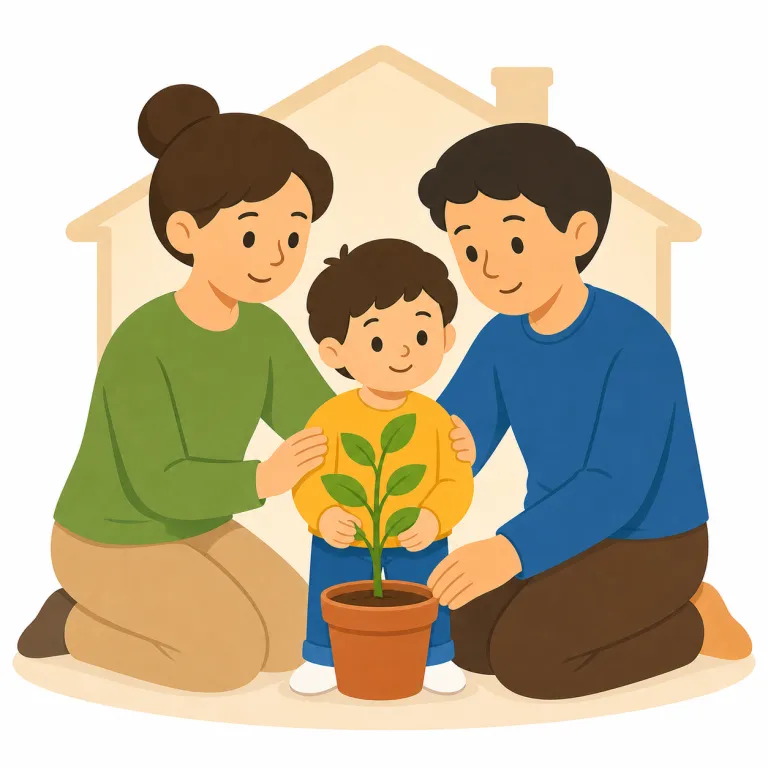
upbringing は、子ども時代にどのような家庭環境や教育、しつけの中で育てられたかという「育ち」を表す語です。その人の価値観や振る舞い、考え方に影響を与える背景として語られることが多く、恵まれたか厳しかったかといった環境面も含みます。

Upbringing is the way a person is raised during childhood. It includes the care, education, values, and social environment given by family or others, and it is often discussed when talking about someone's character or behavior.

覚え方のコツ Memory Tip

このエントリの upbringing は、礼儀を教える「しつけ」そのものではなく、人が子ども時代をどんな家庭環境や価値観の中で過ごしたかという「育ち」を表します。a privileged upbringing, a poor upbringing, a difficult upbringing のように、人生の背景を説明する形容詞とよく結びつきます。background に近いですが、特に幼少期の家庭・環境が人格に残した影響を言う点を押さえると区別しやすいです。

Think of the phrasal verb `bring up`, which means raise a child. `Upbringing` is the noun form, so it means the way someone was brought up. It often appears with words like `strict`, `good`, or `happy`, which makes it easier to remember.

例文

Her polite manners reflected her careful upbringing.

彼女の礼儀正しさには、丁寧な育ちが表れていた。

He had a difficult upbringing in a poverty-stricken neighborhood.

彼は貧しい地域で厳しい環境の中で育った。

Despite her privileged upbringing, she remained humble and kind.

恵まれた育ちにもかかわらず、彼女は謙虚で親切だった。

noun

しつけ

(意味 2)

解説 Definition

upbringing は、子どもが家庭などで受ける礼儀・行動・価値観の教えとしての「しつけ」を表します。親や保護者がどのように育て、何を身につけさせたかを述べる場面で使われます。

Upbringing means the teaching and care a child receives at home while growing up, especially in manners, behavior, and values. It is often used when talking about how parents or guardians raised someone and what habits or attitudes they taught. The word focuses more on family influence than on school education.

覚え方のコツ Memory Tip

bring up は「子どもを育てる」という句動詞で、upbringing はその名詞形です。特に家庭で身につけさせる礼儀、態度、価値観に焦点があると考えると「しつけ」と結びつきます。education は学校教育にも広く使えますが、upbringing は親や家庭の育て方が中心です。別エントリの「育ち」は結果としての背景を指し、この語義では教える側のしつけに目を向けます。

Think of bring up, which means "to raise a child." Upbringing is the noun form, so it refers to the way a child is raised. It often points to manners, attitude, and values learned at home rather than general school education. In this sense, the focus is on the parents' or family's teaching, so it matches the idea of しつけ.

例文

Her polite manners reflect the strict upbringing she received at home.

彼女の礼儀正しさは、家庭で受けた厳しいしつけをよく表している。

They believe a child's upbringing has a strong effect on future behavior.

子どものしつけは、将来の行動に大きく影響すると彼らは考えている。

Although the brothers had the same upbringing, they developed very different values as adults.

その兄弟は同じしつけを受けたが、大人になってからはかなり異なる価値観を持つようになった。

noun

教育きょういく

(意味 3)

解説 Definition

子どもが成長する間に親や周囲から受ける教育、経験、および訓練。個人の性格と価値観を形作る。

例文

Her strict upbringing shaped her values and beliefs.

彼女の厳しい教育は彼女の価値観と信念を形作った。

The upbringing he received included discipline and responsibility.

彼が受けた教育には規律と責任が含まれていた。

A good upbringing is important for child development.

良い教育は児童の発達にとって重要である。

noun

社会的背景しゃかいてきはいけい

(意味 4)

解説 Definition

子どもが成長する過程で親や家族から受ける養育と教育。その際の家庭環境や社会的背景が、その人の性格や価値観に大きな影響を与える。

例文

His upbringing in poverty gave him resilience.

貧困の中での彼の養育環境は彼に回復力をもたらした。

Her upbringing in a multicultural environment shaped her perspective.

多文化環境での彼女の養育環境は彼女の見方を形作った。

The upbringing they received influenced their worldview.

彼らが受けた養育は彼らの世界観に影響を与えた。

upbringing の語源・成り立ち Etymology

upbringing は up「上へ」+ bring「連れてくる・育てる」+ -ing で、bring は古英語 bringan に由来します。文字通り「子を上へ持ち上げるように育てる」感覚が核で、bring up や bringing も同じ発想の仲間です。

Upbringing comes from the phrasal verb bring up plus the noun ending -ing. Bring goes back to Old English bringan, meaning "carry" or "lead." The image behind it is of raising a child up into adult life, and that sense later became the idea of a person's early training and care. It is related to bring and bring up.

外部辞書で調べる

この単語を英単語クイズで覚えよう