意味一覧 (4件)
ストライキ
解説 Definition
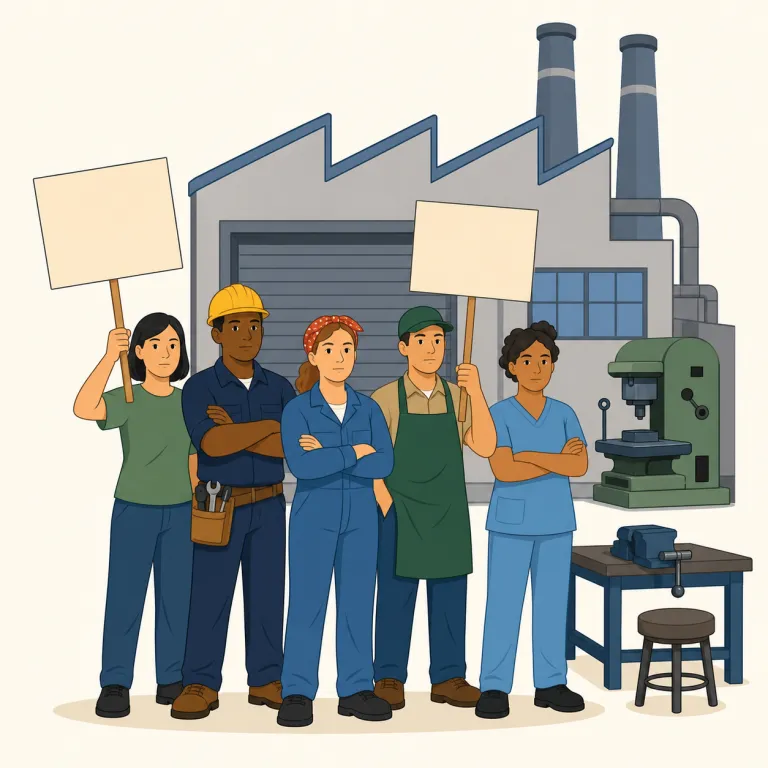
「ストライキ」という意味での「strike」は、労働者が賃金や待遇改善などを要求して、集団で業務を停止する行為を指します。労働争議の一形態であり、組合が組織的に行うことが多く、経営者側への圧力手段として使われます。
A strike is a planned action in which workers stop working to demand better pay, conditions, or treatment. It is commonly used in discussions about labor unions, companies, and social conflict.
覚え方のコツ Memory Tip
まず動詞の strike にある「強く働きかける・打つ」という感覚を土台にすると、労働者側が会社に圧力をかけるために仕事を止める名詞 strike も覚えやすいです。ニュースでは go on strike(ストに入る), be on strike(スト中だ), workers' strike の形が頻出。attack や hit の strike と違い、主語が workers / union なら「労働争議のストライキ」と判断しやすいです。
Learn "strike" with the fixed phrases "go on strike" and "be on strike." These appear with words like workers, unions, wages, and negotiations, so the work-related meaning becomes easy to spot. It is more specific than a general "protest."
例文
The workers went on strike to demand higher wages and better benefits.
労働者たちは賃上げと待遇改善を求めてストライキに入りました。
The teachers union called a strike after talks failed.
話し合いがまとまらず、教員組合はストライキを呼びかけました。
The three-day strike stopped trains across the area.
3日間のストライキで、地域全体の列車が運休しました。
打つ
(意味 2)解説 Definition
手や道具で物や人に強く当てるときの基本語で、ボールを打つ、太鼓を打つ、相手を殴るなど広く使える。軽く触れるよりも、はっきり力を加える響きがあり、鐘や時計が時を打つ場面にも使われる。瞬間的な一回の動作として述べられることが多い。
覚え方のコツ Memory Tip
strike はまず「一点に強く当てる・打つ」という基本感覚で覚えるとよいです。hit よりやや硬く、力を込めて一回はっきり当てる響きがあり、ボールを打つ、太鼓を打つ、鐘が時を打つ場面に使えます。労働者の strike は仕事を止めて圧力をかける名詞ですが、この行ではまず手や道具で対象を強く打つ動作として押さえましょう。
例文
He struck the ball cleanly with the bat.
彼はバットでボールをきれいに打った。
She struck the drum three times.
彼女は太鼓を3回打った。
The boxer struck his opponent in the jaw.
そのボクサーは相手のあごを殴った。
一撃
(意味 3)解説 Definition
一回の打撃や強い当たりそのものを表す名詞で、けんか・格闘・スポーツ・動物の攻撃などの場面で使われる。長く続く攻撃ではなく、ひと振り・ひと当てというまとまりを意識させる語。勝負を決める強烈な一発という含みを持つことも多い。
覚え方のコツ Memory Tip
strike はまず「すばやく強く打つ」動きで覚えると、この名詞の「一撃」も残りやすいです。パンチや刀、ボール、動物の攻撃などが一度だけ相手に当たる、そのまとまりが a strike。長く続く attack ではなく、one strike, final strike のように「一発で決まる打撃」を意識すると切り分けやすいです。workers' strike の「ストライキ」と同じ形ですが、fight, blow, head, glass などが近くにあれば「一撃」と判断しやすいです。
例文
The final strike cracked the glass.
最後の一撃でガラスにひびが入った。
One strike to the head ended the fight.
頭への一撃でその勝負は決まった。
The snake killed its prey with a swift strike.
そのヘビは素早い一撃で獲物を仕留めた。
襲う
(意味 4)解説 Definition
地震・台風・病気・不安・ひらめきなどが人や場所に突然及ぶときに使う語で、物を打つ意味とは別の用法。前触れなく強く影響する感じがあり、災害が町を襲う、恐怖が人を襲う、考えがふと頭に浮かぶといった文脈で使われる。
覚え方のコツ Memory Tip
strike は「強く打つ」だけでなく、災害や感情が人に突然どんと当たる感じでも使うと覚えるとよいです。An earthquake struck the city なら、地震が街を物理的に殴るのではなく「突然襲った」。panic, fear, disease, idea など目に見えないものが主語になると、「打つ」より「襲う・急に起こる」と読むのが自然です。workers' strike のストライキとは、主語と場面で切り分けましょう。
例文
An earthquake struck the city before dawn.
夜明け前に地震がその街を襲った。
Panic struck him when the lights went out.
明かりが消えたとき、彼は突然の恐怖に襲われた。
An idea suddenly struck me on the train.
電車の中でふと一つの考えが頭に浮かんだ。
strike の類義語・関連語
strike の語源・成り立ち Etymology
古英語 strīcan(打つ、撫でる)に由来し、ゲルマン祖語 *strīkaną に遡る。「打つ」という原義から、労働者が仕事を「打ち止める」行為としてstrikeが使われた。関連語: stroke(一撃)、streak(筋)。いずれも「一方向にさっと動く」動作が共通する。
Strike comes from Old English strican, from a Germanic root connected with stroking, rubbing, or moving sharply. From the basic idea of hitting or making forceful contact, later noun uses developed, including the sense of workers stopping work in protest. Related English words include stroke and streak, which keep the idea of a quick or directed movement.
外部辞書で調べる
この単語を英単語クイズで覚えよう