disaster
disaster は英検3級・英検準2級・英検2級・英検準1級・TOEIC 730・TOEFL 60・IELTS 5.5レベルの英単語で、「災害、大惨事、大失敗」という意味があります。発音記号は /dɪˈzæstɚ/ です。
意味一覧 (3件)
災害
解説 Definition
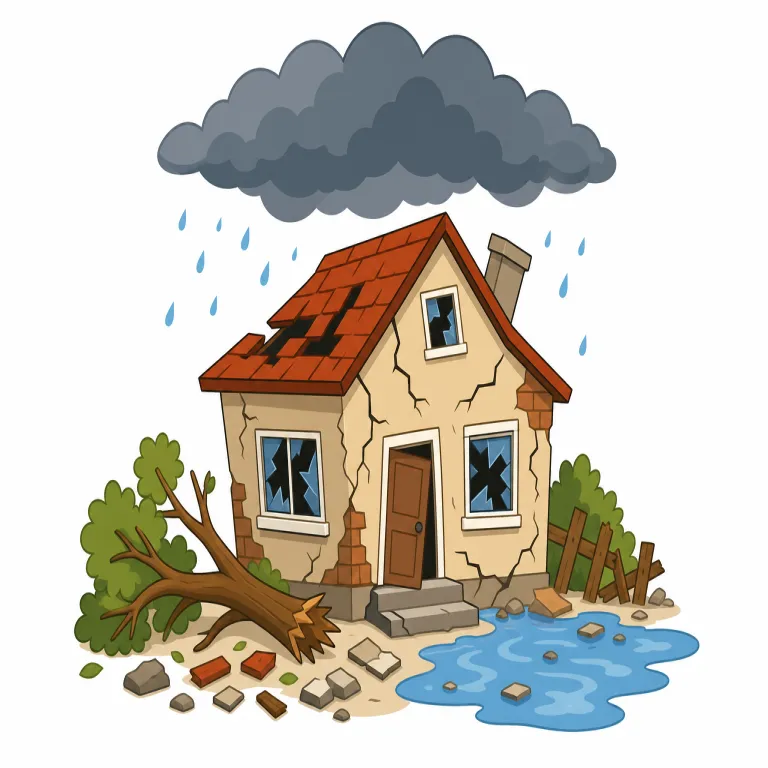
地震や津波などの大きな被害をもたらす自然現象のことです。また、大きな事故や危機的な出来事も指します。
A disaster is a very serious event that causes great damage, suffering, or loss. It is often used for natural events like earthquakes and floods, but it can also describe major accidents or failures.
覚え方のコツ Memory Tip
disaster は「災害」として、earthquake, flood, typhoon など人命や生活に大きな被害を与える出来事で覚えます。natural disaster, disaster relief, disaster area のように、防災・救援・報道の文脈で頻出します。小さな problem や accident ではなく、社会や地域に広い影響を及ぼす深刻な出来事です。形容詞 disastrous「悲惨な、壊滅的な」とつなげると語感をつかみやすくなります。
Remember `disaster` through news-style phrases such as `natural disaster`, `disaster relief`, and `disaster area`. It is much bigger and more serious than a small `problem` or a simple `accident`. You can also connect it with `disastrous`, meaning very bad or causing great damage.
例文
The disaster caused great damage to the city.
その災害は都市に大きな被害をもたらしました。
We must prepare for natural disasters.
自然災害に備える必要があります。
After the disaster, many people needed help.
その災害の後、多くの人が助けを必要としました。
大惨事
(意味 2)解説 Definition
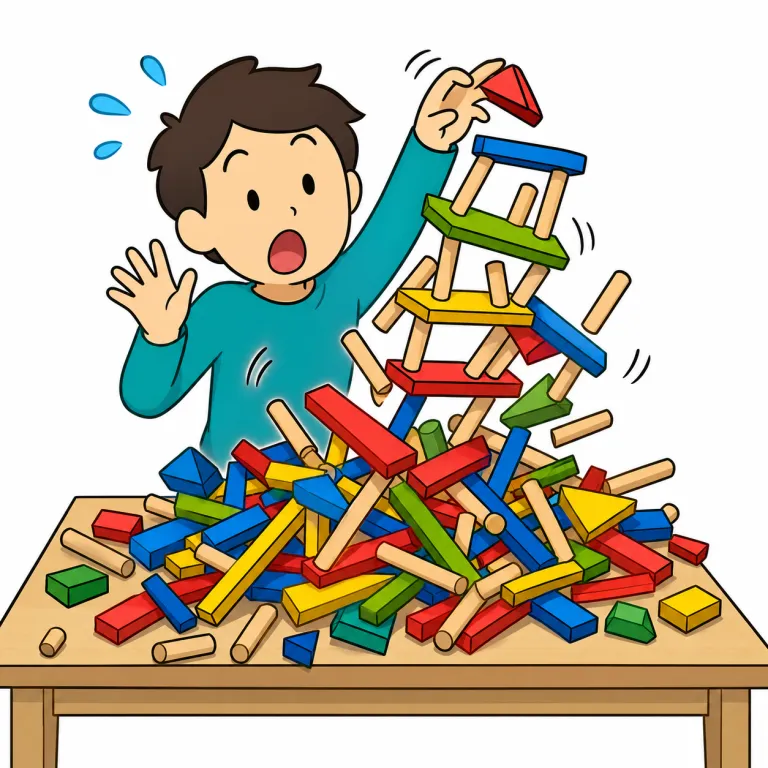
disaster は、多くの被害・損失・混乱を生む非常に悪い出来事を指します。自然現象だけでなく、計画、試合、政策、仕事などが大失敗に終わった場合にも比喩的に使われます。
A disaster is a very bad event that causes serious damage, loss, or confusion. It can refer to things like natural events, accidents, or wars, but it is also often used for plans, events, or efforts that end in a terrible way. In everyday English, people often say something was a complete disaster or a total disaster when the result was much worse than expected.
覚え方のコツ Memory Tip
disaster は bad accident よりも結果の重さを強く表す語として覚えるとよいです。a complete disaster, a total disaster のように、計画や行事が「ひどい結果」になった時にもよく使います。catastrophe はさらに硬く劇的、fiasco は失敗の滑稽さや混乱を含むことがあります。別エントリの「災害」は自然災害の文脈に寄りますが、ここでは出来事全体が大きな失敗・惨事になった意味に集中します。
Remember that disaster is stronger than bad accident because it emphasizes the serious result. It is very common in phrases like a complete disaster or a total disaster when a plan, event, or effort ends very badly. Catastrophe sounds more formal and dramatic, while fiasco often suggests confusion or a slightly ridiculous failure.
例文
The earthquake was a major disaster for the whole region.
その地震は地域全体にとって大惨事だった。
Our school festival turned into a complete disaster because of the heavy rain.
大雨のせいで私たちの学校祭は完全な大惨事になった。
The new policy was a disaster and created more problems than it solved.
その新しい政策は大失敗で、解決するより多くの問題を生んだ。
大失敗
(意味 3)解説 Definition
人の行動や計画、出来事などがひどくまずい結果になったときに使う名詞です。自然災害そのものではなく、日常会話で「完全に失敗だった」「目も当てられない状況だ」という強い否定的評価を表す比喩的な用法です。
A disaster is a situation, plan, event, or action that goes very badly and has a seriously negative result. In everyday speech, it is often used figuratively to mean a complete failure or a terrible mess, not only a natural event like an earthquake or flood. It sounds stronger than a small problem or simple mistake.
覚え方のコツ Memory Tip
disaster は news で固めると覚えやすい語で、natural disaster, climate disaster, economic disaster, a total disaster などの塊で入れると定着しやすい。trouble や accident より被害規模が大きく、個人の失敗にも比喩で使えるが、基本は「深刻で広い被害」の語。catastrophe はさらに硬く dramatic、disastrous は形容詞。small problem には使いにくいので、earthquake, flood, war, policy failure のような取り返しのつかなさと結びつける。
Learn disaster in common word groups, such as natural disaster, climate disaster, economic disaster, and a total disaster. It is stronger than trouble or accident, and it suggests serious damage or a result that feels hard to fix. You can also use it figuratively for a personal failure, but it is too strong for a small problem. Catastrophe is even more formal and dramatic, and disastrous is the adjective form.
例文
The meeting was a complete disaster because nobody had prepared the documents.
誰も資料を準備していなかったので、その会議は完全な大失敗だった。
Her first attempt at baking bread turned into a disaster.
彼女の初めてのパン作りはひどい失敗に終わった。
The new policy was described as an economic disaster by many experts.
その新政策は多くの専門家から経済的な大失敗だと言われた。
disaster の語源・成り立ち Etymology
ラテン語 dis-(離れる)+ astrum(星)から。古代では星の配置が悪いことが不幸の原因と信じられ、「悪い星回り」が「大災害」の意味に発展した。関連語: astronomy(天文学)、asterisk(星印)。星占いと災いが結びついた言葉。
`Disaster` comes from Italian and French forms based on Latin parts: `dis-` and `astrum`, meaning "star." The original idea was of a bad star or unlucky position of the stars, since people once believed the stars could cause human trouble. From that belief, the word came to mean a great misfortune or calamity. Related words include `astronomy` and `asterisk`.
外部辞書で調べる
この単語を英単語クイズで覚えよう