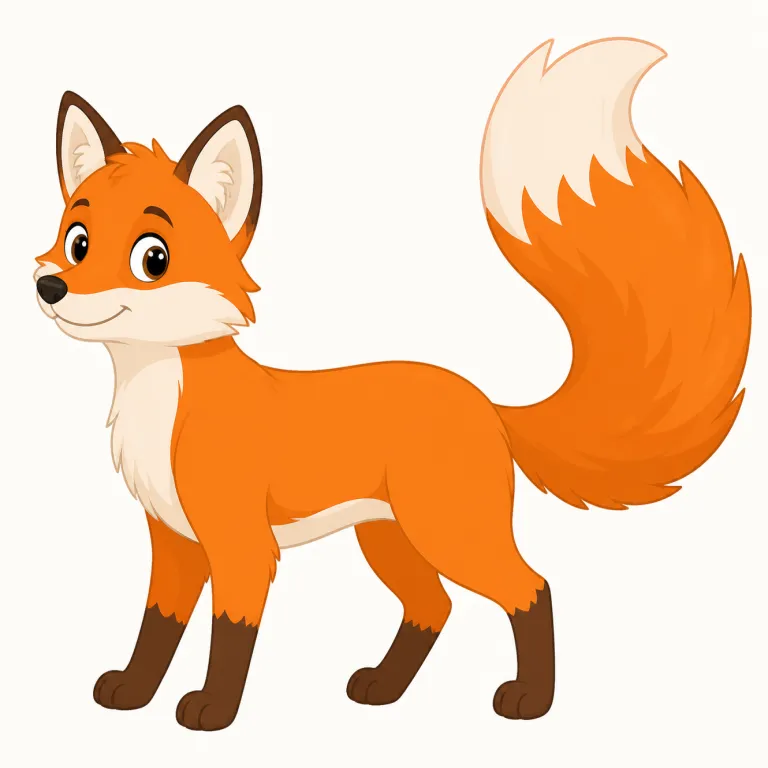
tail
tail は英検準2級・TOEIC 860・TOEFL 80・IELTS 6.5レベルの英単語で、「尻尾、後部、末尾」という意味があります。発音記号は /teɪl/ です。
意味一覧 (2件)
尻尾
解説 Definition
動物の体の後ろ側から伸びる細長い部分で、バランスをとったり感情を示したりするために使われることが多いです。毛や布のこぼれる部分、機械部品などで後ろにのびた部分を指すこともあります。彗星の尾のように、光や粒子が後方に伸びて見えるものも「tail」と呼ばれます。
A tail is the long part at the back of an animal's body. Many animals use their tail for balance, movement, or communication. The word can also be used for the back end of some objects, but its basic meaning is the animal body part.
覚え方のコツ Memory Tip
tail はまず「後ろに細くのびた部分」という核イメージで覚えると広がります。犬や猫の tail だけでなく、comet tail(彗星の尾)、coat tails(上着の後ろのすそ)のように、本体の後端から続くもの全般に使えます。head が先頭なら tail は末尾、という対比も強い記憶フックです。tail end なら「いちばん後ろ」、tailless なら「尾のない」。形だけでなく『後ろ側・末端』の感覚でまとめると応用が利きます。
Remember the core image: a long back part at the end of something. That helps not only with an animal's `tail`, but also with expressions like `tail end`. It is easy to keep in mind if you pair it with `head`: head is the front, tail is the back.
例文
The dog has a tail.
その犬には尻尾がある。
A cat moves its tail.
猫が尻尾を動かす。
This fox has a red tail.
このキツネには赤い尻尾がある。
えいたんごクイズでの正答率
この語をはじめて出題された 31人 のうち 27人 が正解しました(87%)。
えいたんごクイズの回答から集計した独自データです。1人につき最初に出題されたときの1回だけを数えており、復習や2回目以降の回答、「わからない」と時間切れは含みません。 集計時点は 2026年9月19日 です。
後部、末尾
(意味 2)
解説 Definition
tail は動物の尻尾だけでなく、物のいちばん後ろの部分や、列・期間・出来事などの終わりの部分も表す名詞です。乗り物や機械の後部、行列の最後尾、何かが終わりに近づく場面でよく使われます。
The part at the very back of an object or at the end of a line. It can also refer to the final portion of a period or event.
例文
We sat near the tail of the plane.
私たちは飛行機の後部近くに座った。
There were only a few people at the tail of the line.
列の最後尾には数人しかいなかった。
Sales improved at the tail end of the year.
年の終わりごろに売り上げが伸びた。
tail の類義語・関連語
類義語
対義語
派生語
紛らわしい語
tail の語源・成り立ち Etymology
tail は古英語 tægel にさかのぼるゲルマン系の語で、動物の後ろに伸びる「尻尾」そのものを表しました。体の末端に細く続く部分という感覚から、服の燕尾や列の最後尾にも使われます。関連語は tailless, ponytail です。
Tail comes from Old English tægel, a Germanic word for the rear part of an animal. Its earliest sense was simply the part that extends from the back of the body. From that physical image, the word later came to be used for other long end-parts, such as the back of clothing or the last part of a line. Related words include tailless and ponytail.
同じレベルの語彙をもっと
英検準2級の一覧へ →外部辞書で調べる
この英単語をクイズで覚えよう