
fortune
fortune はTOEIC 600レベルの英単語で、「幸運、財産、運命」という意味があります。発音記号は /ˈfɔːrtʃən/ です。
意味一覧 (3件)
幸運
解説 Definition
思いがけず物事が良い方向に進むような、めぐり合わせのよさを表す名詞です。成功したり危険を免れたりした場面で「幸運だった」「幸運に恵まれる」のように使います。努力だけでは説明しきれない、運の後押しがあったという響きを含みます。
Good luck that helps events turn out well, such as achieving success or escaping danger. It suggests that a favorable outcome owes something to chance beyond a person's own efforts.
覚え方のコツ Memory Tip
fortune は fortunate(幸運な)と一緒に覚え、「努力だけでは決まらない、良い巡り合わせ」と押さえると定着しやすいです。by good fortune は「幸運にも」、have the good fortune to do は「幸運にも〜する機会を得る」という定番の形。luck よりやや改まった響きがあり、成功や危険回避をもたらした運を語る場面で使われます。試合で予想外の好機が訪れ勝てた場面を描き、good fortune helped us win と結びつけると、この語義を財産の意味と混同しにくくなります。
Connect fortune with fortunate and picture an unexpected opportunity that helps you succeed. Learn "by good fortune" and "have the good fortune to do something" as slightly formal ways to describe being lucky.
例文
By good fortune, she won the game.
幸運にも、彼女は試合に勝った。
By good fortune, our class won the game.
幸運にも、私たちのクラスは試合に勝った。
Good fortune helped my team win today.
今日は幸運に恵まれ、私のチームが勝った。
財産
(意味 2)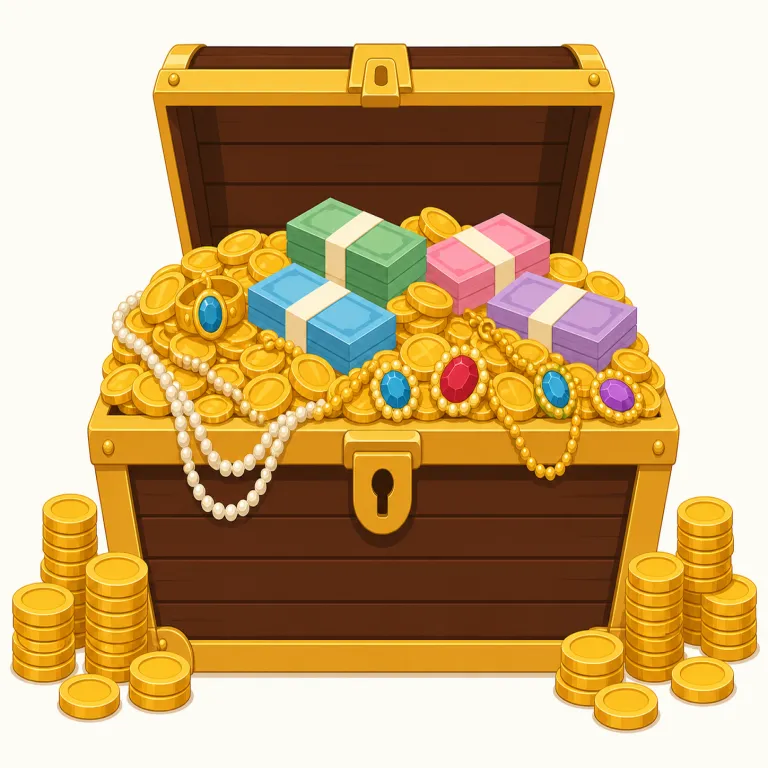
解説 Definition
大きな金額の財産や資産を指す名詞です。個人や家族が所有する富を表しますが、ふつうは単なる持ち物全体ではなく「ひと財産」と言えるほどまとまった大きな財産を表します。
A fortune is a very large amount of money or wealth. It is often used when talking about someone who is rich or something that costs a lot of money. The word can also suggest wealth built over time or passed down in a family.
覚え方のコツ Memory Tip
fortune は fortunate(幸運な)を知っていると覚えやすい語です。まず「運」を中心に置き、そこから『運に恵まれるほどの大きな財産』へ意味が広がると整理すると残りやすいです。会話では make a fortune(ひと財産築く)、spend a fortune(大金を使う)が頻出。wealth が富一般なのに対し、fortune は『かなり大きな財産・ひと財産』という響きが強め。misfortune は「不運」であって「財産」ではない点も対比で押さえると混同しにくいです。
Link it with `fortunate`. Both words share the idea of luck, and a `fortune` often suggests a very large amount, as if luck made someone rich. Common phrases like `make a fortune` and `spend a fortune` help fix it in memory.
例文
Her grandfather left her a fortune.
祖父は彼女に財産を残しました。
His family has a large fortune.
彼の家族には大きな財産があります。
He lost his fortune in one day.
彼は一日で財産を失いました。
運命
(意味 3)
解説 Definition
人や物事の行く末が、避けがたく定まっているように感じられる流れを表す名詞です。恋愛や人生、国家の行方など大きな題材で使われ、やや文学的な響きがあります。「運命を受け入れる」「運命に逆らう」に近い感覚です。
The course of a person's life or the outcome awaiting them, viewed as shaped by forces beyond their control. In literary contexts, it can describe what seems destined to happen to a person or a country.
覚え方のコツ Memory Tip
fortune は fortunate(幸運な)を知っていると覚えやすい語です。まず「人の行く末を左右する運」を中心に置き、そこから『避けにくく定まった運命』へつなげると残りやすいです。物語では accept one's fortune(運命を受け入れる)、the fortune that awaited him(彼を待つ運命)のように出ます。fate より少し「運の巡り」の響きがあり、make a fortune の「ひと財産」とは別に、人生の流れを指す語義として押さえると混同しにくいです。
Picture a character facing the life that awaits them, with events unfolding beyond their control. Connect "the fortune that awaited him" with that future course of life, remembering that the word retains a sense of chance.
例文
She accepted her fortune and stayed in the village.
彼女は自分の運命を受け入れ、その村に残った。
The king learned his fortune that day.
王はその日、自分の運命を知った。
His fortune led him back home.
運命に導かれ、彼は故郷へ戻った。
fortune の類義語・関連語
fortune の語源・成り立ち Etymology
ラテン語 fortuna(運命・幸運)が語源で、fors(偶然・運)に由来する。運命の女神フォルトゥナの名でもある。「運が良い→富を得る」という連想から「財産」の意味が生まれた。関連語: fortunate(幸運な)、unfortunate(不運な)。
The word comes from Latin fortuna, meaning fate or good luck, derived from fors, meaning chance or luck. Fortuna was also the name of the goddess of fate.
同じレベルの語彙をもっと
TOEIC 600の一覧へ →外部辞書で調べる
この英単語をクイズで覚えよう